
Skip to content
Search

Latest Stories

Submit Guest Post

Biden promises India Covid support in call to Modi

Biden promises India Covid support in call to Modi

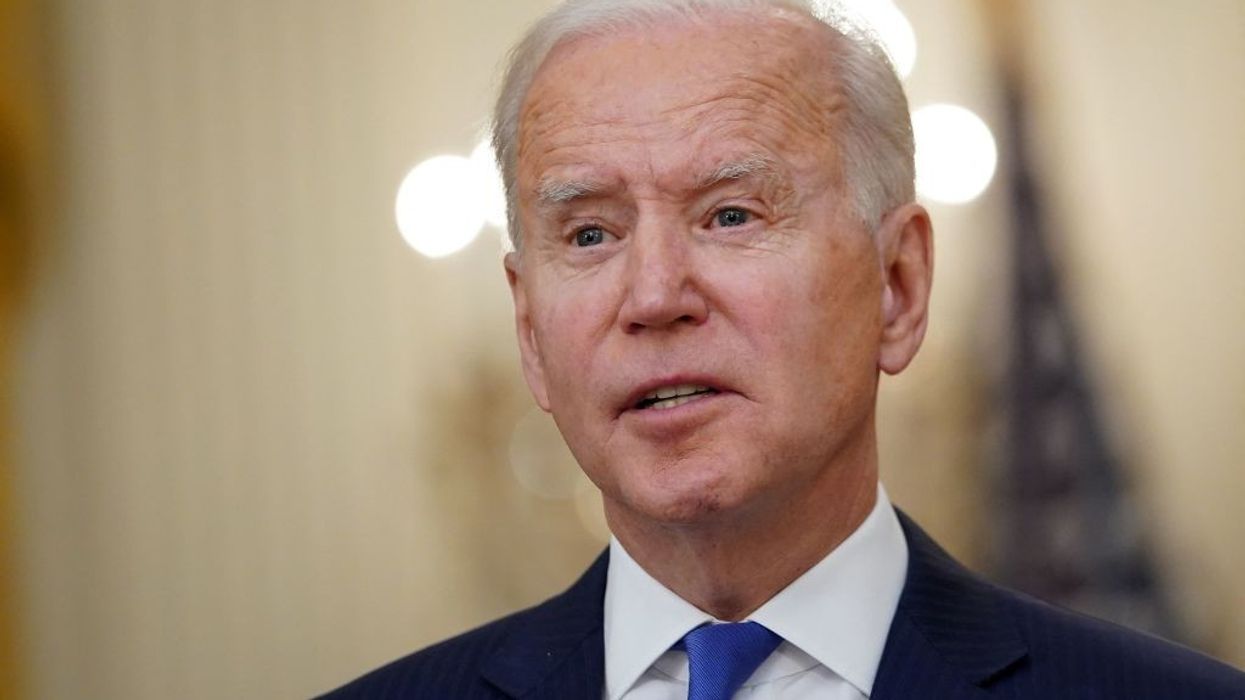
US president Joe Biden promised emergency assistance to Covid-ravaged India in a telephone call on Monday with prime minister Narendra Modi, the two countries said.

Biden "pledged America's steadfast support for the people of India who have been impacted by the recent surge in Covid-19 cases," the White House said.


The United States "is providing a range of emergency assistance, including oxygen-related supplies, vaccine materials and therapeutics," Biden told Modi, according to a statement.

The United States announced emergency aid Sunday after rising criticism in India, an increasingly close partner of the United States, that Washington had a glut of vaccine doses and was not sharing.

Modi, according to an Indian statement, "conveyed his heartfelt appreciation for the offer of assistance."

In one point not touched on by the White House, India said that Modi raised with Biden a call to ease intellectual property requirements on Covid vaccines.

Such a move would "ensure quick and affordable access to vaccines and medicines for developing countries," the Indian statement said.


Add EasternEye As Your Trusted Source
preferred source on google news

More For You

'Mogging' explained: How a toxic manosphere term became mainstream Gen Z slang

Arnold Schwarzenegger's bodybuilding legacy reflects the origins of 'mogging'

Getty Images

'Mogging' explained: How a toxic manosphere term became mainstream Gen Z slang

Highlights

  • 'Mogging' has been named Collins English Dictionary's word of the year after its usage surged over the past year.
  • The slang term originated in online bodybuilding and incel communities before being adopted by Gen Z as a playful expression.
  • Celebrities including Arnold Schwarzenegger, Hudson Williams and Maya Jama have helped bring the word into mainstream pop culture.

'Mogging', a slang term that originated in online communities associated with toxic masculinity, has become a mainstream expression among Gen Z, with its popularity earning it recognition as Collins English Dictionary's word of the year.

The term is now commonly used online to describe someone outshining or outperforming another person. While it initially carried associations with extreme competitiveness and male dominance, younger internet users have increasingly adopted it in a more playful and ironic way.

Keep ReadingShow less