
- Nearly 31 per cent of firms plan to adopt dynamic pricing tools.
- Digital shelf labels are already rolling out across UK supermarkets.
- Experts warn pricing could become more frequent, personalised and less predictable.
The way supermarket prices are set could be on the brink of a quiet but significant shift. The Bank of England has indicated that dynamic pricing where costs change based on demand is gaining traction across businesses, with grocery retail likely to follow.
According to the Bank’s latest survey, around 31 per cent of firms plan to introduce market-responsive pricing tools, up from 21 per cent currently. That jump suggests pricing is no longer something updated weekly or monthly but something that could move far more frequently.
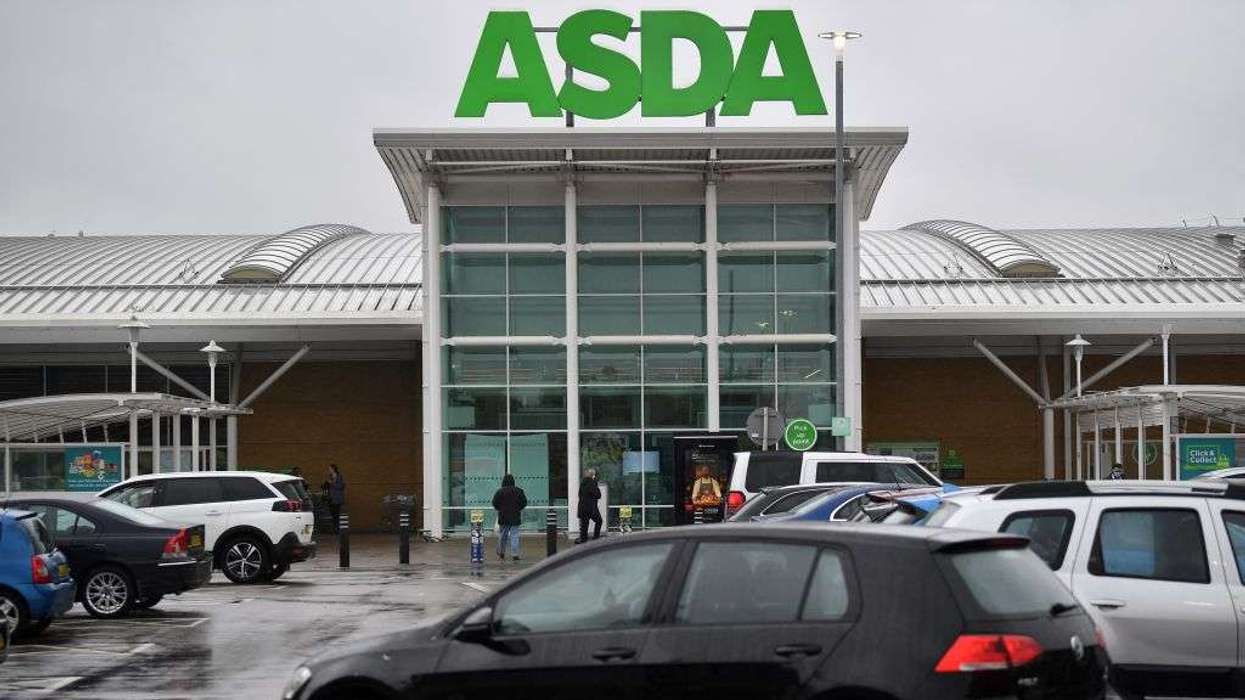
At the same time, supermarkets are laying the groundwork. Digital shelf labels, already widespread across Europe, are being rolled out across major UK chains, making it possible to update prices instantly across thousands of products.
For shoppers, the result may not be immediate but the direction of travel is becoming clearer.
1. Prices could rise during peak hours
Dynamic pricing is built around demand. In simple terms, when more people want something at the same time, prices tend to go up.
This model is already standard in sectors like travel and ride-hailing. Airlines and hotels have used it for years, with the share of hotel prices changing at least monthly rising from around 15 per cent in 2005 to roughly 80 per cent now, according to the Bank.
If applied to supermarkets, it could mean higher prices during busy evening hours or weekend rushes, when demand is naturally stronger.
2. Weather could start influencing your grocery bill
Dynamic pricing systems increasingly rely on real-time data, including weather patterns.
That opens the door to price shifts tied to conditions. For example, demand for ice cream, cold drinks or bottled water tends to spike during heatwaves. Under a flexible pricing system, that demand could feed directly into higher prices.
Economists describe this as demand-based pricing, where businesses respond instantly to changes in consumer behaviour rather than waiting for periodic updates.
3. Prices could vary by location
Not all stores operate under the same conditions. Rent, footfall and demand can vary widely between locations.
Dynamic pricing could allow supermarkets to reflect those differences more directly. A busy city-centre store, for instance, may price items differently from a quieter suburban branch.
The Bank has noted that firms are increasingly using data on “demand, capacity and competitors’ prices” to set pricing strategies.
This raises a broader question, whether national pricing models, where the same product costs the same everywhere, could gradually give way to more localised pricing.
4. Personalised pricing could become more common
Pricing may not just vary by store but by shopper.
Businesses are already experimenting with personalised pricing, using data from loyalty cards, online accounts and purchase history. The Bank said such approaches are becoming more widespread across sectors.
In practice, this could mean:
- targeted discounts for some customers
- different offers based on shopping habits
- or varying prices depending on demand patterns
While companies argue this improves efficiency, it also raises concerns around fairness especially if two shoppers pay different prices for the same product.
5. Prices could change more frequently and quietly
Perhaps the biggest shift is not how much prices change, but how often.
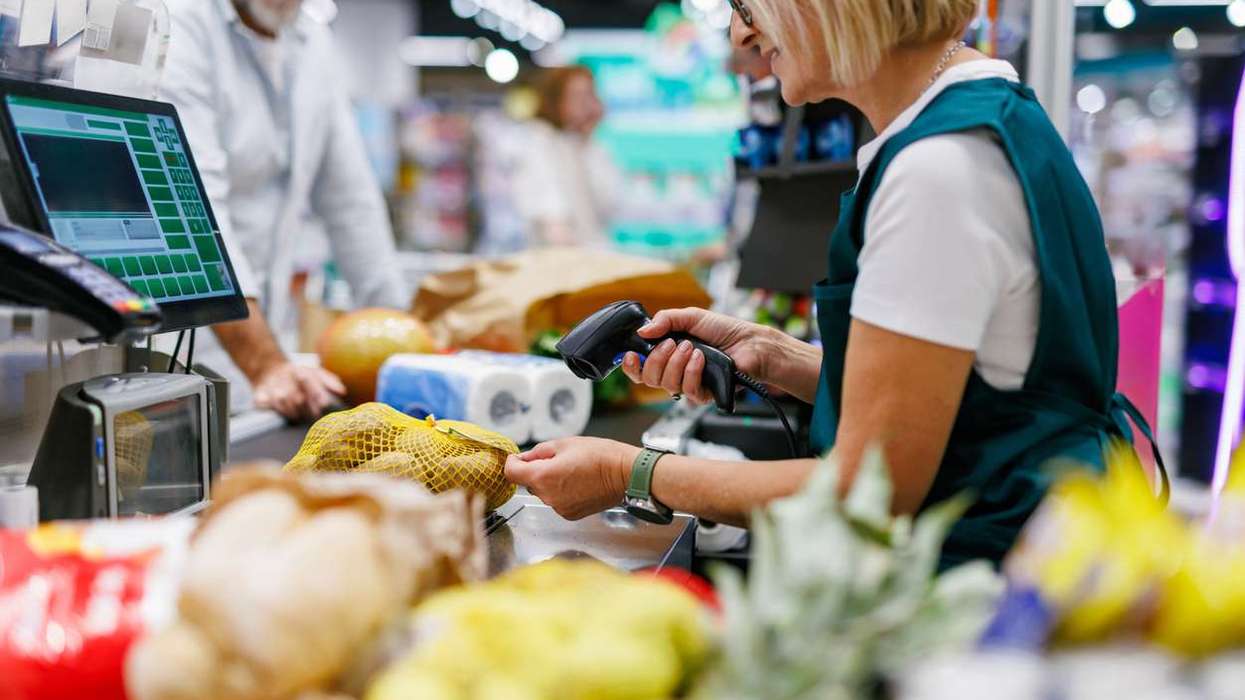
Digital pricing has removed what economists call “menu costs” the effort and expense of updating physical price tags. As a result, prices can now be adjusted instantly and at scale.
Clare Lombardelli, deputy governor at the Bank, reportedly said that digitalisation allows firms to change prices “frequently at negligible cost”.
That could lead to smaller, more frequent price movements changes that shoppers may not always notice in real time.
Research into retail pricing suggests that small price increases often go under the radar, even when they add up over time.
A shift still taking shape
For now, most supermarkets insist they are not using surge-style pricing. But the infrastructure is being built and the data suggests adoption is accelerating.
The Bank has also pointed out that UK consumers tend to view dynamic pricing as less fair compared to other countries, which may slow its rollout.
That tension between efficiency and fairness is likely to shape how quickly supermarkets move.
For shoppers, the bigger change may not come overnight. But if current trends continue, the idea of fixed prices on shelves could gradually give way to something more fluid — and far less predictable.