
- UK-built cars risk losing access to key EU incentives
- Company fleets, 60 per cent of market, could drive shift
- £70 billion UK–EU auto trade faces fresh pressure
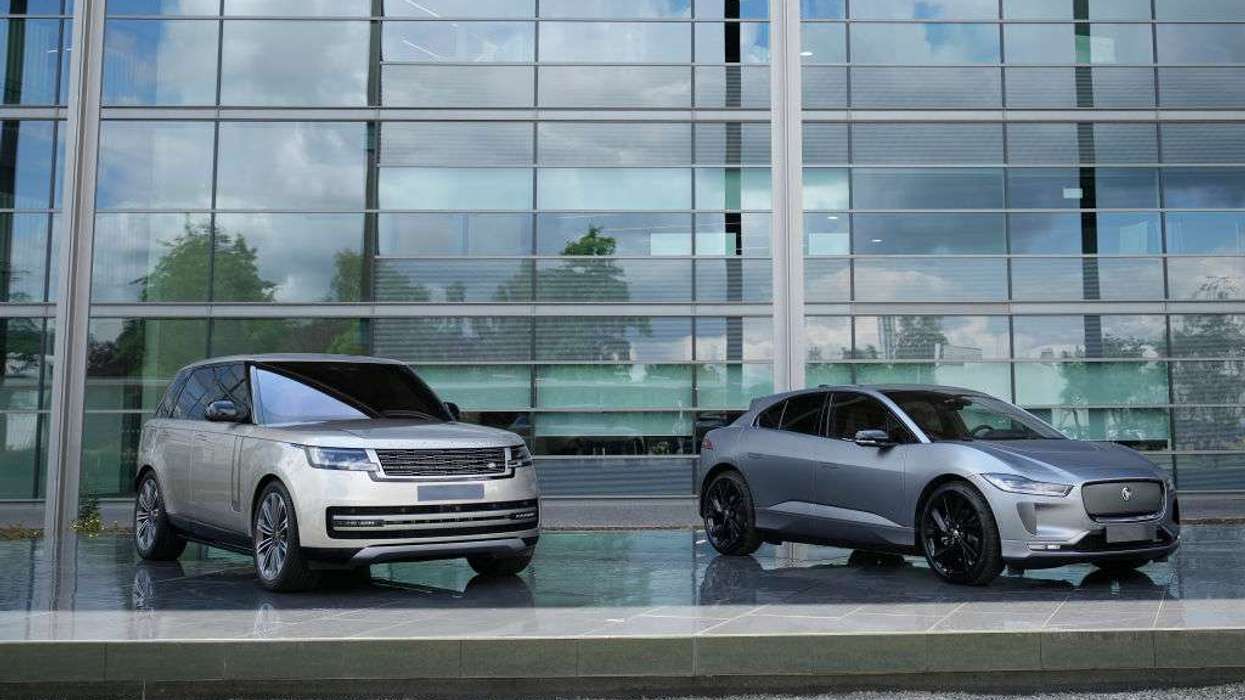
UK-built cars could quietly become less competitive in Europe if new EU proposals move ahead, raising concerns across Britain’s automotive sector about how quickly buyer preferences might shift.
Under the EU’s proposed Industrial Accelerator Act, only vehicles and parts classified as ‘made in Europe’ would qualify for incentives such as state-backed grants, company car tax benefits and additional CO2 credits. As it stands, cars manufactured in the UK would be excluded.
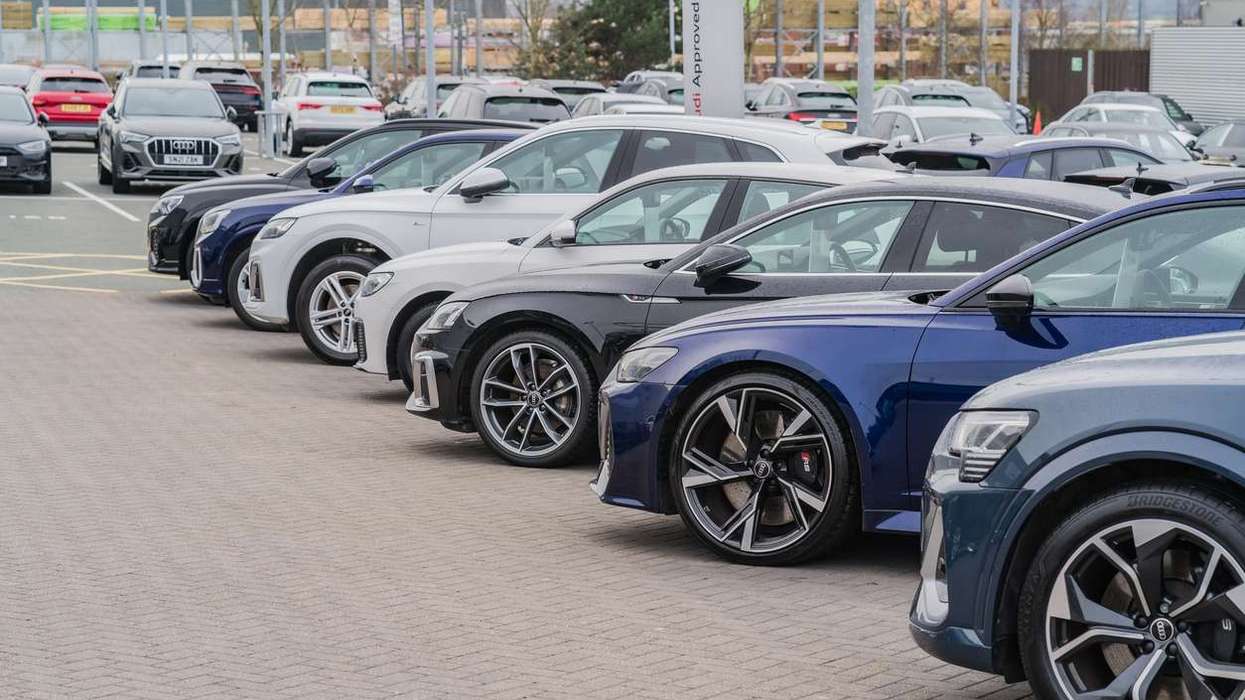
For buyers, especially large corporate fleets, incentives often make the difference. These fleets account for roughly 60 per cent of new car purchases in Europe, and are highly sensitive to tax advantages and running costs. If UK-built vehicles no longer qualify, they could become less appealing almost overnight — not because of quality, but because of cost.
The price gap no one sees at first
The shift may not show up immediately on showroom floors, but it could play out in procurement decisions. Fleet managers, who prioritise total cost of ownership, may lean towards EU-built cars that come with financial benefits attached.
Industry figures warn this could gradually redirect demand away from UK factories. In 2025, around 57 per cent of cars built in Britain were exported to the EU, making it the sector’s most important market.
Mike Hawes, chief executive of the Society of Motor Manufacturers and Traders, reportedly said the proposals risk undermining progress made since Brexit. He warned that the plans could “reverse progress” and damage competitiveness, investment and jobs if implemented in their current form.
An EV future caught in the middle
The timing is particularly sensitive. The UK is in the middle of shifting its manufacturing base towards electric vehicles, with new models such as the Nissan Leaf now entering production in Sunderland and further EV launches expected.
Access to EU incentives could play a crucial role in how those vehicles perform in export markets. Without them, UK-built EVs may struggle to compete with European alternatives that benefit from policy support.
At the same time, the EU’s broader aim is to strengthen its own industry and counter the influx of cheaper models from China. The UK, while not the target, risks being caught in the wider push to prioritise domestic production.
For now, the proposals remain under discussion. But for UK manufacturers, the concern is less about immediate disruption and more about direction. If incentives begin to favour EU production more clearly, the competitive balance could shift — not overnight in appearance, but quickly enough to change buying behaviour.