
Skip to content
Search

Latest Stories

Submit Guest Post

WHO grants emergency use listing to Bharat Biotech's Covaxin

WHO grants emergency use listing to Bharat Biotech's Covaxin

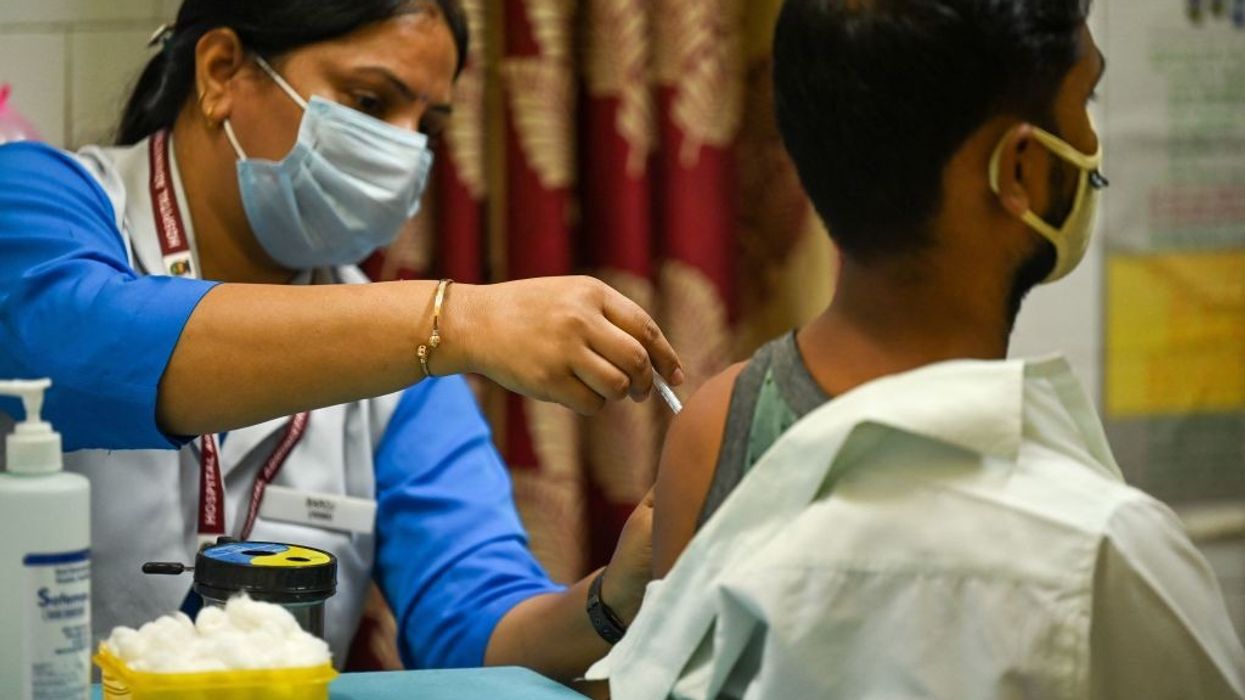
THE WHO on Wednesday (3) said it granted emergency use listing (EUL) to Bharat Biotech's Covid-19 vaccine Covaxin.

This comes after the Technical Advisory Group (TAG), an independent advisory committee of the WHO, recommended EUL status for Covaxin.


"WHO has granted emergency use listing (EUL) to #COVAXIN (developed by Bharat Biotech), adding to a growing portfolio of vaccines validated by WHO for the prevention of COVID-19," the global health body said in a tweet.

Dr Poonam Khetarpal Singh, regional director of WHO south East Asia, in a tweet, said, "Congratulations India for Emergency Use Listing of its indigenously produced COVID-19 vaccine Covaxin."

On October 26, the TAG had sought "additional clarifications" from the company for Covaxin to conduct a final "risk-benefit assessment" for emergency use listing of the vaccine.

The TAG-EUL is an independent advisory group that provides recommendations to WHO on whether a Covid-19 vaccine can be listed for emergency use under the EUL procedure.

Covaxin has demonstrated 77.8 per cent effectiveness against symptomatic Covid-19 and 65.2 per cent protection against the new Delta variant.

In June, the company said it concluded the final analysis of Covaxin efficacy from Phase 3 trials.

Bharat Biotech's Covaxin and AstraZeneca and Oxford University's Covishield are the two widely used vaccines in India.

(PTI)

Add EasternEye As Your Trusted Source
preferred source on google news

More For You

England pupil mobile phone policy

England is preparing tougher rules to prevent pupils from accessing mobile phones during the school day, with schools facing questions over enforcement and funding

iStock

England pupil mobile phone policy: Will schools have the resources to enforce it?

  • Schools will have to go beyond policies that allow pupils to keep switched-off phones in their bags.
  • Head teachers' unions warn that secure storage systems could create significant costs.
  • Scotland, Wales and Northern Ireland are taking different approaches to restricting phones in schools.

Schools in England are preparing for a stricter approach to mobile phones, with pupils expected to be unable to access their devices at any point during the school day from September 2027. But while ministers want to move beyond policies that allow phones to remain switched off in school bags, head teachers are questioning how they will pay for the change.

The government is strengthening its statutory guidance to ensure schools adopt measures that keep phones physically out of pupils' reach, rather than simply requiring them to remain unseen and unheard.

Keep ReadingShow less