
- Returning expats could see a sharp fall in take-home income under UK tax rates of up to 45 per cent.
- Higher living costs and VAT in the UK may further reduce disposable income.
- Capital gains and inheritance tax could significantly affect long-term wealth on return.
For many British expats living in the Gulf, the recent escalation of tensions linked to the Iran conflict is forcing a difficult decision. What initially appears to be a question of safety is gradually turning into a more complex financial calculation.
The Gulf has long been a preferred destination for British professionals. Between 130,000 and 240,000 British nationals are estimated to be living in Dubai and Abu Dhabi, with another 20,000 to 22,000 in Qatar and up to 8,000 in Kuwait. The appeal has been consistent. High salaries, lower costs in certain areas, and most importantly, a tax-free income structure.
That advantage is now being weighed against growing uncertainty. Since late February, when the conflict involving Iran intensified, there have been reports of drone strikes targeting key locations and disruptions across major transport routes. Flights have been cancelled, airports have temporarily shut down, and in some cases people have taken indirect routes through neighbouring countries to secure a way out.
For those returning to the UK, the immediate relief of leaving a conflict zone may be followed by a very different kind of shock.
The income reality changes quickly
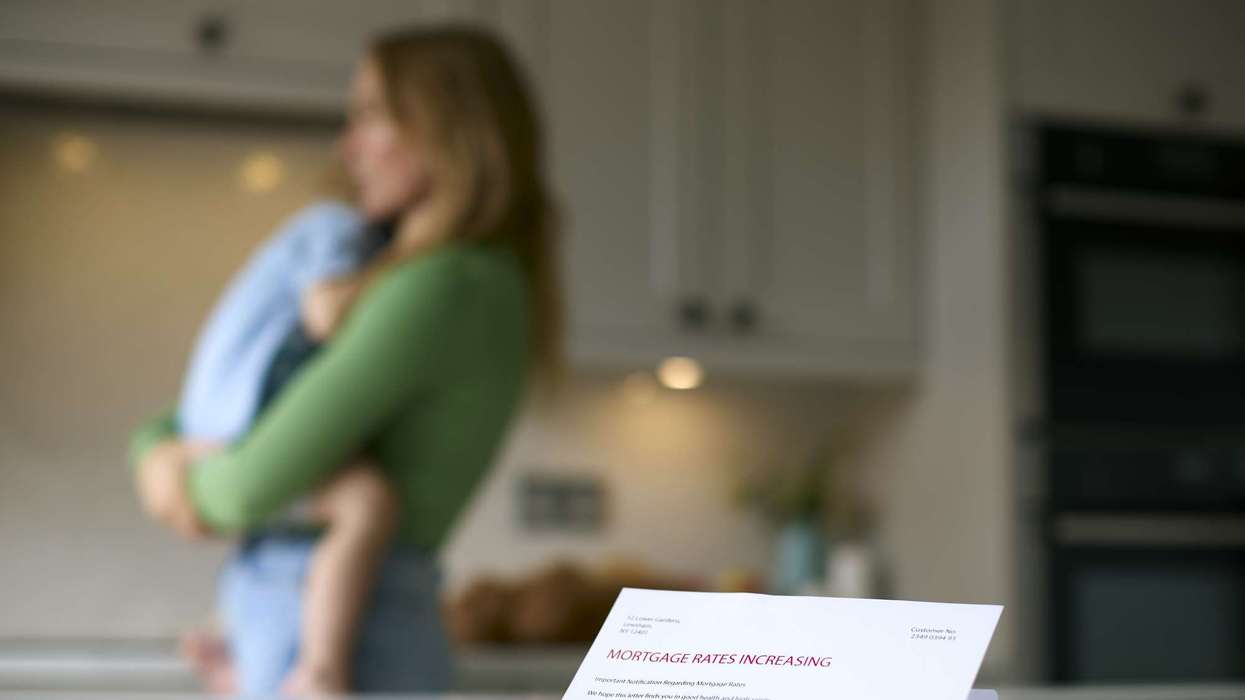
The most visible shift begins with income. In the UAE, earnings are not subject to personal income tax. In the UK, income is taxed in bands ranging from 20 to 45 per cent, alongside national insurance contributions.
In practical terms, this changes how much money an individual actually takes home. Someone earning £100,000 in the UK may see their net income reduced to nearly half once taxes and contributions are accounted for. In the Gulf, that same salary would have been largely retained.
This difference is not just numerical. It affects how people spend, save and plan. What may have been a comfortable financial position in Dubai or Abu Dhabi can feel considerably tighter in the UK, even at the same salary level.
The pressure increases when cost of living is taken into account. London is estimated to be around 20 per cent more expensive than Dubai for a comparable lifestyle. Everyday expenses, from housing to transport and services, tend to be higher. VAT also stands at 20 per cent in the UK, compared to 5 per cent in the UAE.
The combined effect is immediate. Income falls while expenses rise, creating a noticeable shift in disposable income.
The less visible impact on wealth
Beyond salary and daily expenses, the more complicated issue lies in taxation on assets and financial decisions.
In the Gulf, there is no capital gains tax and no inheritance tax. This has allowed many expats to structure their finances in a way that supports long-term wealth accumulation. Returning to the UK changes that framework.
Capital gains tax in the UK can reach up to 28 per cent, depending on the asset. Inheritance tax can go up to 40 per cent above the threshold. These are not abstract figures. They directly affect proceeds from selling property, business interests or investments, as well as how wealth is passed on.
There is also a more immediate concern linked to timing. According to accountancy firm Price Bailey, individuals who return to the UK within five years of leaving may trigger temporary non-residency rules. This means that assets sold while living abroad could still be taxed once the individual becomes UK tax resident again.
Nikita Cooper, director at Price Bailey, reportedly said that gains on UK businesses or second homes sold while living in Dubai could be taxed at rates of up to 24 per cent if the individual returns within that period. For some, this could result in tax liabilities running into tens or even hundreds of thousands of pounds.
This is where the term “hidden tax cost” begins to take shape. The financial impact is not always immediate or obvious, but it can be substantial.
A narrow window for flexibility
There are provisions that may offer limited relief. HMRC allows up to 60 days spent in the UK to be disregarded under “exceptional circumstances”, which can include war or civil unrest.
However, advisers suggest that these rules are not easy to apply in practice. David Little, partner at Evelyn Partners, reportedly described the situation as a legal grey area for those leaving due to conflict. The criteria for what qualifies as exceptional circumstances can be strict, and documentation may be required.
Tim Stovold, head of tax at Moore Kingston Smith, reportedly noted that many individuals who divide their time between the UK and Dubai may not have anticipated such a situation. This increases the risk of exceeding the number of days allowed in the UK and unintentionally becoming tax resident.
Once that threshold is crossed, the scope of taxation expands. HMRC may assess not only UK income but also worldwide earnings and global assets.
A spokesperson for HMRC stated that the rules are designed to ensure that individuals living in the UK pay tax in the UK, while also recognising exceptional circumstances where applicable.
For many expats, the decision now sits between two forms of uncertainty. On one side is the immediate concern of safety in a region facing geopolitical tension. On the other is a financial system that can significantly alter income, expenses and long-term wealth.
The shift from a tax-free environment to one of the highest tax regimes in the developed world is not just a policy difference. It is a change that can reshape financial outcomes for years.
As the situation in the Gulf continues to evolve, returning to the UK may offer stability in one sense, but it introduces a different set of challenges that are less visible at first glance.