
SWITZERLAND is poised to test one of the European Union’s main policies and unilaterally curb immigration flows by giving locals first crack at job vacancies, betting that the EU won’t retaliate while it grapples with its own migration woes.
But Brussels is unlikely to sit quietly fearing that showing flexibility on the free movement of people - the principle underpinning Swiss access to the single market - could encourage Britain as it negotiates its EU divorce.
The parliament in Bern is set to embrace domestic hiring preferences as the way to implement a 2014 binding Swiss referendum demanding quotas for EU immigration to a country where a quarter of the population is already foreign.
The far-right Swiss People’s Party charges that politicians are ignoring voters’ demand for quotas, but the political consensus is to preserve at nearly all costs bilateral treaties that enhance Swiss exports to the single market.
This still puts Bern on a collision course with Brussels.
A senior EU diplomat in Brussels suggested the bloc was not going to budge on Switzerland now.
“We cannot agree to restrict the free flow of people, especially in some permanent manner. Had they asked for some temporary thing, for a year or two, maybe. But not like that,” the diplomat said.
“No matter what someone might have wanted to do before, Brexit has pretty much tied our hands,” the diplomat said referring to Britain’s vote to leave.
Swiss politicians say the 2014 call for quotas must be seen in the context of the six times voters have backed the bilateral accords. They increasingly suggest they are adopting curbs that the EU itself will also embrace in the post-Brexit era.
“I think the European Union will change,” said Petra Goessi, leader of the pro-business Free Democrats party (FDP) that has helped shape the Swiss approach.
“I am convinced that with Brexit - France is in a dilemma, Italy too - possible solutions will emerge that we don’t know yet today,” she told a panel discussion on migration this week.
Britain would generally like to remain in the EU’s single market, but the vote to leave was in part a reaction to high immigration.
German Chancellor Angela Merkel has signalled a readiness to discuss the parameters of the free movement of people in the EU, suggesting there may be some room for manoeuvre.
But that could be years off. The Swiss parliament need to act by February, although Swiss voters may well be asked again to choose between close ties with its main trading partner and immigration curbs, the government has said.
Tobias Straumann, an economic historian at the universities of Zurich and Basel, said the current pace of immigration was politically untenable, meaning Switzerland will likely have to adopt tougher measures in a year or two because the domestic hiring preference scheme will barely put a dent in immigration.
“We are talking about absolute record (immigration) numbers seen nowhere else in Europe other than Luxembourg,” he said.
“Britain had half of this and had domestic political problems. Germany had around 0.5 per cent EU immigration and this led to the first tightening of access to social benefits. There is no choice politically.”
Nearly 1.4 million EU citizens live in Switzerland and another 365,000 commute. The Swiss think that gives them leverage with neighbours Germany, France and Italy whose leaders may not want to have to explain to voters - especially those in border regions with strong populist party support - why they can no longer work in high-wage Swiss jobs.





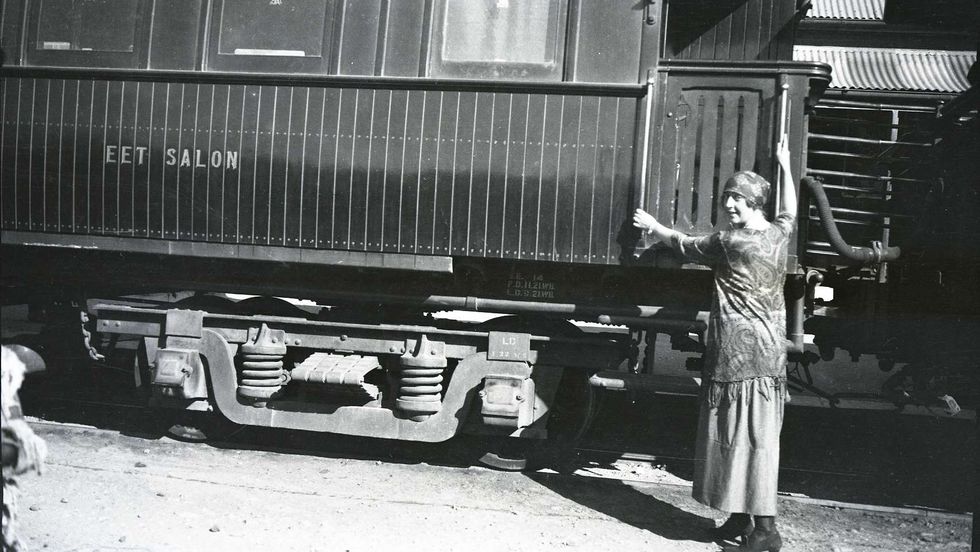 Agatha Christie boarding the EET Salon at lunchtime on the train from Bulawayo to the Cape. In 1922 Agatha Christie set sail on a 10-month voyage around the world. Her husband Archie had been invited to join a trade mission to promote the British Empire Exhibition and Agatha was determined to go with him The Christie Archive Trust
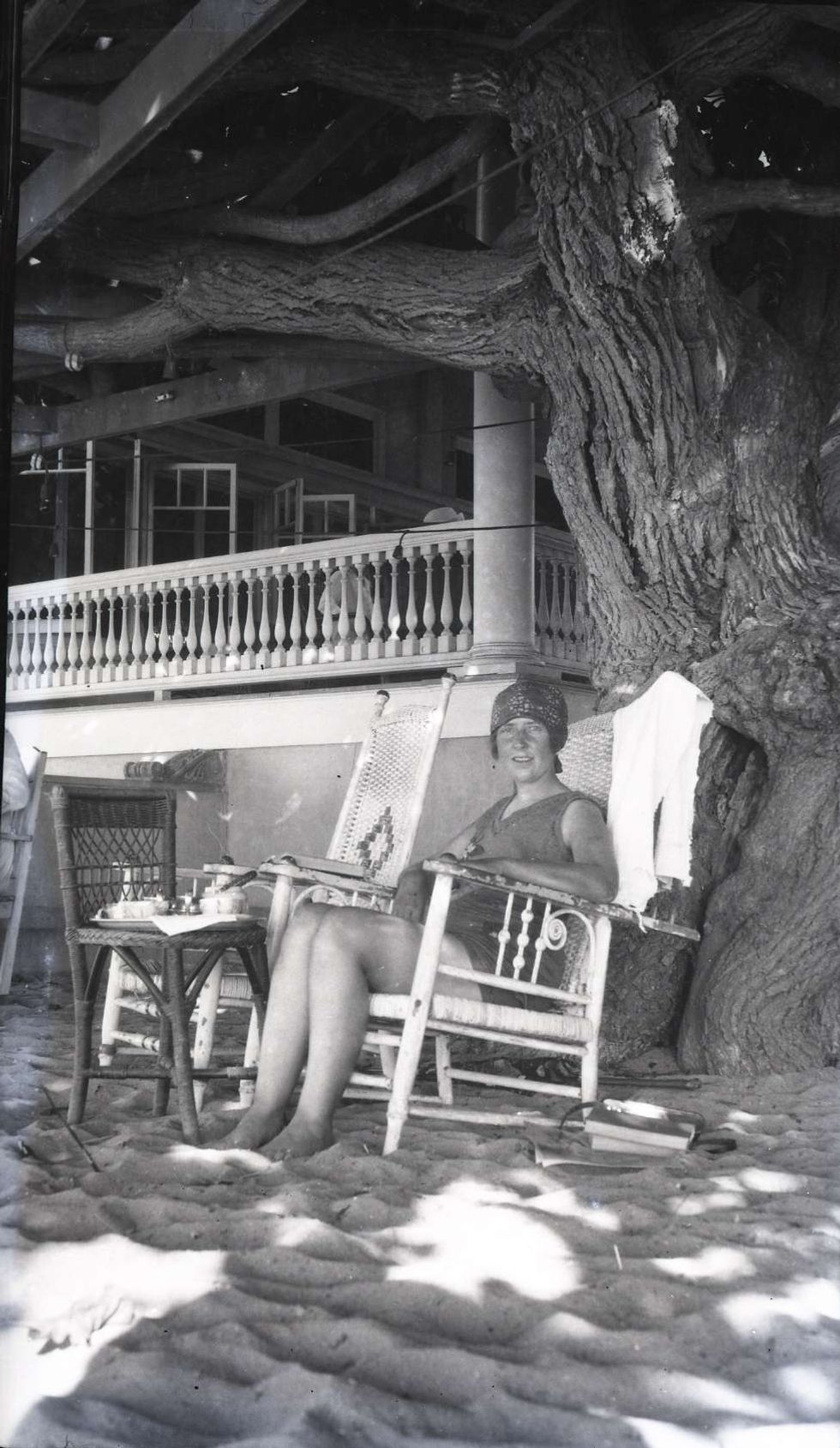 Agatha Christie under a tree on Honolulu beach after surfing, 1922. Agatha and her husband Archie were permitted to take a short holiday away from the 1922 trade mission and chose Honolulu where they learnt how to surf on longboards. Here Agatha purchased a surf suit in the local style, better suited to the demands of surfing than her swim attire for bathing in Torquay. The Christie Archive Trust
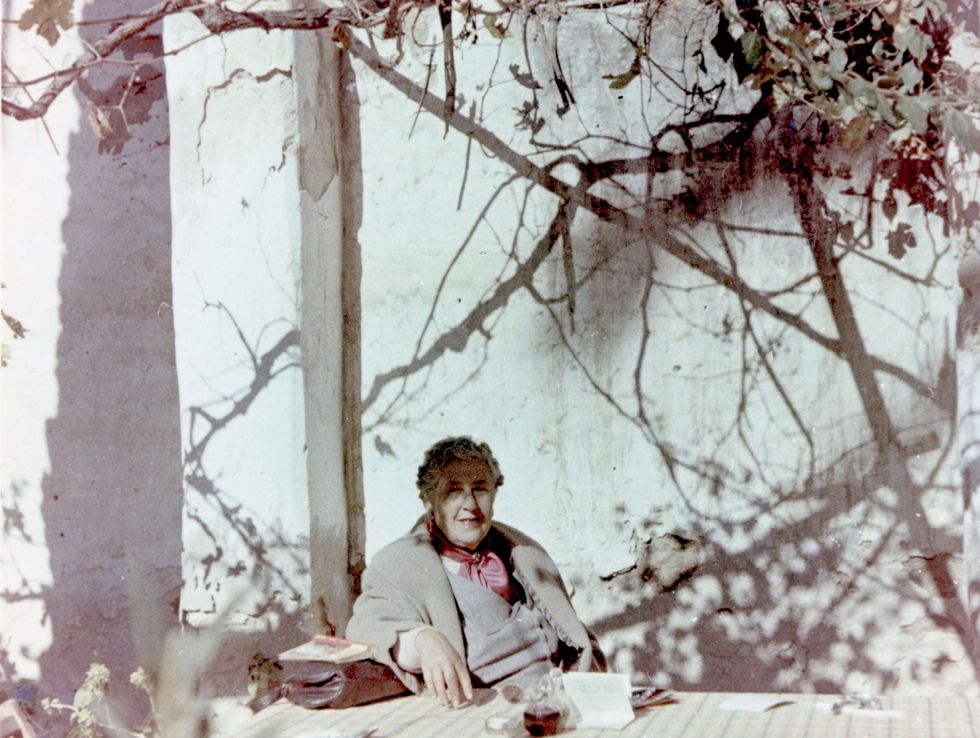 Agatha Christie relaxing during a sightseeing tour, Tajoura, Libya, 1955. Agatha and her second husband, archaeologist Max Mallowan had invited Agatha's daughter Rosalind and grandson Mathew to join them on a tour of the ancient sites of Leptis Magna and Sabratah during December 1955. The Christie Archive Trust
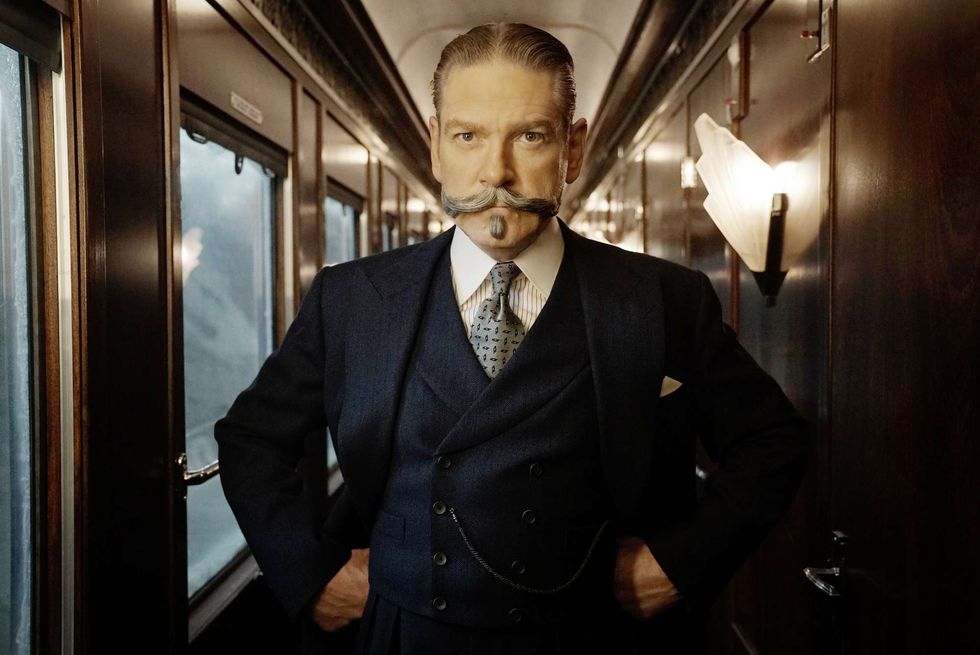 Kenneth Branagh as Hercule Poirot in Murder on the Orient Express, 201720th Century Studios
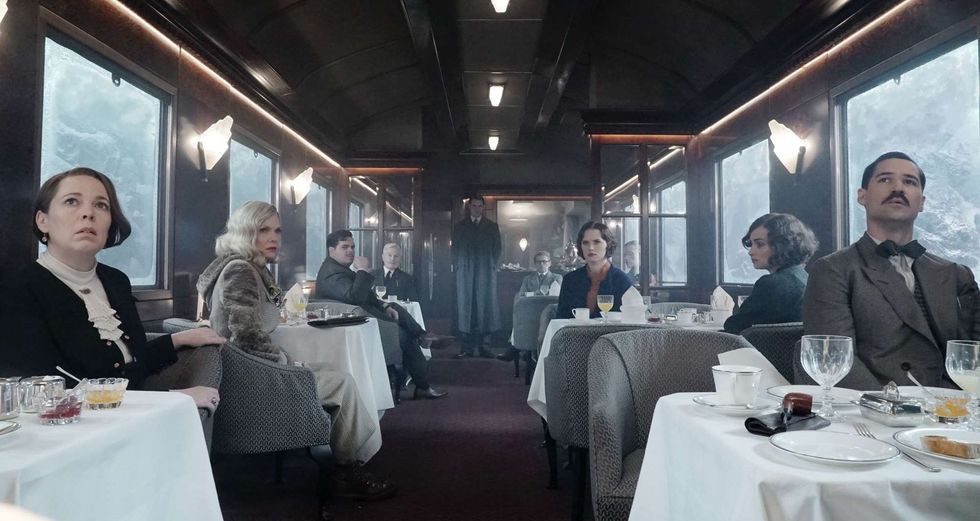 Still from Murder on the Orient Express, 201720th Century Studios
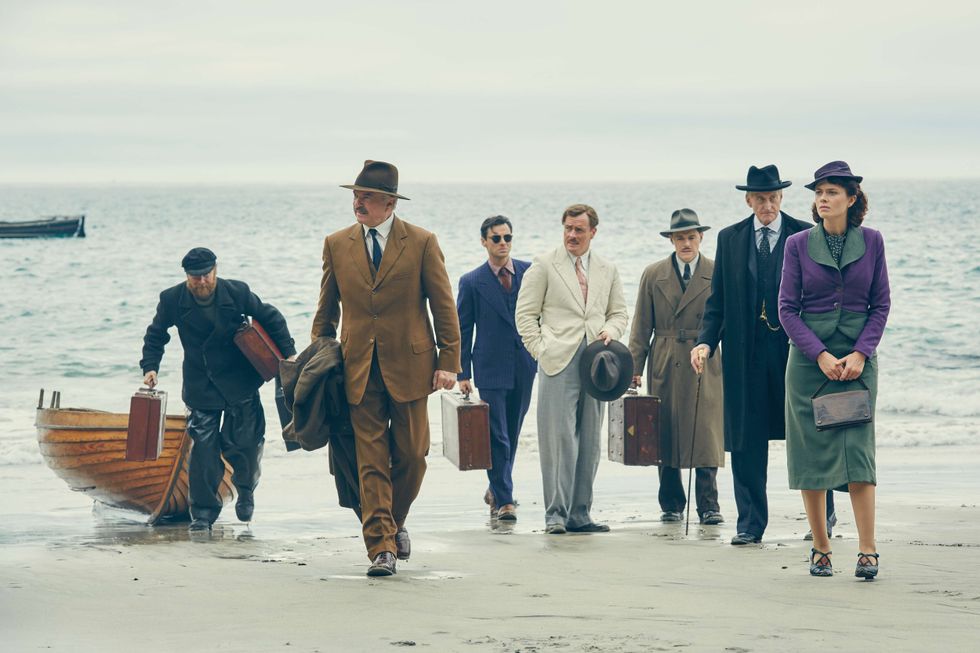 Still from And Then There Were None, 2015, BBC Agatha Christie Limited
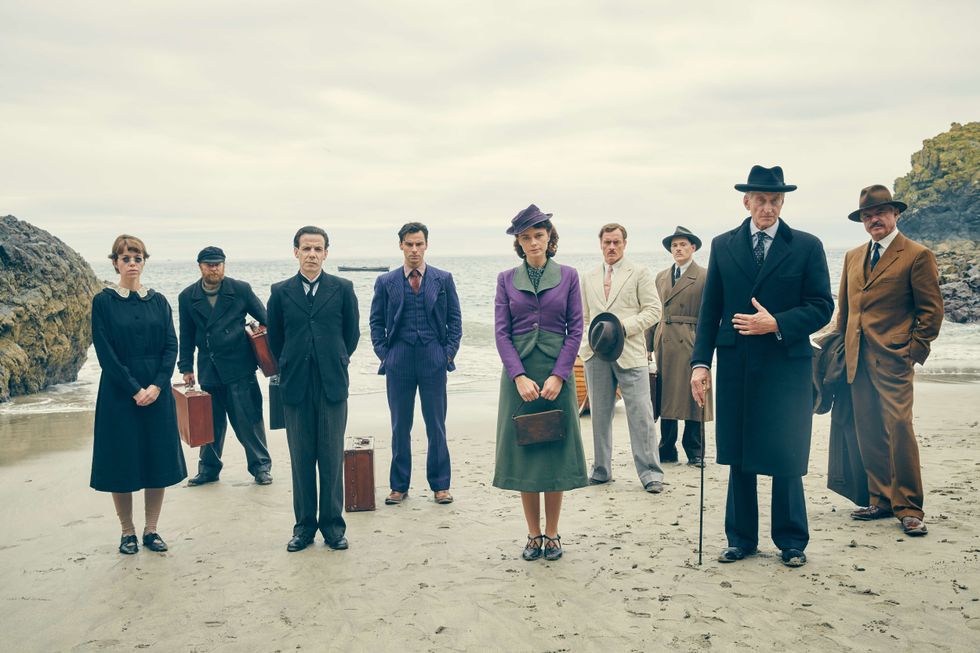 Still from And Then There Were None, 2015, BBCAgatha Christie Limited
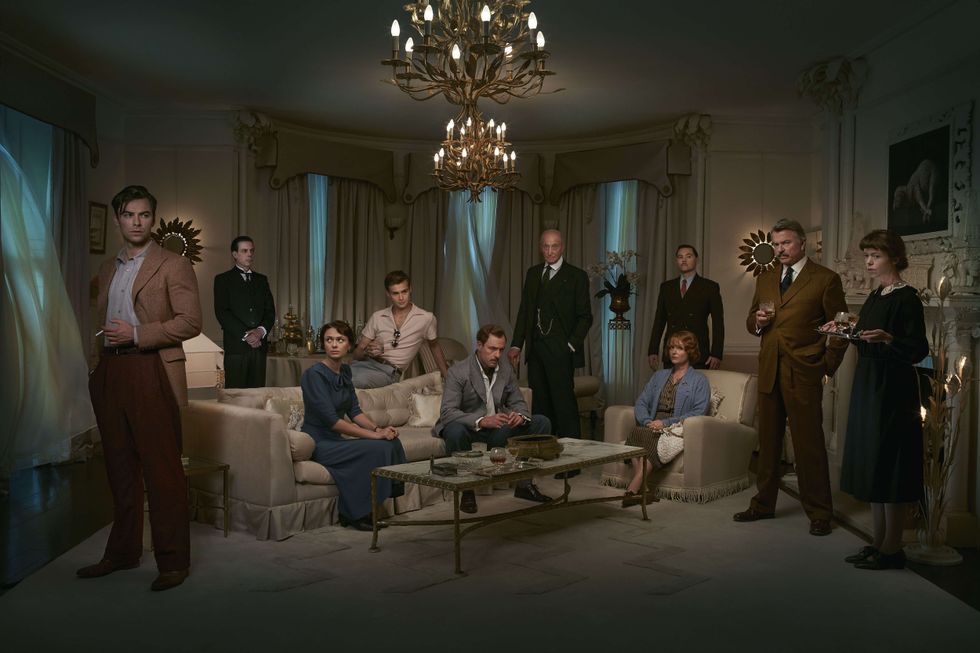 Still from And Then There Were None, 2015, BBCAgatha Christie Limited
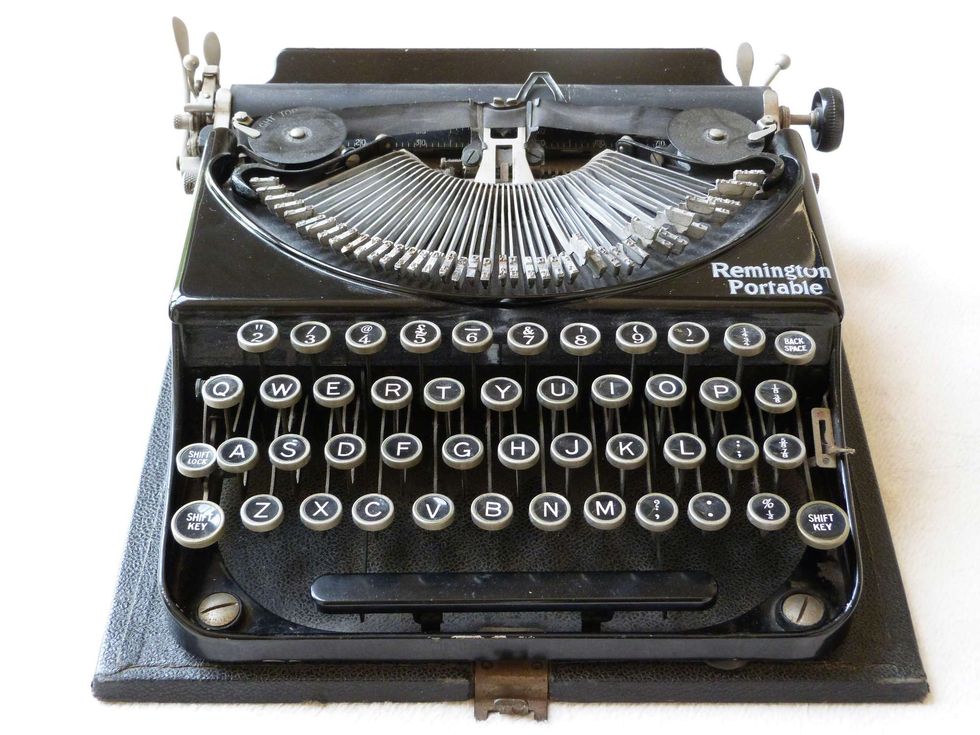 Agatha Christie’s Remington typewriter from 1937 The Christie Archive Trust
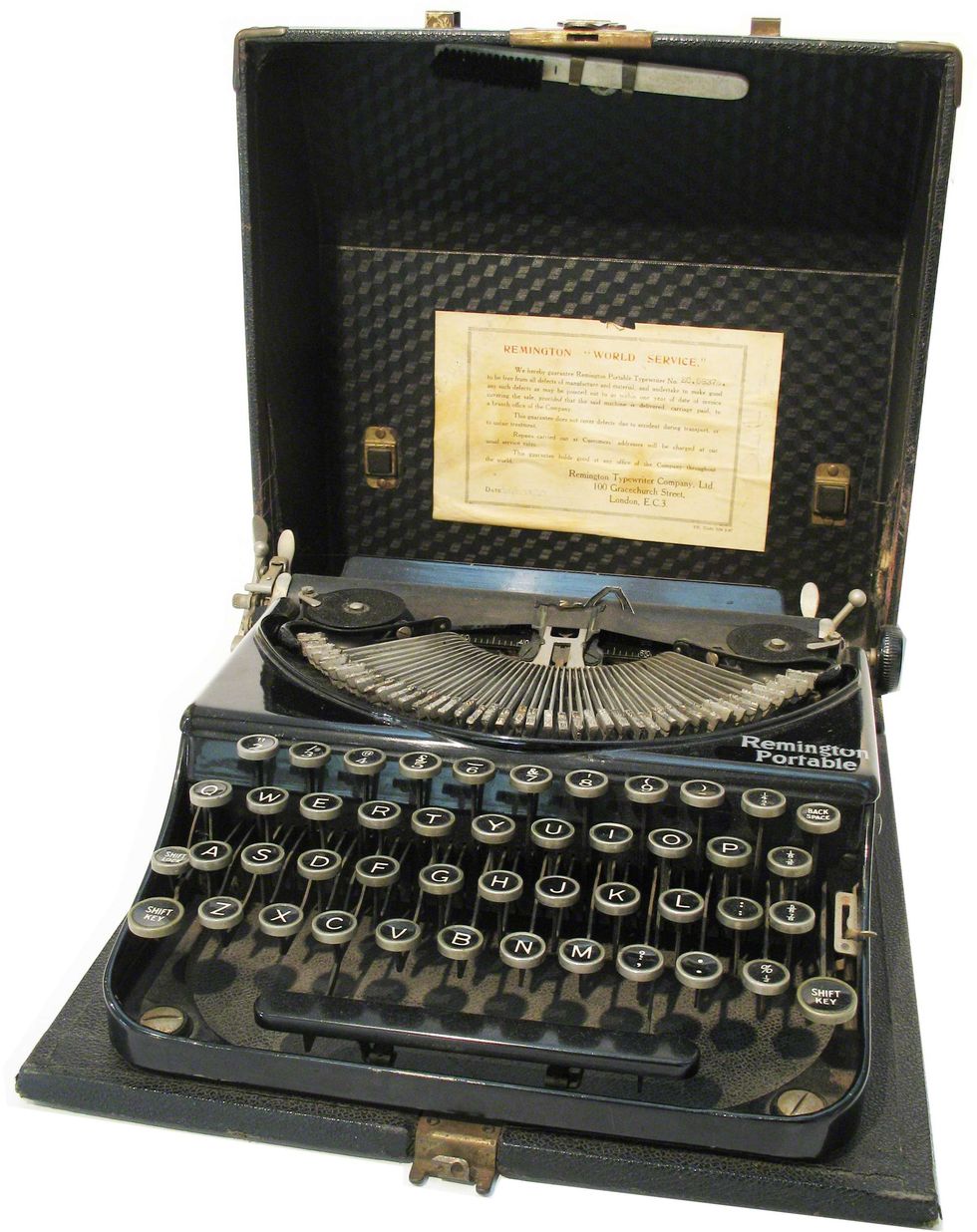 Agatha Christie’s Remington typewriter from 1937The Christie Archive Trust
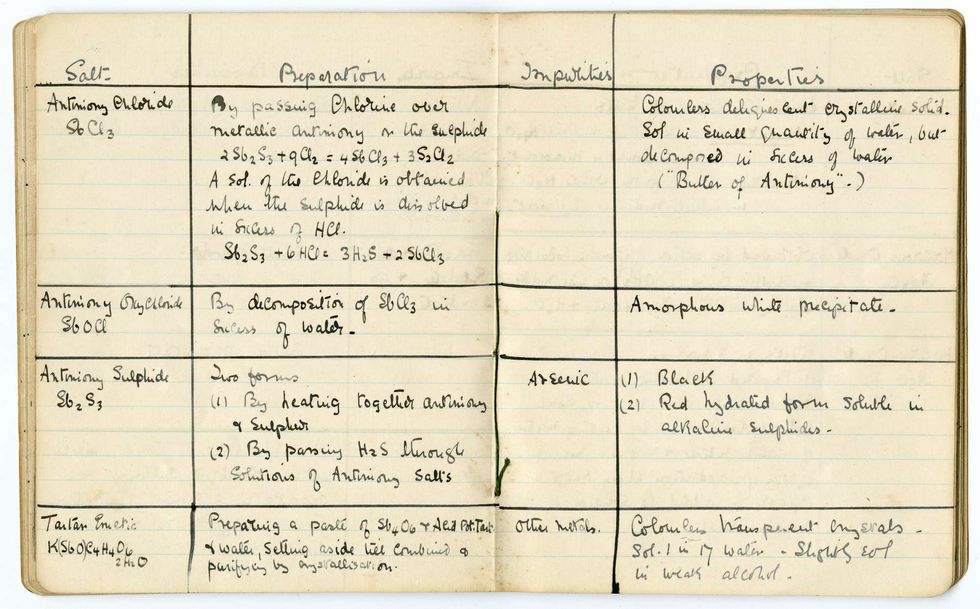 Agatha Christie’s study notes for her pharmaceutical exam taken in 1917The Christie Archive Trust
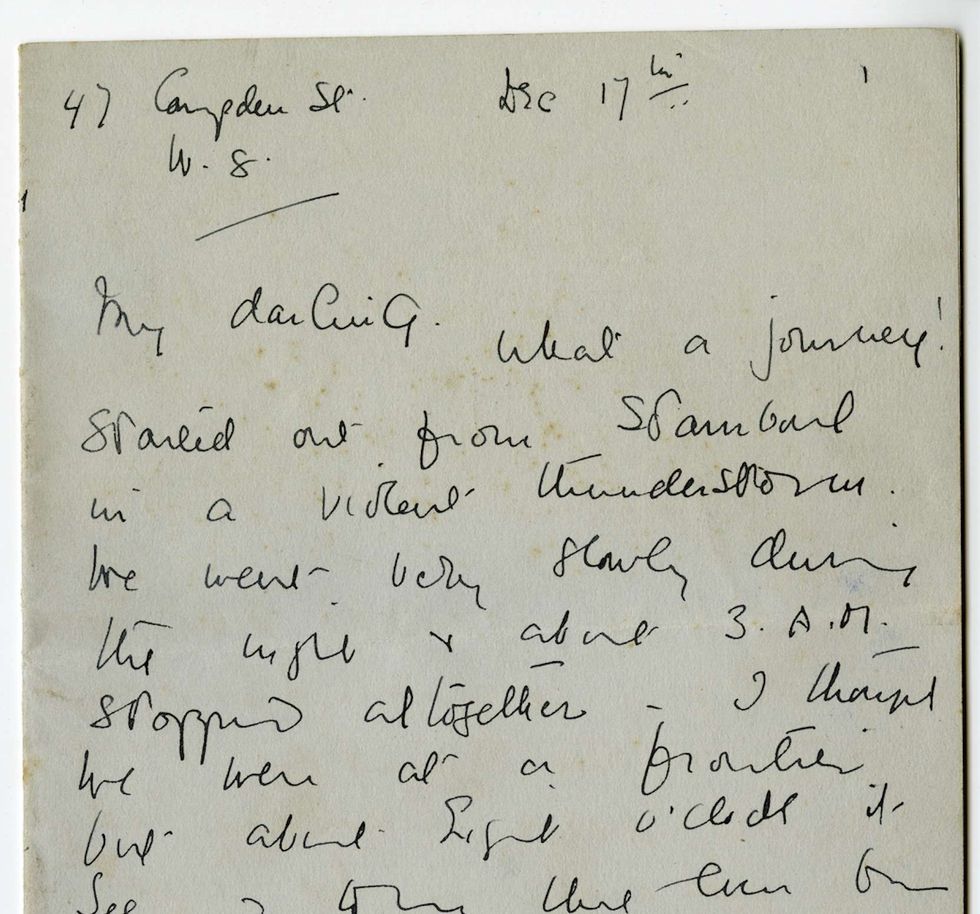 Letter from Agatha Christie to her second husband Max Mallowan, in December 1930. Agatha writes to Max describing her return home from their honeymoon, on the Orient Express. Documenting how the train had been halted by floods and her fellow travellers' reactions, this event would inspire her to write Murder on the Orient Express a few years later.The Christie Archive Trust
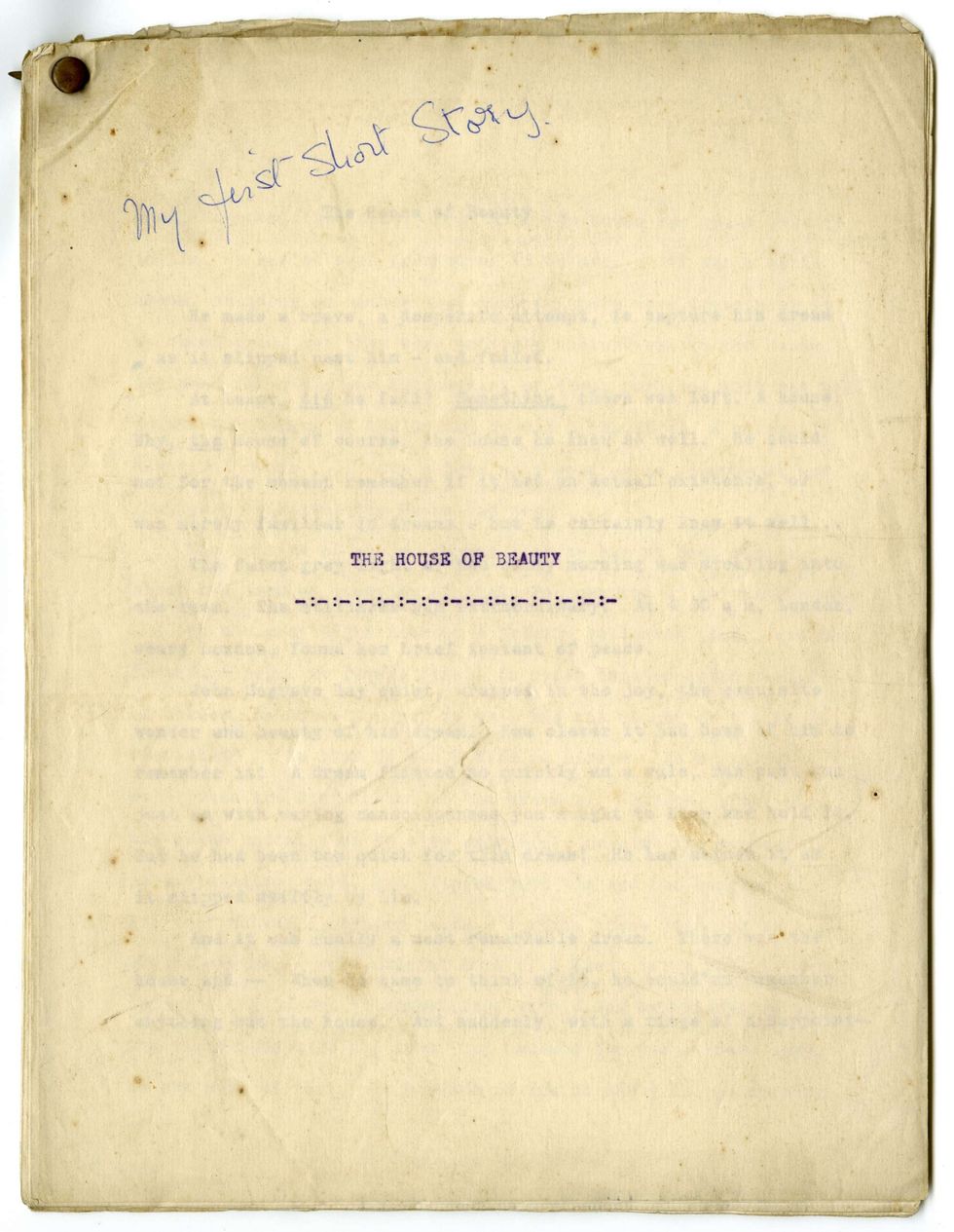 Cover of typescript ofHouse of Beauty, Agatha Christie’s first short story written when she was just a teenager.The Christie Archive Trust
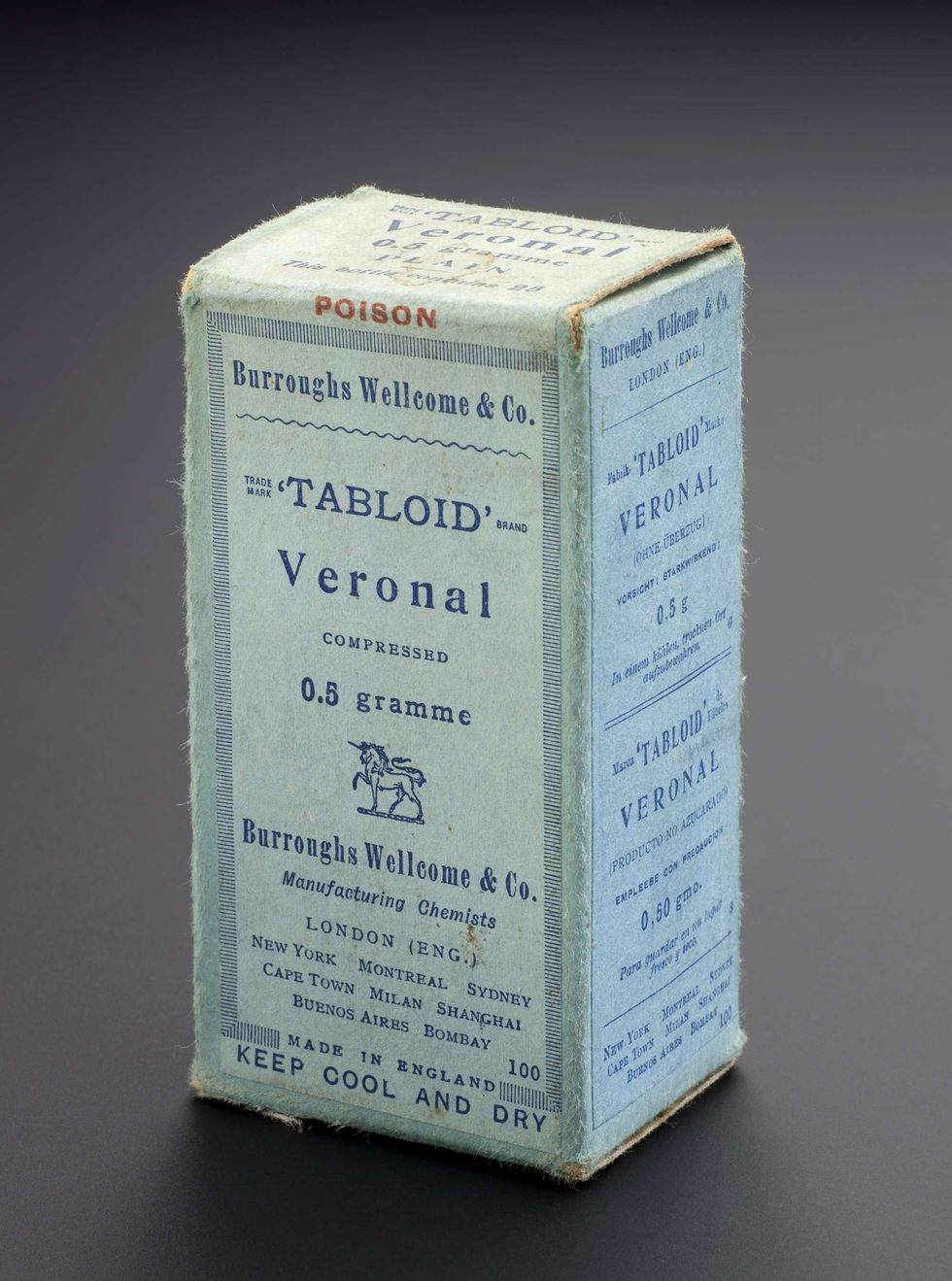 Box for Tabloid Veronal tablets,1910-1940 Science Museum Group
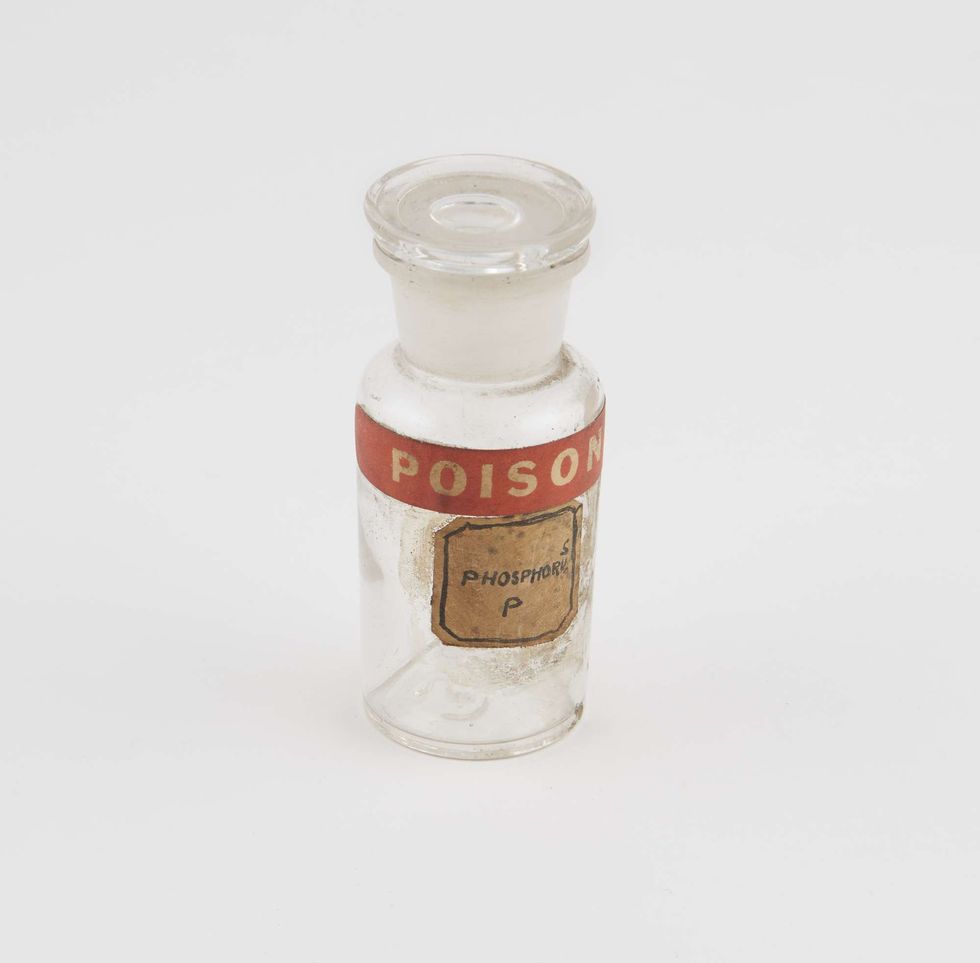 Chemical storage bottle and glass stopper, labelled ‘POISON phosphorus P’,1907-1912Science Museum Group
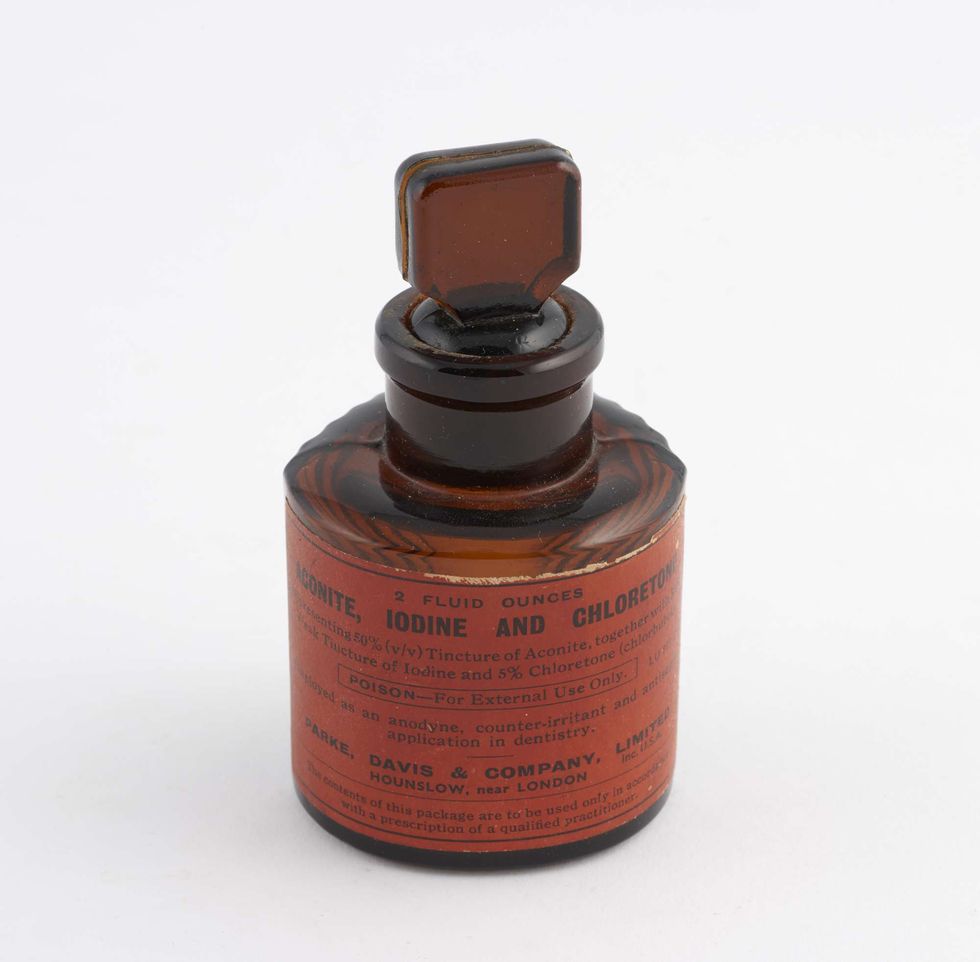 Empty poison bottle for aconite, iodine and chloretone solution,1925-1960Science Museum Group
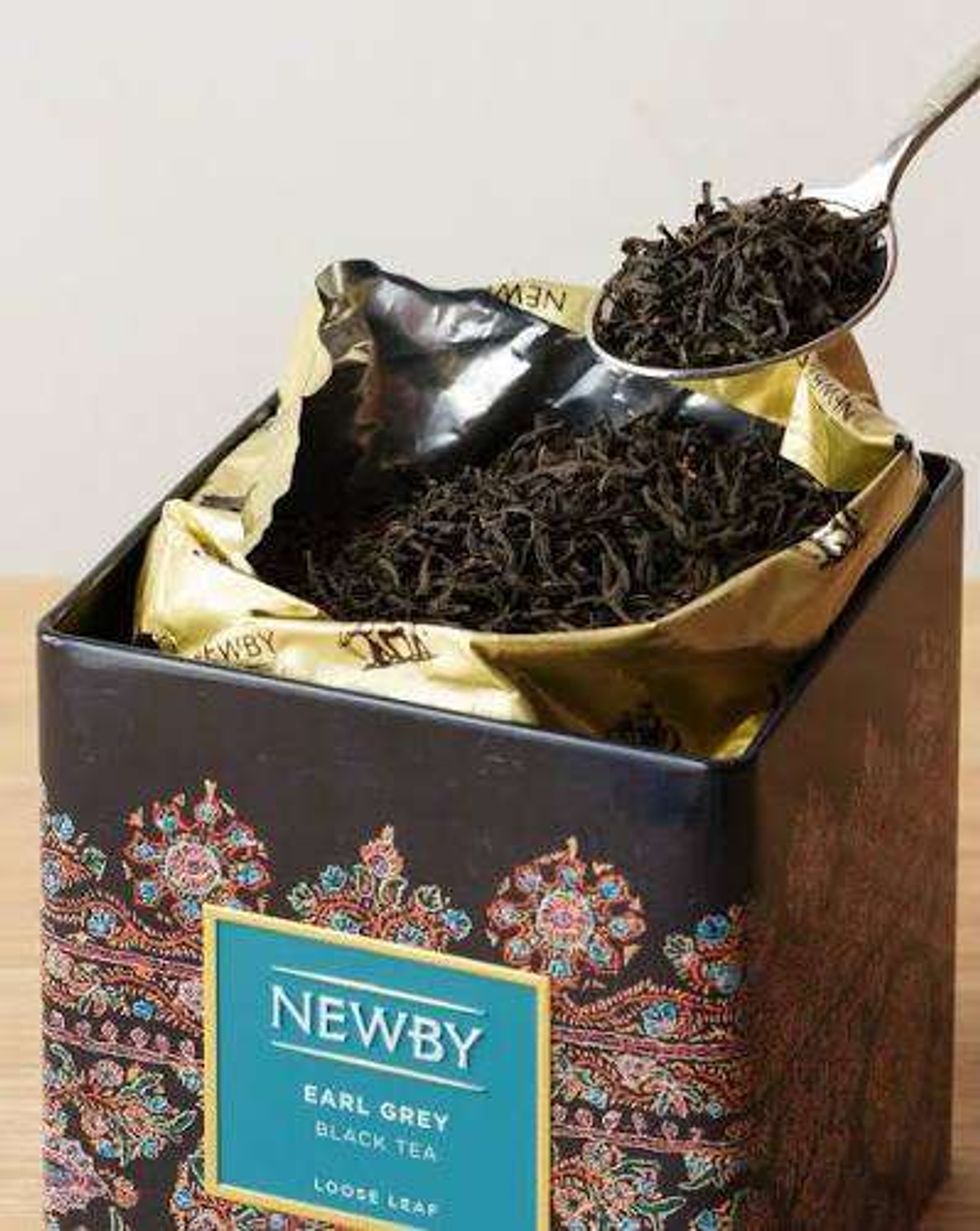 Newby Teas
