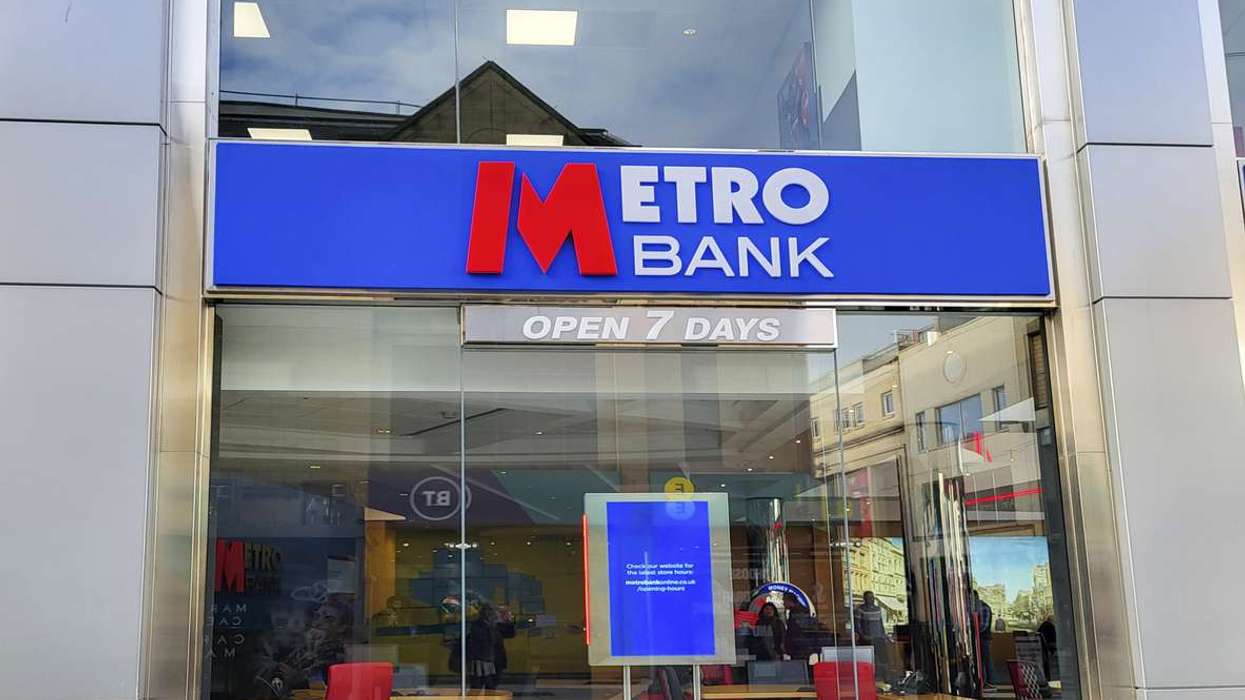

- Metro Bank chief’s pay more than doubles to £2.6m after job cuts.
- Turnaround strategy delivers £87m profit and shifts focus to corporate lending.
- Bonus structure worth up to £60m raises wider questions on banking incentives.
Metro Bank’s latest results suggest a lender back on its feet. A return to profitability, a stronger focus on corporate lending and renewed investor confidence marks a clear shift from the instability it faced just a few years ago.
But the recovery has not been without consequences.
The bank cut more than 1,000 jobs in spring 2024 and scaled back branch operations, including ending Sunday openings — a notable change for a lender that once positioned itself as a customer-first challenger on the high street. Those decisions formed a central part of its turnaround plan following a £925m rescue deal in 2023 led by Colombian billionaire Jaime Gilinski Bacal, who now controls a 53 per cent stake in the bank.
Against that backdrop, chief executive Dan Frumkin has been awarded a £2.6m pay package for 2025 — more than double the £1.2m he received the previous year, and the highest for a Metro Bank chief since its launch in 2010.
The timing creates a stark contrast. A year after significant job losses, executive pay has reached record levels, even as the bank continues to rebuild trust following earlier setbacks, including an accounting error in 2019 and a near collapse in 2023.
Inside the pay packet and the bigger bet
The increase in pay is closely tied to Metro Bank’s improved financial performance. The lender reported a record pre-tax profit of £87m for 2025, reflecting the impact of its shift towards corporate lending and tighter cost controls.
Frumkin’s total remuneration includes a £938,875 salary, a £1.2m annual bonus and a £470,000 deferred bonus from 2023, alongside pension and other benefits.
Beyond that, a long-term incentive plan could significantly increase his earnings. The scheme, approved by shareholders with 88.6 per cent support despite opposition from proxy advisers, could deliver up to £60m over five years depending on the bank’s share price performance.
Metro Bank’s shares are currently trading at around 141p. The bonus structure requires the price to remain above 120p by 2028 for any payout, with a maximum reward linked to a rise to 437p — a level that would mark a dramatic recovery from its near wipeout in 2019.
The structure reflects a broader approach increasingly seen in turnaround situations — tying executive rewards to long-term share performance. The bank said its remuneration policy is aligned with shareholder interests and focused on sustained value creation, as quoted in a news report.
Rewards, risks and who gains from recovery
For investors, the logic is straightforward. The bank has stabilised, returned to profit and repositioned its business model. Incentivising leadership to maintain that trajectory can be seen as part of ensuring long-term growth.
But the picture looks different when viewed beyond balance sheets.
The same turnaround that underpins the pay increase was driven in part by cost-cutting measures, including job losses and operational changes that reshaped the bank’s day-to-day presence. While shareholders have backed the reward structure, the benefits of recovery are not evenly visible across all stakeholders.
That raises a broader question around how success is measured in banking turnarounds.
Metro Bank was founded by Vernon Hill as a challenger brand, built on accessibility and customer experience. The current phase, marked by restructuring, tighter operations and high-performance incentives, suggests a shift towards a more conventional banking model.
None of this is unusual in isolation. Turnaround strategies often involve difficult trade-offs, and performance-linked pay is a common feature at senior levels. What stands out here is the scale of those rewards and how closely they follow a period of contraction.
The bank’s recovery is clear in financial terms. Whether that recovery translates into broader stability and how its gains are distributed remains a more open question.