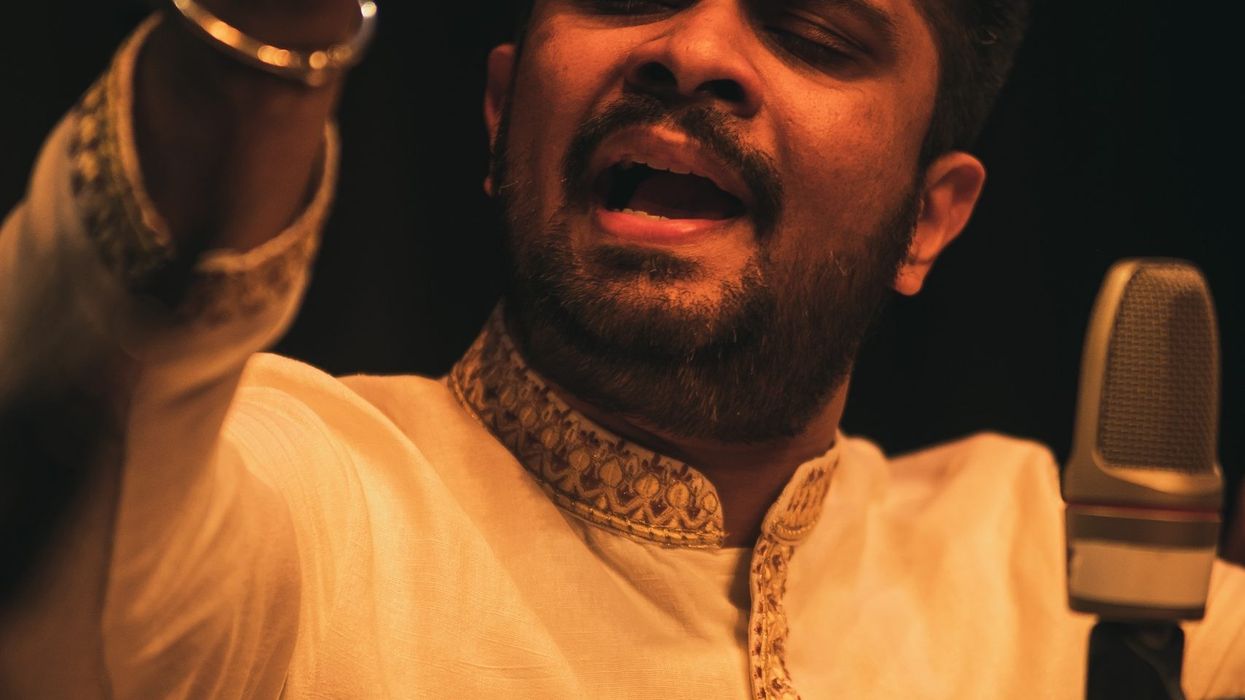

MUSICAL maestro Prabhat Rao is keeping young British Asians connected to classical Indian tradition by taking on talented students and getting them to headline events like a forthcoming concert at The Bhavan centre in London on December 4.
Thirty students will present a repertoire that evening, which is inspired by India’s classical, folk and spiritual music. What makes the show particularly special is that the two ensemble leaders are talented youngsters Preya Sumaria, 12, and Advay Bhargava, 13.
Eastern Eye caught up with the London-based Hindustani classical vocalist to discuss his musical journey, teaching and forthcoming show featuring his students.
What first connected you to classical Indian music?
From a very early age, I had been exposed to classical Indian music by my family. I was naturally inspired by it as a child and continued to explore my creativity through it over the years.
How do you feel when you look back on your journey as a Hindustani classical vocalist?
I feel blessed on this journey to have had the opportunity to learn from multiple gurus and the impact of this varied experience on my musical artistry has been positive.
How important is the teaching aspect for you?
I am first a performer and then a teacher. I want my students to also see me that way. Having said that, I am very passionate about ensuring that future generations continue to practise this art form. So, I do as much as I can to enable learning in and outside the classroom with my pupils.
Is it a challenge for you to engage the younger British generation in classical Indian music?
In my experience, it has not been a challenge at all. Most of my younger students are of British-Asian origin, and I have been able to create a fun and engaging environment for their learning, which is key for them to stick with it.
Tell us about your show at The Bhavan?
Throughout the lockdowns, all our classes have been online, and this has been a steep learning curve. We wanted to push technology to its limits and have even managed to do our rehearsals involving over 30 participants online. We are eager to share what we have achieved during this time with our audience on December 4 at The Bhavan in London.
What can we expect at the concert?
Our repertoire for this concert is inspired by India’s classical, folk, and spiritual music. From playful lilting tunes describing the tropical monsoon to skilfully sung raagas, completely improvised by the students – we have a selection that will leave our audience wanting more.
Tell us something about the two young ensemble leaders?
Preya Sumaria and Advay Bhargava have been my students for a few years now and played a key role in putting the concert music together. They have shown great leadership skills in being able to assist and guide their peers in their musical preparation. This has definitely lightened the load on my shoulders, and so I am delighted to appoint the two of them as ensemble leaders for this concert.
What advice would you give youngsters interested in classical music?
Attend a few live concerts and you’ll fall in love with it! A recording, no matter how good the quality is and how advanced one’s speaker system is, can never give you as much joy as watching an artist in person does.
What inspires you?
Music that gives me peace and helps me go within inspires me. It doesn’t have to be pitch perfect; it just has to be soulful and authentic.
Why should we all come and watch The Bhavan show?
The future of Indian classical music in the UK is bright and these students of mine are proof of that. Come watch them in action. An audience’s encouragement means everything for a budding artist.
www.prabhatrao.com

 William FeatherbyAmit Roy
 Tash PerrinAmit Roy
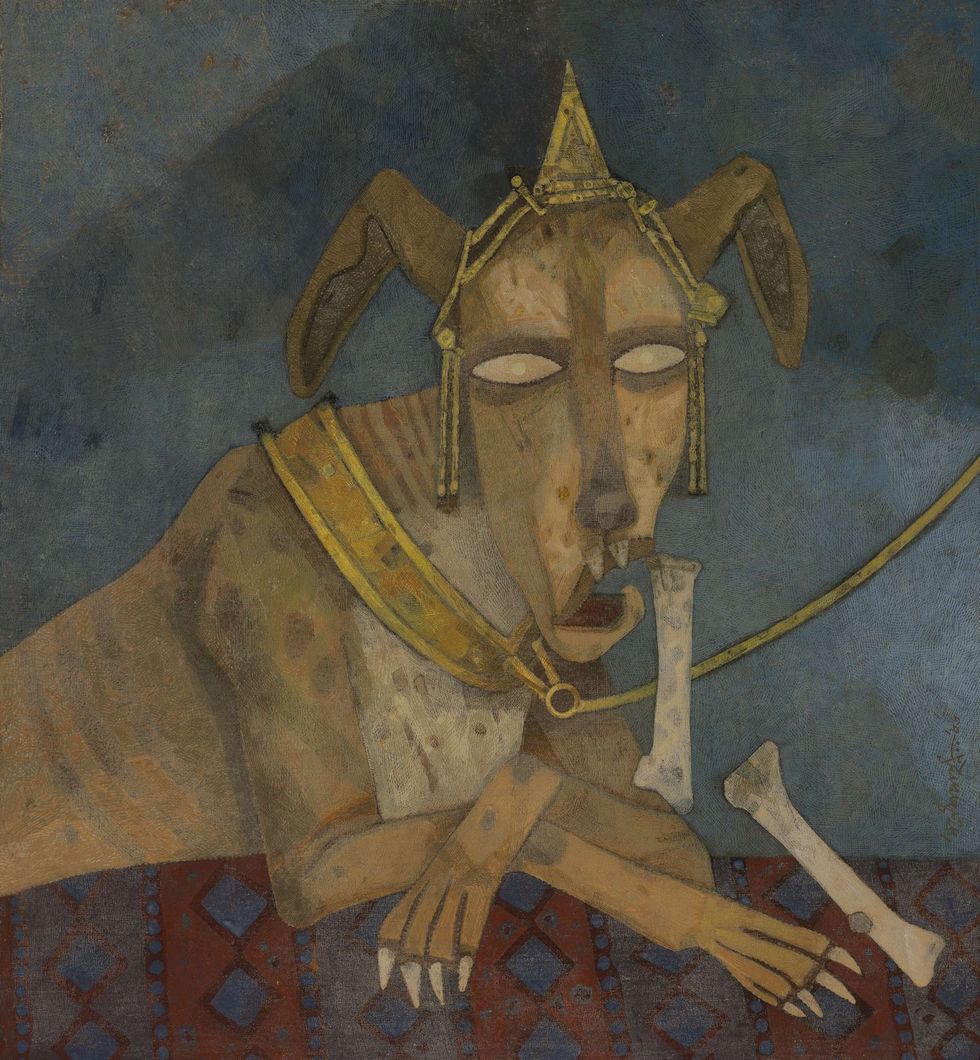 The Slave by Ganesh Pyne (price realised $1,152,000) Christie\u2019s
 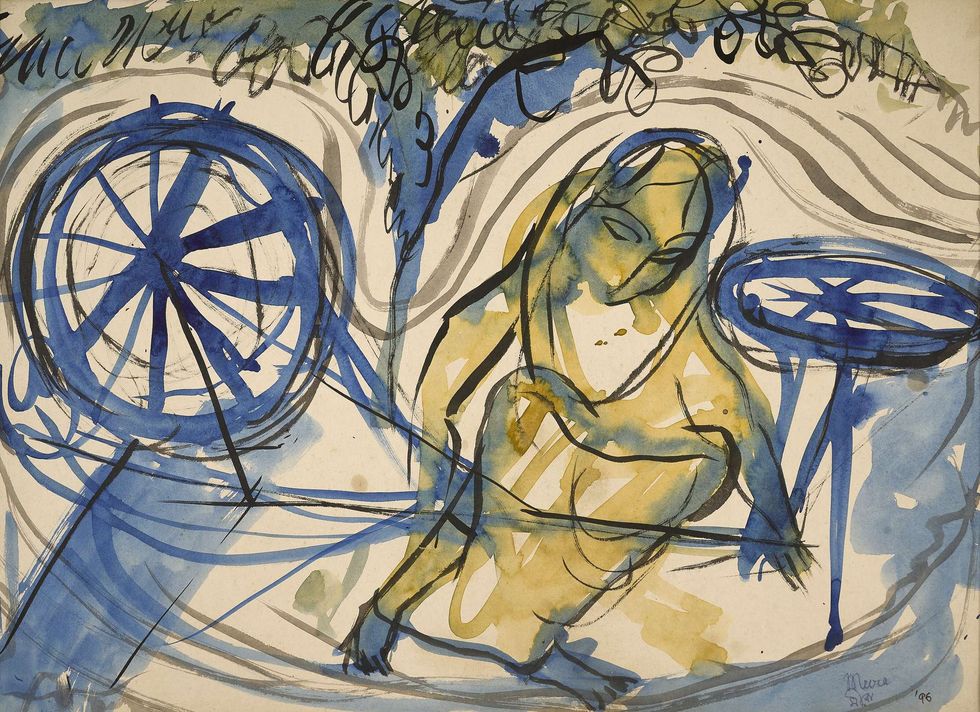 Untitled (Woman with Bicycle) by Meera Mukherjee (price realised $40,960)Christie’s
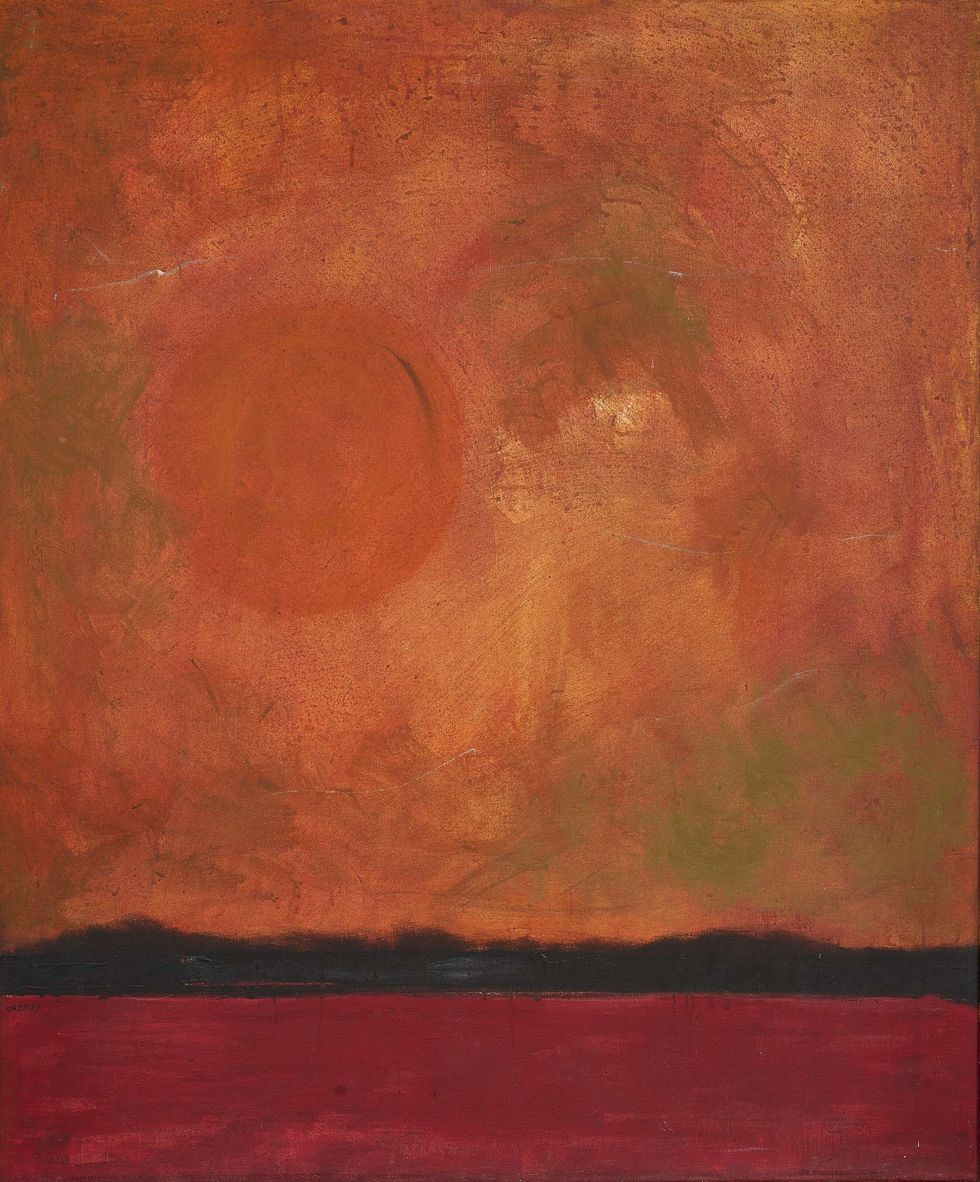 Experience – I by Hari Ambadas Gade (price realised $83,200)Christie’s
 August-Sept 1991 by Biren De (price realised $57,600)Christie’s
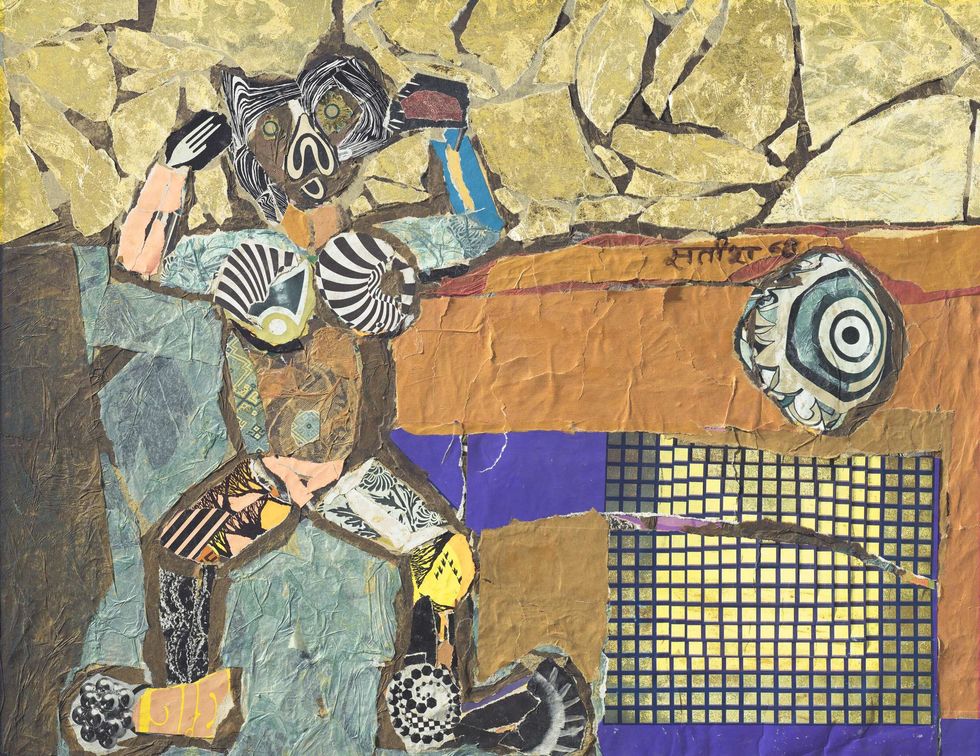 Untitled (Standing Figure) Satish Gujral (price realised $61,440)Christie’s
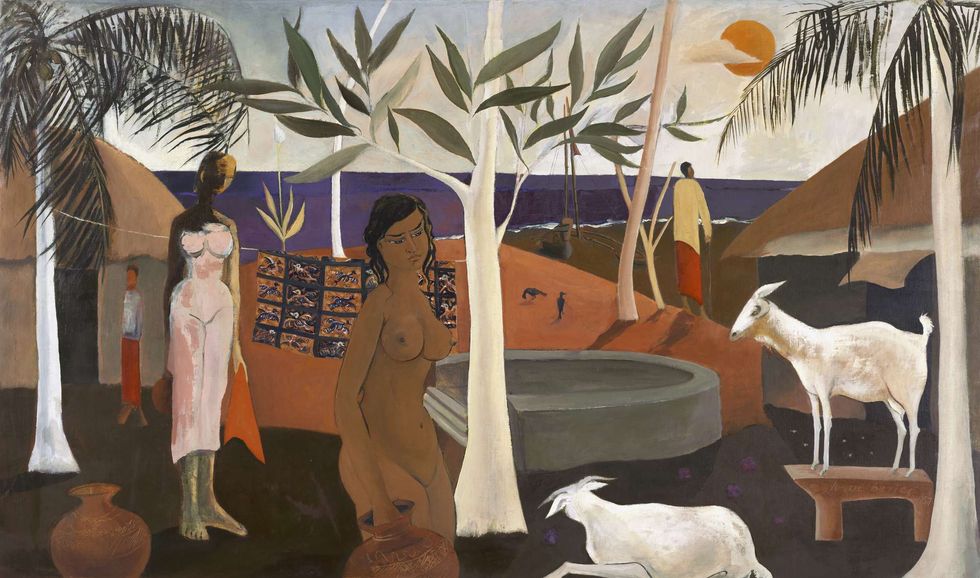 The Well. By Ivan Peries (price realised $640,000)Christie’s
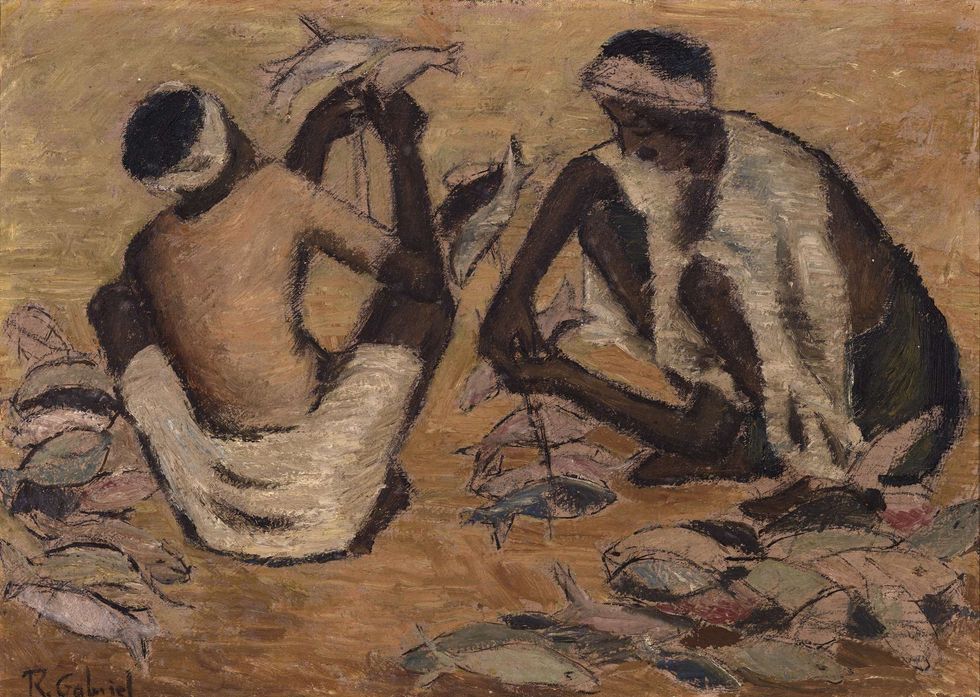 Fishermen. Richard Gabriel (price realised $48,640)Christie’s
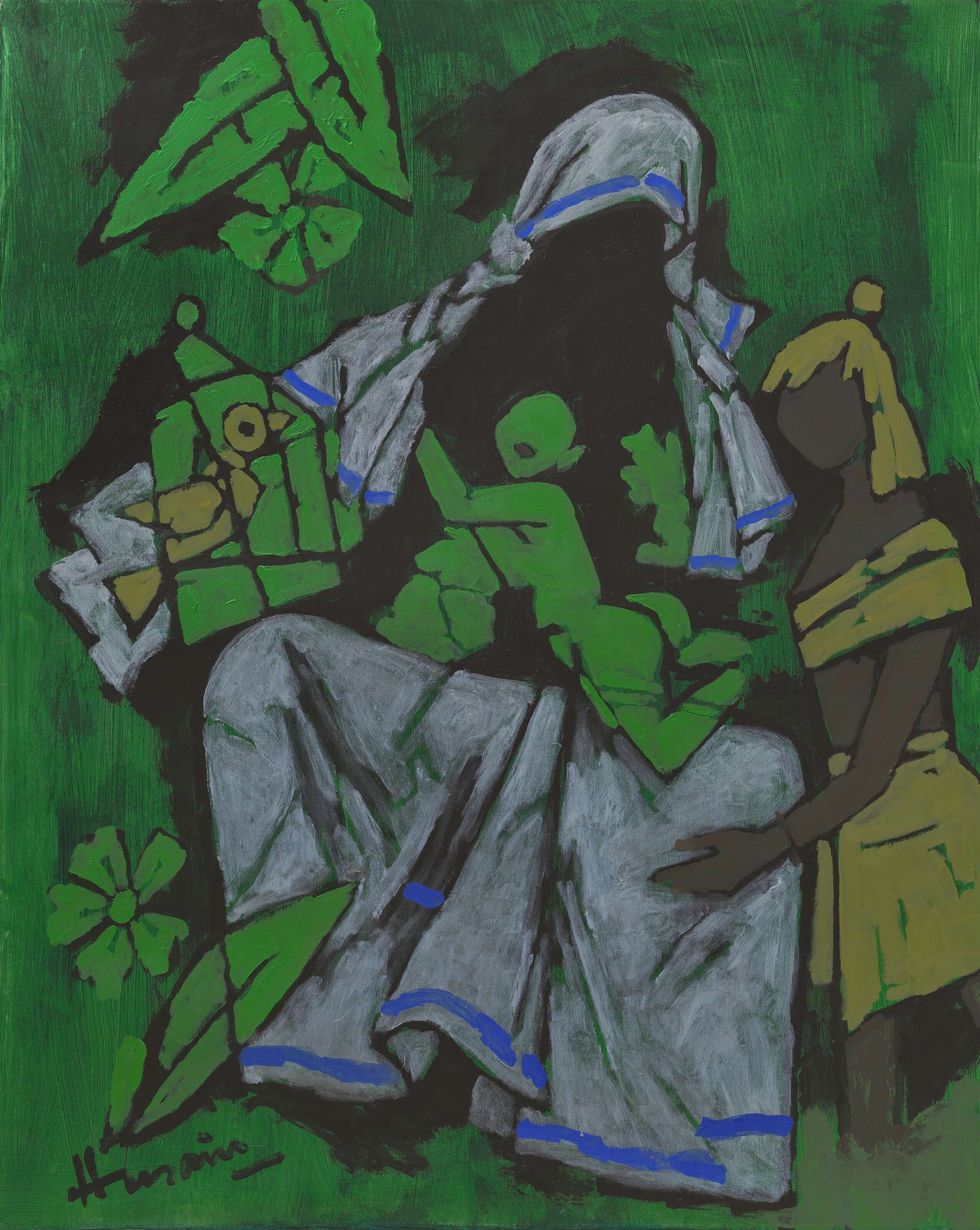 Untitled (Mother Teresa) by Maqbool Fida Husain (price realised $358,400)Christie’s
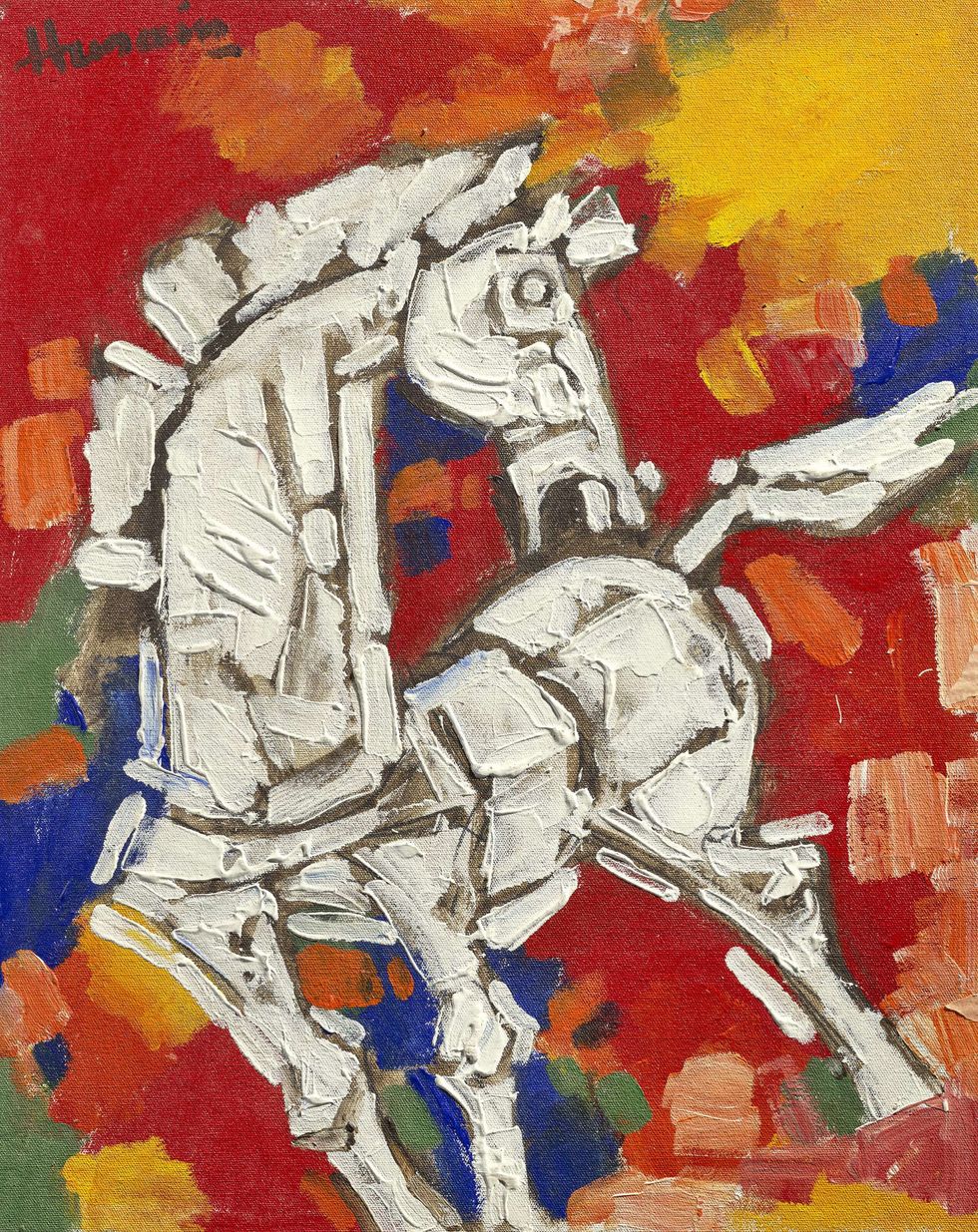 Untitled (Horse) by Maqbool Fida Husain (price realised $204,800)Christie’s
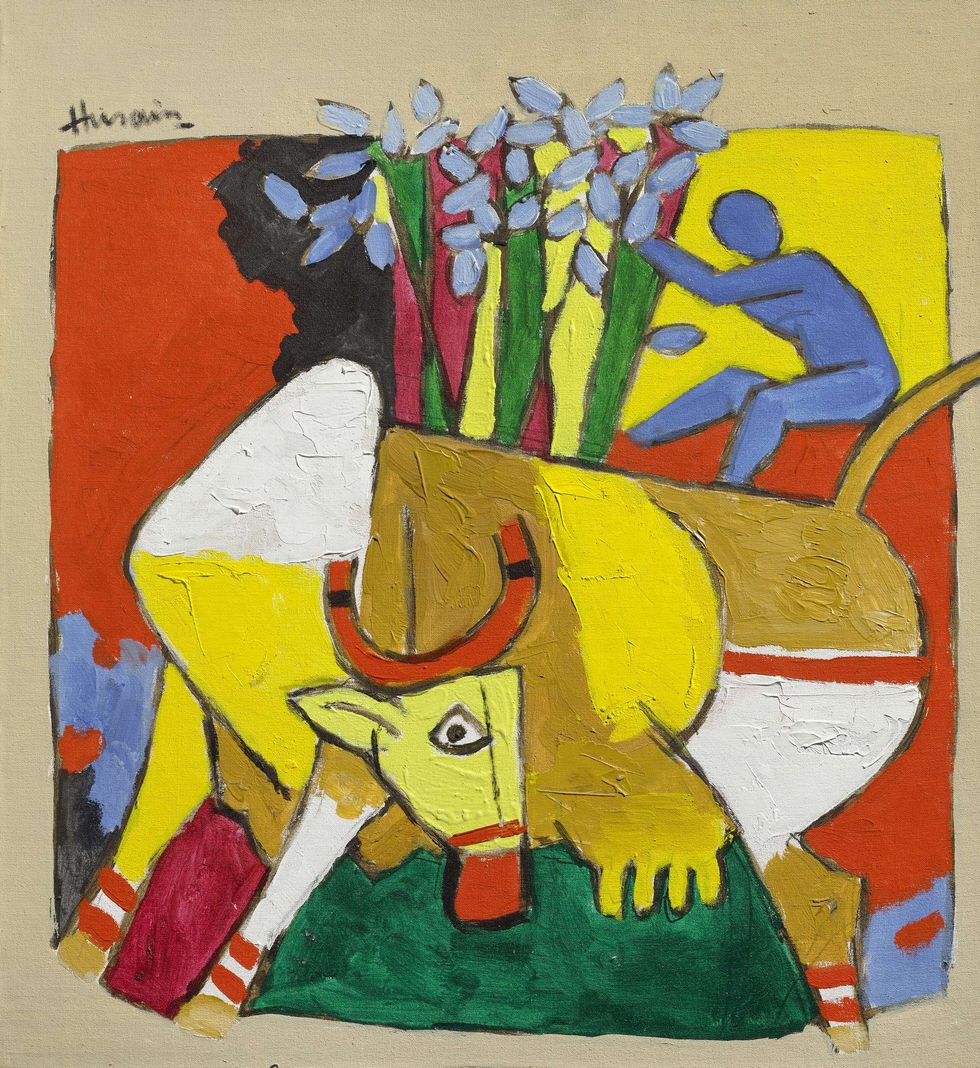 Untitled (Bull) by Maqbool Fida Husain (price realised $204,800)Christie’s
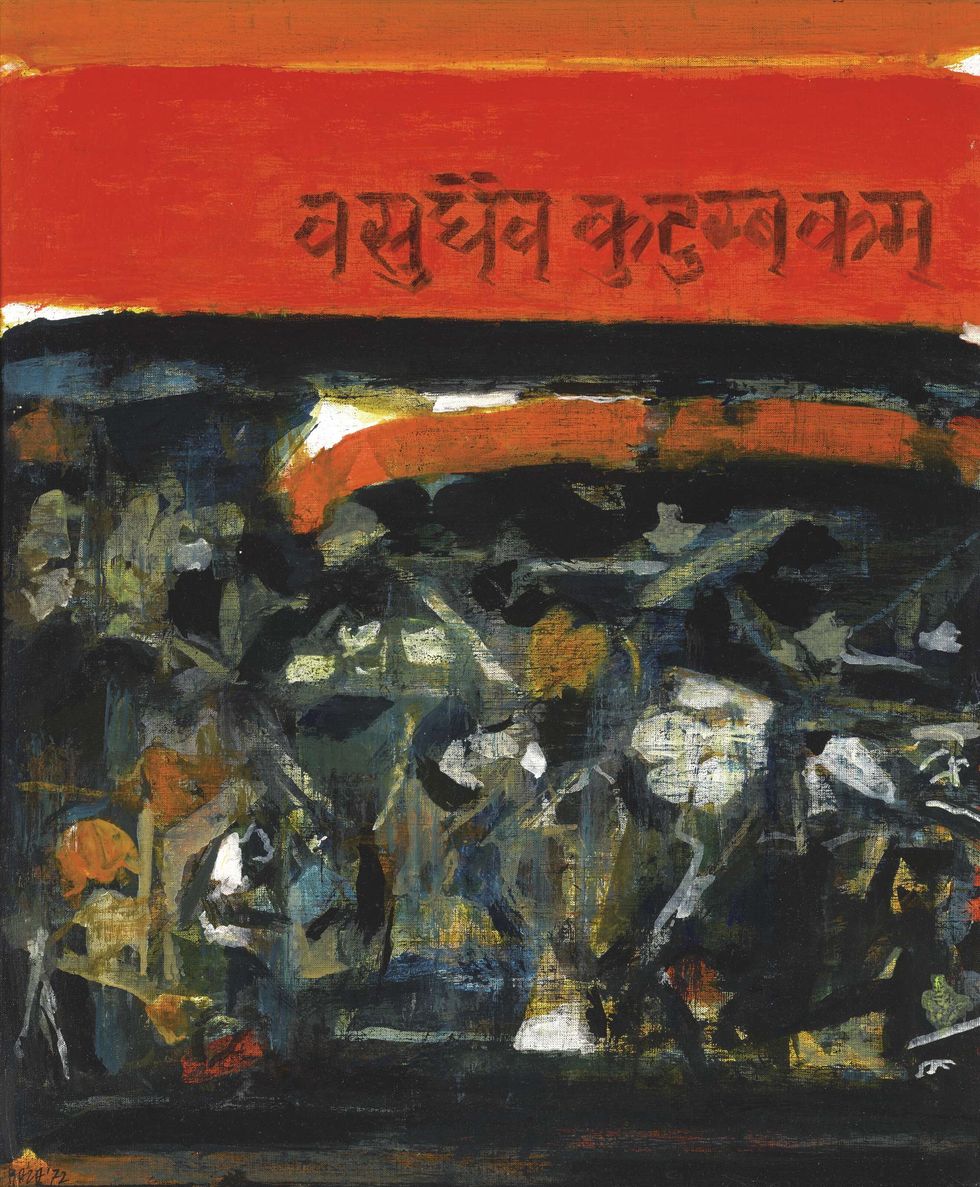 Untitled (Vasudhaiva Kutumbakam) by Sayed Haider Raza (price realised $371,200)Christie’s
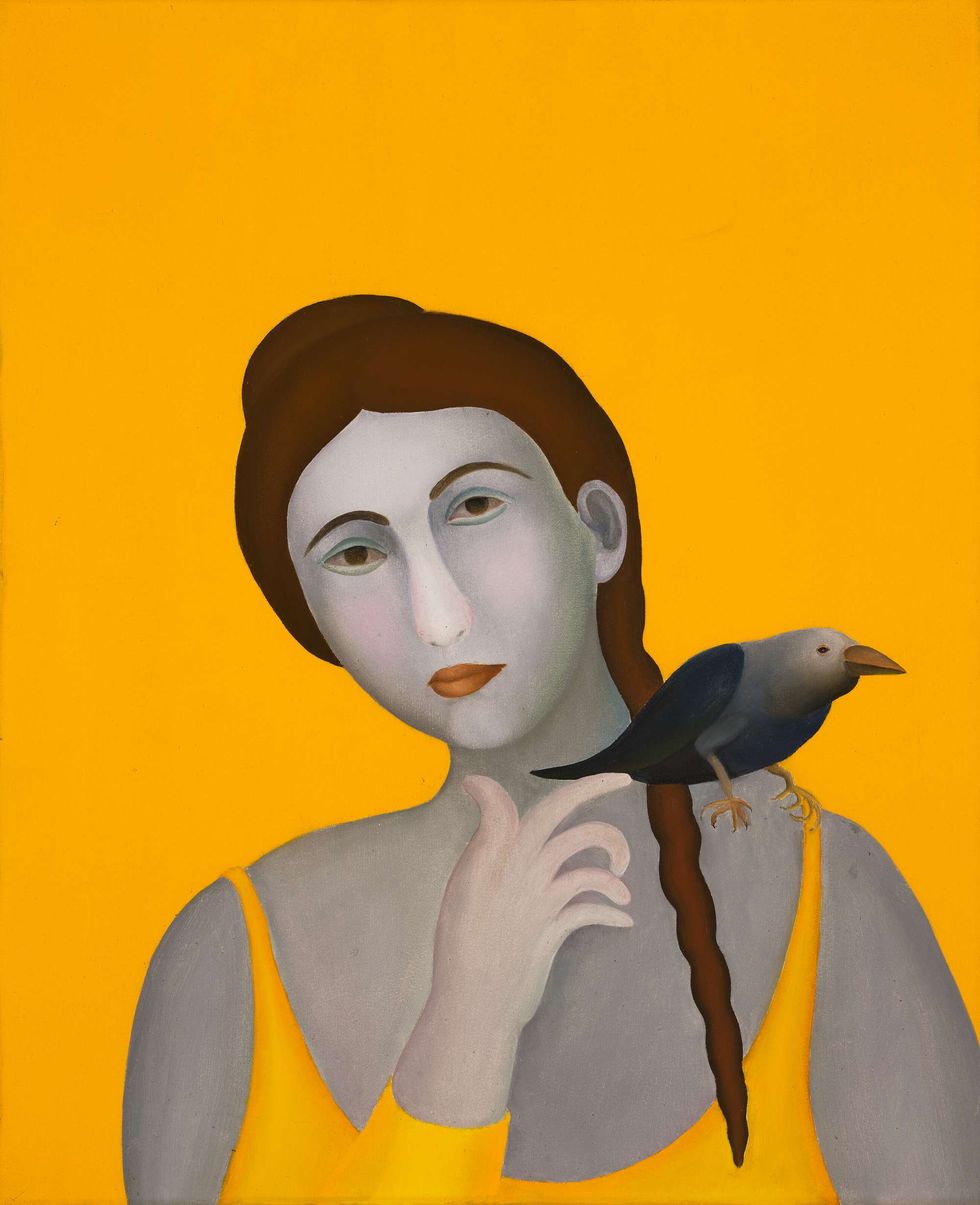 Untitled (Woman and Bird) by Manjit Bawa (price realised $396,800)Christie’s
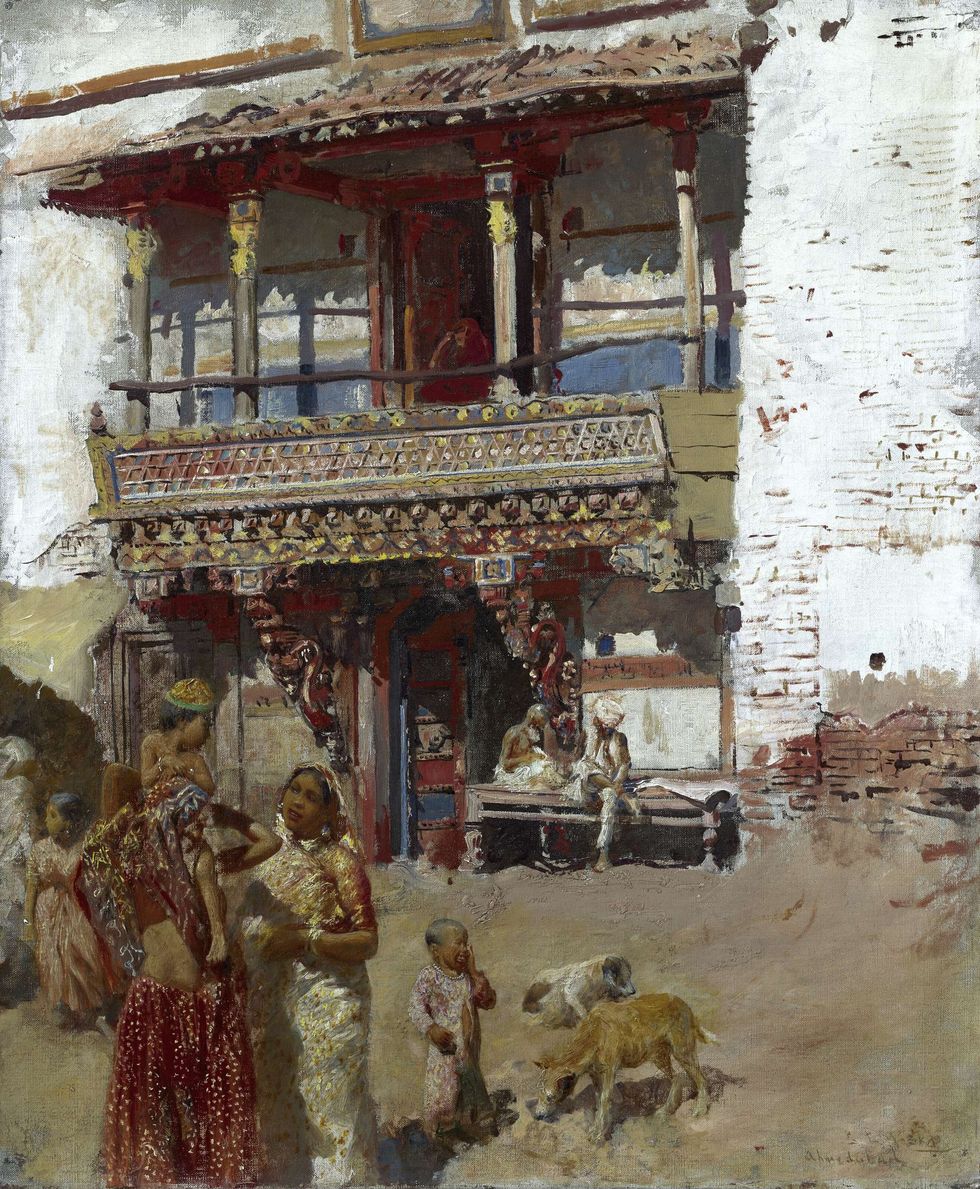 Old House in Ahmedabad by Edwin Lord Weeks (price realised $230,400)Christie’s
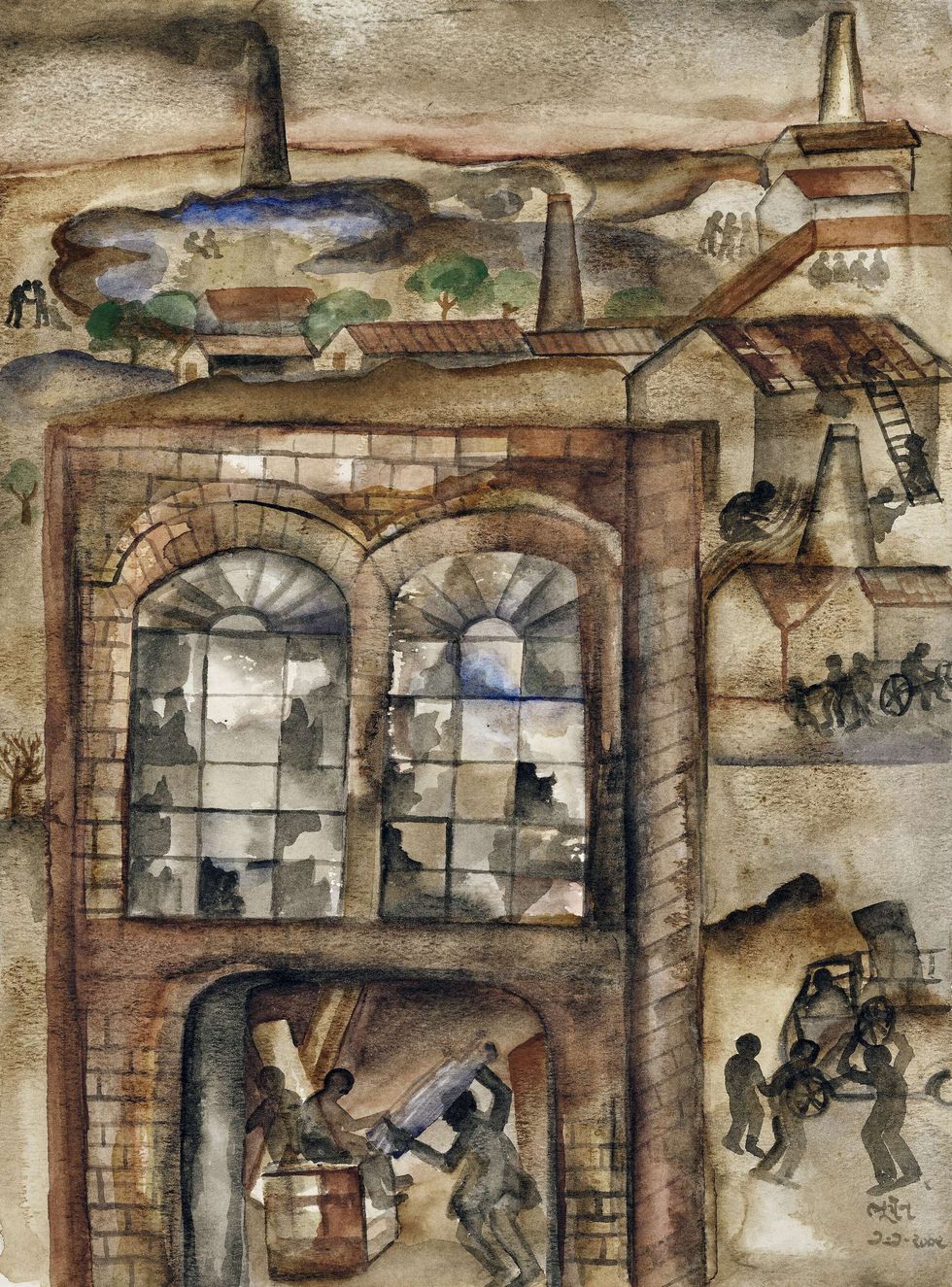 Untitled (Manchester Cotton Mills Series) by Bhupen Khakhar (price realised $61,440)Christie’s
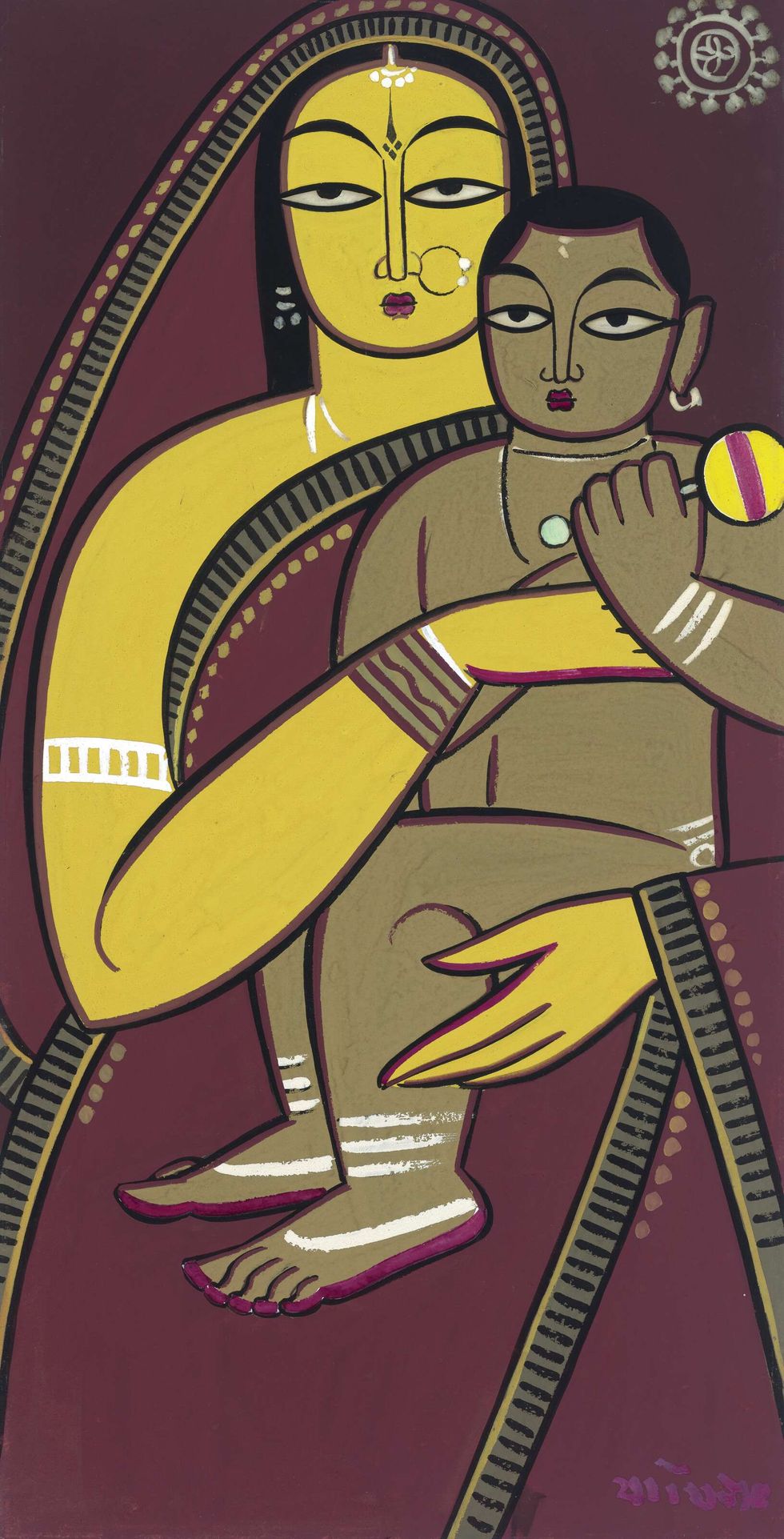 Untitled (Mother and Child) by Jamini Roy (price realised $25,600)Christie’s
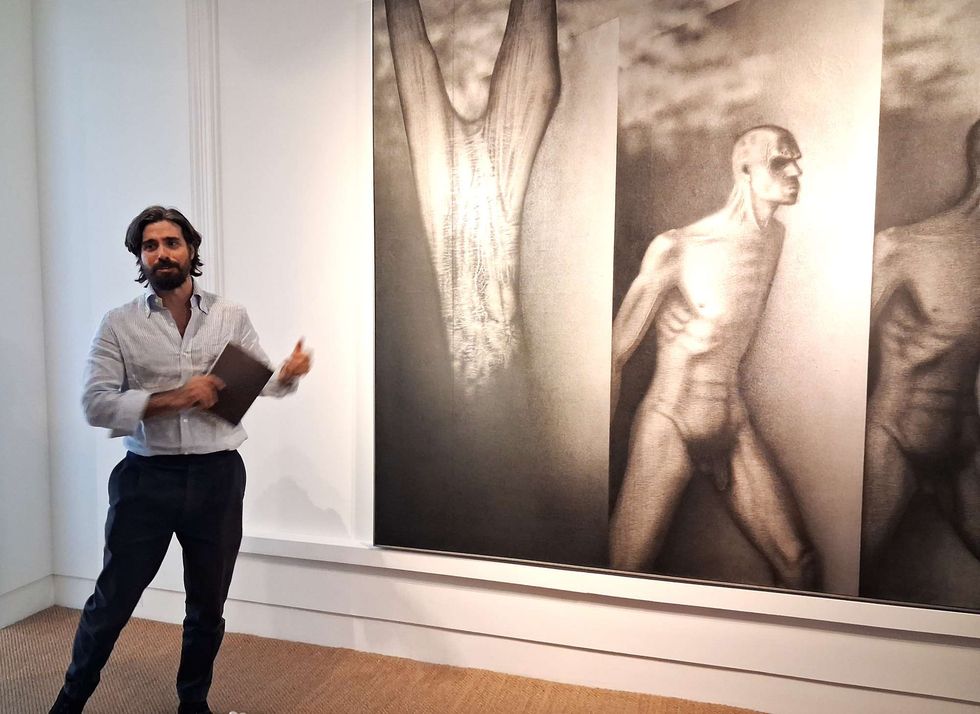 Damian VesseyAmit Roy