PAKISTAN'S headline inflation eased for the first time in seven months in June, figures released Monday (3) showed, a bright spot for a beleaguered government that must call an election this year.
Year-on-year inflation was 29.4 per cent last month, Pakistan Bureau of Statistics data showed, compared with a record 38 per cent in May.
Years of financial mismanagement have pushed Pakistan's economy to the limit, exacerbated by the Covid pandemic, a global energy crisis and record floods that submerged a third of the country last year.
Pakistan struck a $3 billion standby deal with the International Monetary Fund on Friday (30), which could provide temporary relief for the country's ballooning foreign debt.
To meet the demands of the deal - which will be considered by the IMF's board by mid-July - Pakistan scrapped popular subsidies on gas and electricity, which had cushioned the cost-of-living crisis.
With elections due in October, campaigning is likely to be driven by promises of development and vows to fix the economy.
The latest data shows poor Pakistanis are still feeling the brunt of the economic turmoil.
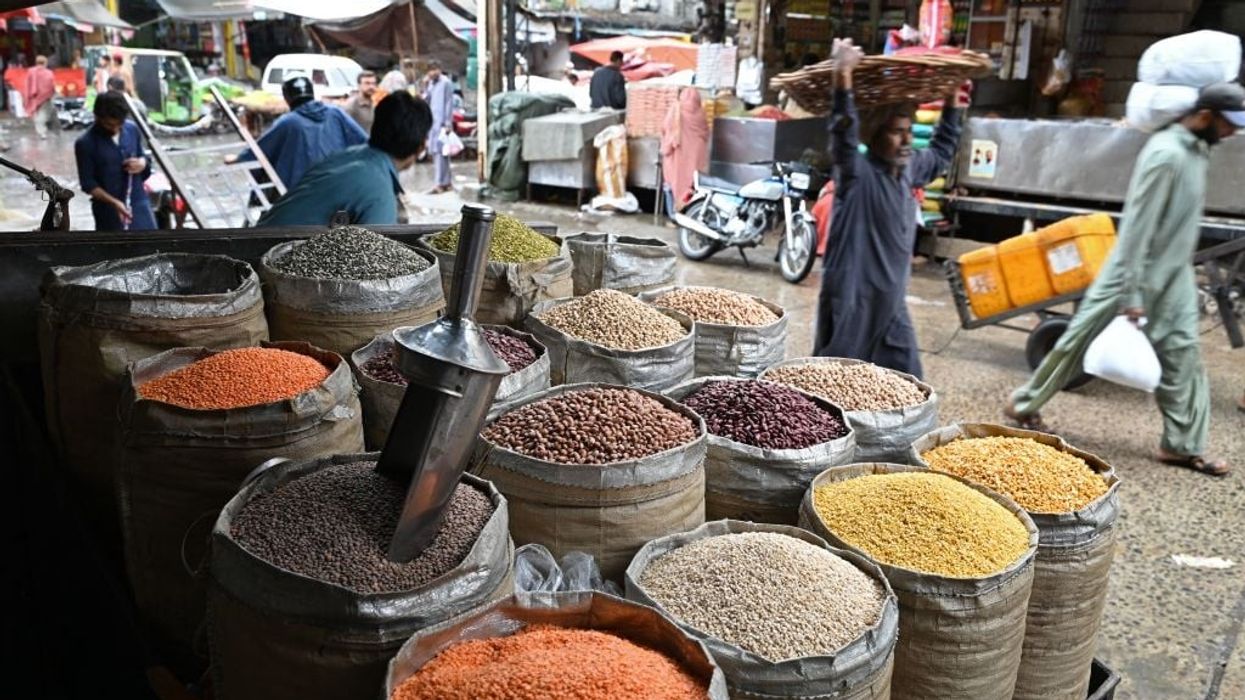
Food prices have risen 40 per cent over June 2022, while transport costs have increased 20 per cent in the same period.
Pakistan's poverty rate is expected to reach 37.2 per cent this year, according to a World Bank report released in April.
The rupee has plunged to record lows against the dollar this year, making imported goods more expensive.
The country's central bank raised its benchmark interest rate to a record-high 22 per cent in an emergency meeting last week.
Economist Ashfaque Hasan Khan, a former special secretary at the ministry of finance, warned the latest inflationary easing would likely only be temporary.
"I fear inflation will increase in July as the state bank has increased the rate of interest and fixed it at 22 per cent.
"The (inflation) rate will also increase in case the currency is devalued as a result of any understanding between the government and the IMF."
Economist Farrukh Saleem said the "temporary relief" should not distract from systemic issues.
"The major problem remains there in the form of big borrowings by the government.
"This situation will keep impacting people indirectly as it will lead to increased poverty, inflation and unemployment in the country."
Pakistan's stock market rose by the most in more than three years on early trade Monday, on the back of last week's IMF deal.
Pakistan failed to meet any economic growth targets for the fiscal year 2022-23, with GDP growth at 0.3 per cent.
Foreign exchange reserves have dwindled to just $3.5 bn, roughly enough for three weeks of imports.
(AFP)
Pakistan inflation eases for first time in seven months
Year-on-year rate of price increase was 29.4 per cent in June