
Highlights
- New rules would require at least 10 unrelated households to complain before noise investigations begin at licensed venues.
- Nightlife taskforce delivers 23 recommendations to protect London's £140 billion night-time economy.
- Over two-thirds of young Londoners aged 18-30 say they go out less due to cost-of-living crisis.
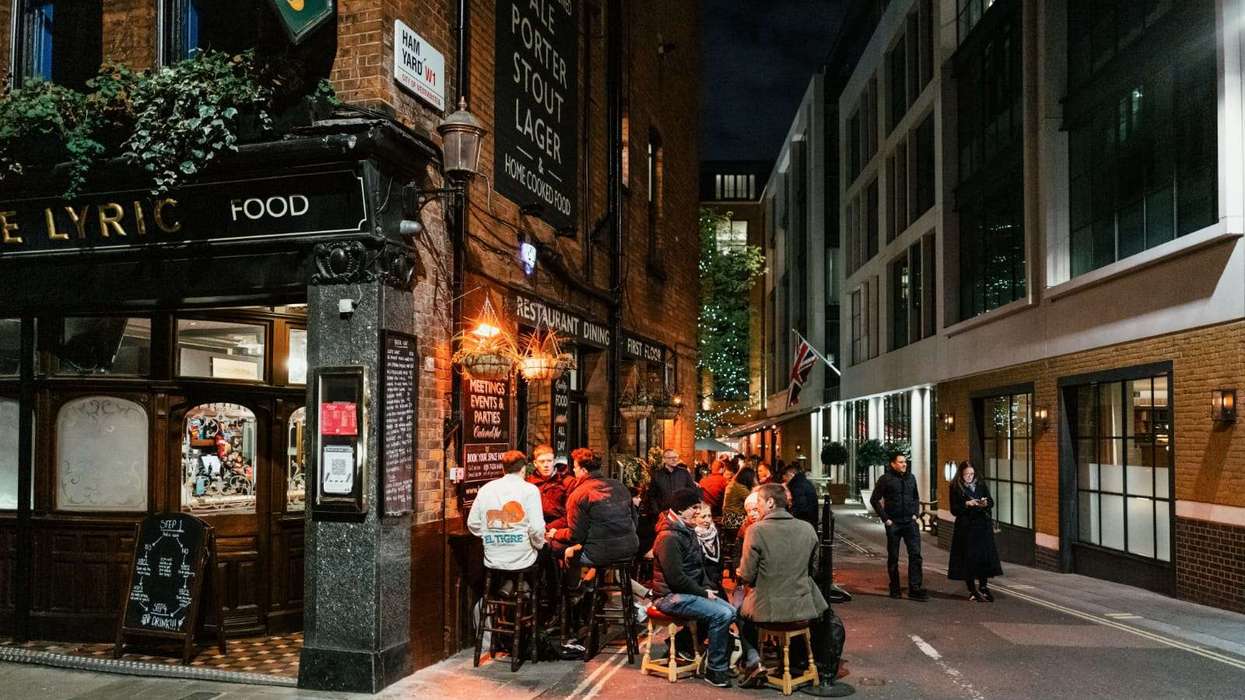
London's pubs and clubs could receive greater protection from closure under proposed rules that would make it significantly harder for noise complaints to shut down venues.
A nightlife taskforce commissioned by mayor Sadiq Khan has recommended that councils only investigate noise complaints if a minimum of 10 unrelated households complain, preventing a handful of neighbours from forcing venues to close early.
The proposal forms part of 23 recommendations across 10 key areas aimed at protecting and enhancing the capital's late-night entertainment sector, which is estimated to be worth almost £140 bn annually.
Cameron Leslie, co-founder and director of nightclub Fabric, who chairs the taskforce, told The Standard that the capital needs changes to the Environmental Protection Act 1990 to achieve "a better balance between residents and cultural spaces."
The proposed rules mirror reforms introduced in Sydney and New South Wales in 2024, which increased the minimum number of complainants from three to five.
Industry economic pressures
The taskforce report identified noise complaints as "a significant point of conflict" between venues and residents.
Surveys and focus groups found frustrations with noise-related disputes were common amongst venue owners, including costs associated with soundproofing and the time involved in navigating complex complaints procedures.
Venue operators criticised the council licensing process as "overly complex, lengthy and expensive," while describing the planning system as "outdated, arbitrary and stifling London's nightlife."
The report revealed that more than two million people are out in London on a typical night between 9pm and midnight, with approximately one million remaining out between midnight and 3am.
However, over two-thirds of Londoners aged 18 to 30 reported going out less at night due to the cost-of-living crisis.
VAT and business rates were highlighted as concerns by 68 per cent of venue owners, with energy bills and rents raised by 67 per cent and 60 per cent respectively.
The taskforce has also advised against directly replacing the £132,000-a-year "night czar" Amy Lamé, who resigned in October 2024, instead recommending a "nightlife commission" for a "more expansive and inclusive approach."
Khan welcomed the report and committed £300,000 to establish the night-time commission, due to launch later this year.