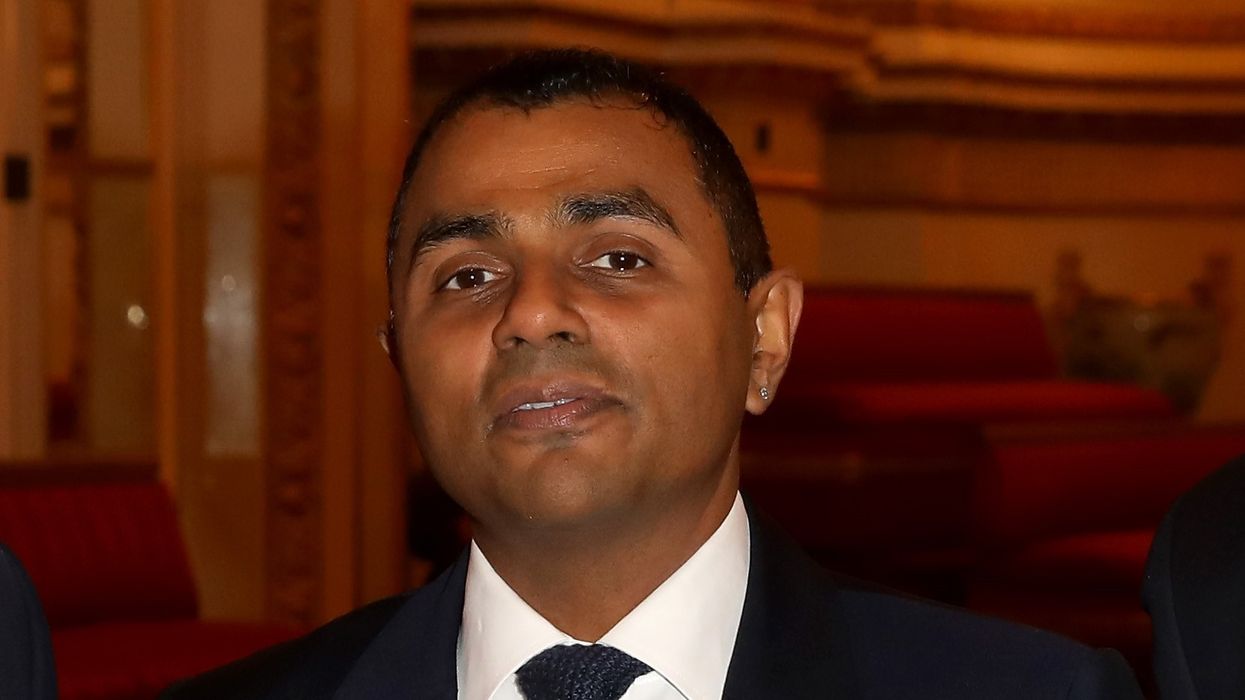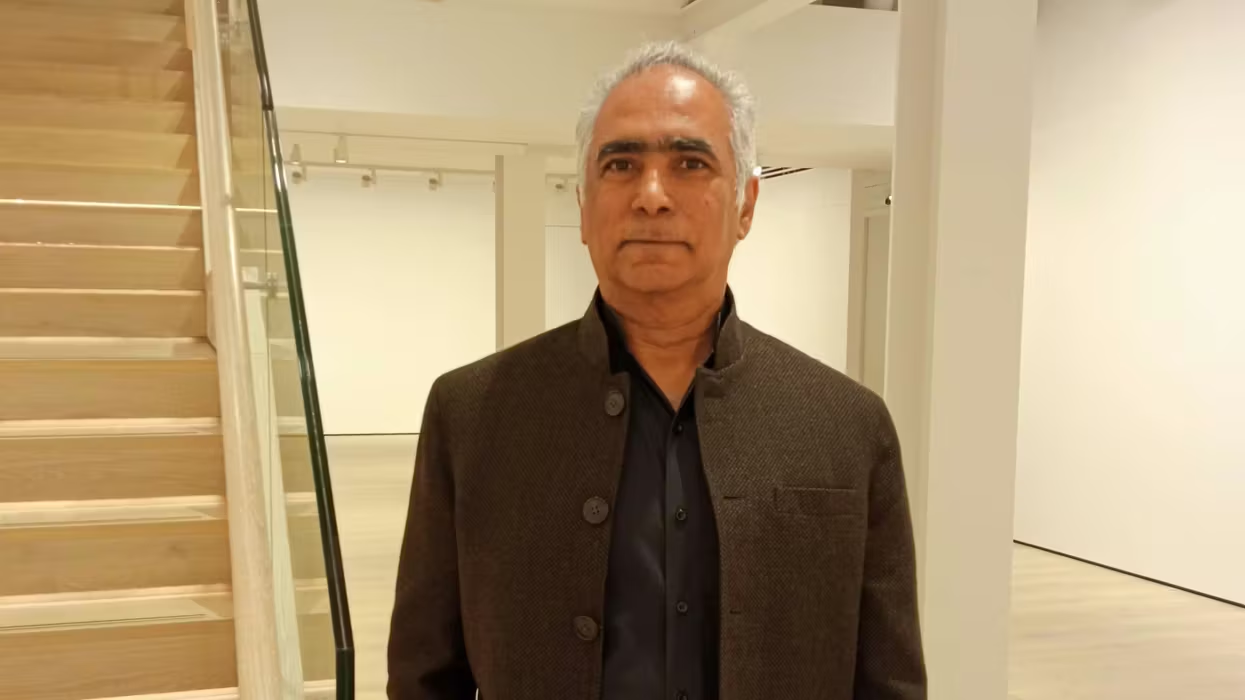

SUNDARAM TAGORE spoke to Eastern Eye about the new art gallery he has opened in Pall Mall in London, just across the road from the Royal Automobile Club, where he likes to stay when he flies in from New York.
Tagore, who currently has galleries in New York and Singapore, said he wanted to focus on “cross-cultural art” and hoped to bring artists from all over the world to London.
“That’s why we have opened in London. Our whole identity is based on cross-culture.”
Among the artists he intends to promote is Japan-born Hiroshi Senju, who lives in New York and is renowned worldwide for his sublime waterfall and cliff images.
Tagore will also represent Chun Kwang Young, who was born in South Korea in 1944, moved to the US in the early 1970s and now incorporates elements of both painting and sculpture in his practice.
He will also bring Anila Quayyum Agha, a Pakistani American artist who creates paintings, sculptures, installations and public art exploring gender, politics, and identity, as well as Neha Vedpathak, born in Pune in India and a Detroit-based artist who creates sculptural installations and wall reliefs made from paper.
Bangladeshi artist, Tayeba Begum Lipi, who often makes remarkable sculpture using razor blades, is another artist whose work will be shown at the gallery.
Calcutta-born Tagore was educated at Magdalen College, Oxford, and lives in New York.
Art is clearly in his DNA for he belongs to the family of the poet Rabindranath Tagore. His artist father, Subhogendranath (“Subho”) Tagore, was the grandson of Hemendranath Tagore, the third son of Debendranath Tagore and the elder brother of Rabindranath Tagore.
Tagore, who was born in 1961, said of his family tree: “I’m the great grandson of the fourth brother (of Rabindranath), Hemendranath Tagore.”
He previously rented space in Cromwell Place in Kensington three years ago, but the venue closed for renovation. The one in Pall Mall has a long lease.
Earlier this year, on the 25th anniversary of the Sundaram Tagore Gallery in New York, he recalled: “I opened the doors of my first gallery at 137, Greene Street, in New York City in 2000.
“In those days, New York felt like the beating heart of the global art world, teeming with energy and creative potential. Yet, despite the incredible diversity of talent, art was segmented.
“The vast majority of galleries focused on Western art – most of it made by men. A handful of outliers concentrated on work from particular regions, unnecessarily segregating artists by ethnicity or nationality – Chinese, Japanese, Russian-thereby imposing limits on their practices.”
Tagore added: “Having roots in India and having lived in North America and Europe, this sense of division never resonated with my worldview.”
He talked of family influences: “My family founded a world university, Visva- Bharati, in Santiniketan, India, in 1921, extolling the values of humanism and cross-cultural understanding. Rabindranath Tagore described it as a place ‘where the world makes a home in a single nest’. Having travelled widely for many years, I witnessed cultures coalescing and colliding as never before – a broader, more integrated global narrative starkly different from the Western-centric view that dominated the New York art scene of that era.
“So when I entered the fray, I decided to carve out a new cultural space that would become home to a global community of artists. It was the natural outgrowth of living in the West, while coming from the East.
“I wanted to foster intercultural dialogue not only because it was woven into my DNA, but because I believed that was the world we lived in, even if it was not yet widely recognised. The intermingling of cultures became the premise of my programming. It felt natural to me to create a gallery with a global vision, putting culture before commerce.”
He went on: “I began focusing on diasporic artists and those from underrepresented cultures outside Europe and the United States, with the aim of bringing them to the forefront. Crossing cultural and national boundaries, these artists synthesised Western visual languages with forms, techniques, and philosophies from Asia, the subcontinent, and the Middle East. By incorporating authentic elements from their own cultures, artists from the periphery added richness and complexity to the artistic language that dominated the Western canon.
“They produced paintings, drawings, sculptures and installations that emphasised tactility and materiality; aesthetically and intellectually rigorous, their work was infused with humanism and spiritual significance.”
He said: “Early in our history, I also chose to highlight exceptional women from the New York School who had long been overshadowed by their male peers. Although I was not consciously seeking to challenge the prevailing notion that Western men made the most collectible art, I believe that was precisely what I accomplished by widening the tent.
“As our roster grew, the gallery transformed into a cultural hub for a multitude of art forms, including poetry, dance, theatre and music.
“We hosted book launches and film screenings that furthered our mission of East-West exchange. Our events featured Nobel Prize-winning economist Joseph Stiglitz, historian William Dalrymple, filmmakers Ismail Merchant, Albert Maysles and Mira Nair, and the noted critic and art historian Irving Sandler, who shaped the narrative of the New York School.
Tagore emphasised: “The importance of creating opportunities for intercultural dialogue became even clearer a year after we opened, when the 9/11 attacks shook the city. Art served as a balm and an antidote for a grieving metropolis. People came to understand the significance of the gallery’s mission as they witnessed art’s power to unite disparate communities and dissolve barriers.”
He said: “After developing an enthusiastic following in New York, I turned my attention to the West Coast. By 2008, we had launched a space in Beverly Hills. Later that year, I realised a long-held dream of establishing a branch in Asia, opening a three-story gallery on Hollywood Road, in the heart of Hong Kong’s nascent arts district.
“We were the first international gallery of our kind to set up in the city, paving a path others soon followed. It was a magical twelve years – a mix of East and West, tradition and modernity.
“In 2012, the Singaporean government invited me to open a gallery in Gillman Barracks, the former British military compound of whitewashed colonial buildings. Once again, we were the first New York gallery in the district, where we continue to stage major exhibitions.
“Our newest gallery is in London, a city with deep sentimental pull, where I spent countless hours at the British Museum Library as a graduate student and where my father, Subho Tagore, an important painter, honed his craft at what was then St Martin’s School of Art.
“As the gallery grew, we partnered with museums worldwide. With every exhibition, our goal is to spark dialogue – to use art as a vehicle to bring people together and remind them that more unites us than separates us.
“Yet to view art solely through the market lens is to overlook its true worth. Art is a catalyst for change, capable of transforming thought and values.
“I believe we need art, artists, art enthusiasts, supporters, and arts institutions now more than ever to help bind our disparate and discontented world together. I embrace that truth wholeheartedly as I plan for our next twenty-five years.”
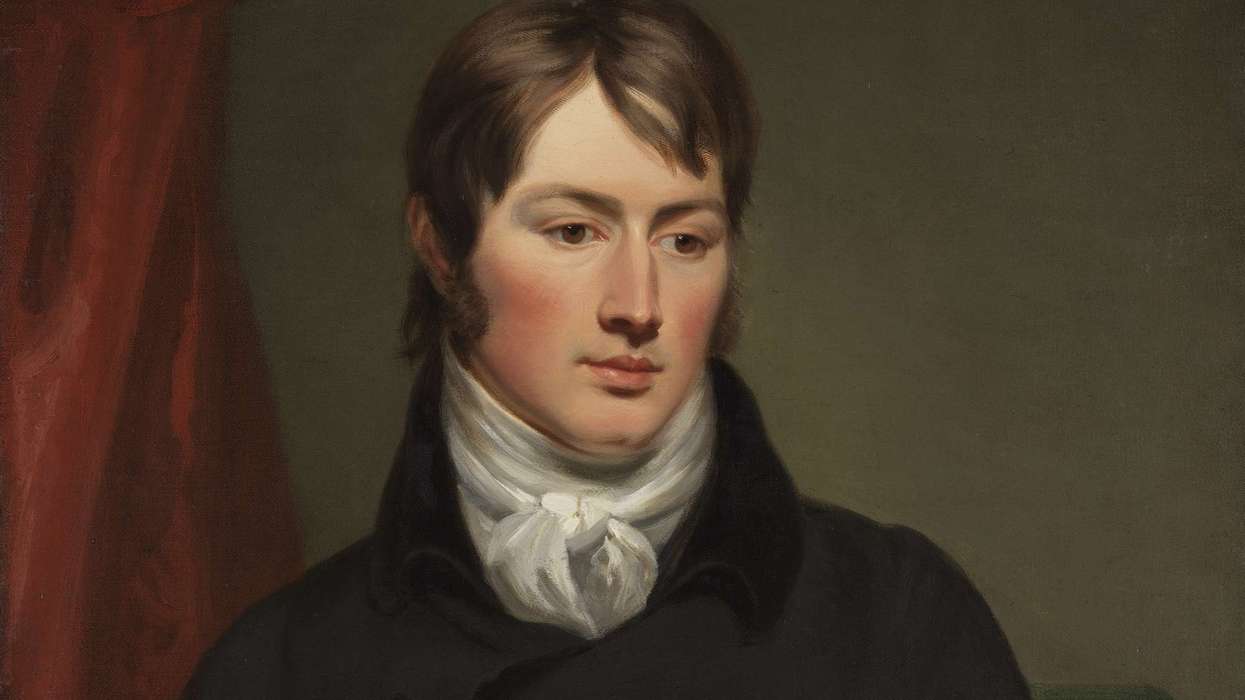
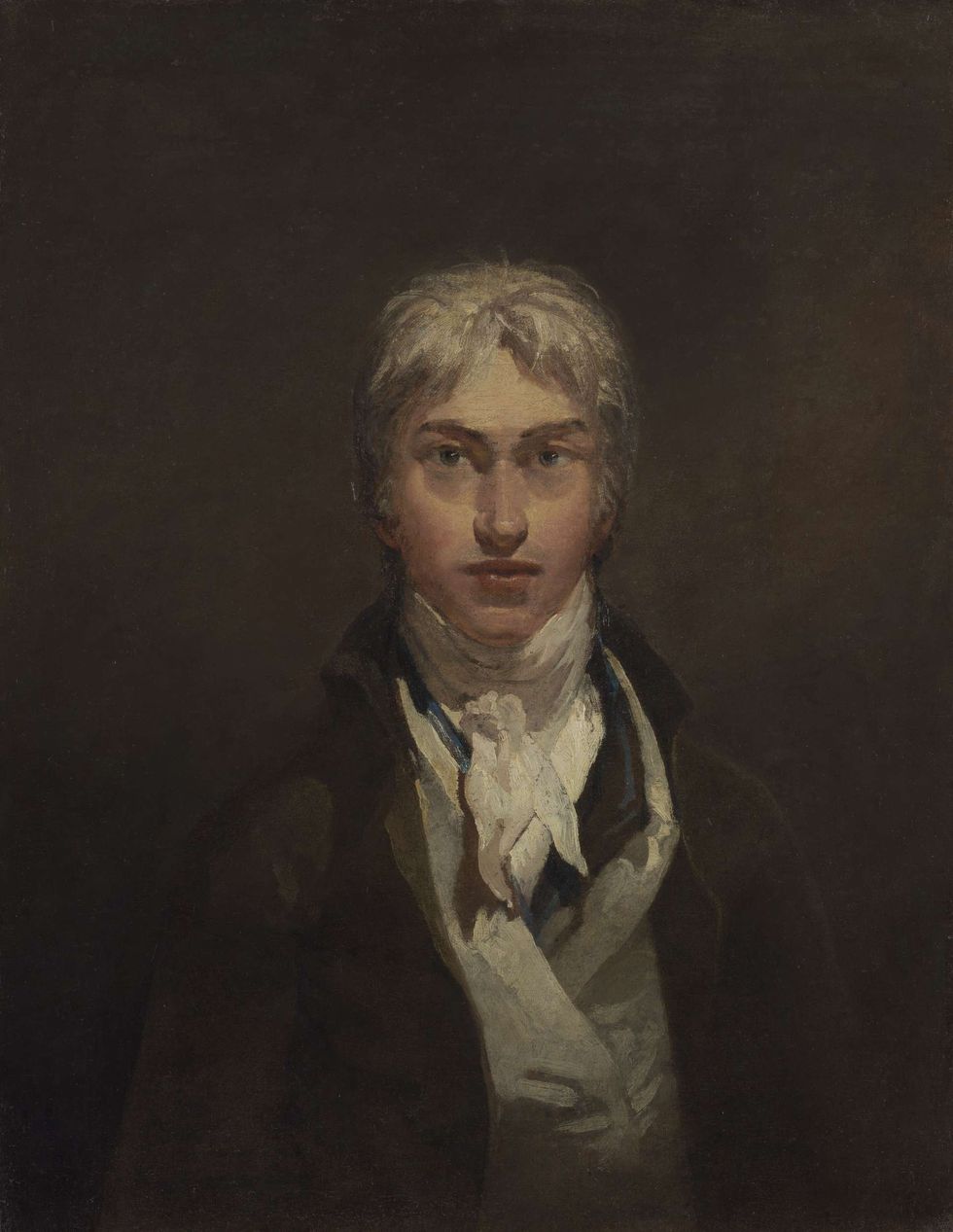 JMW Turner, Self Portrait (1799)Tate
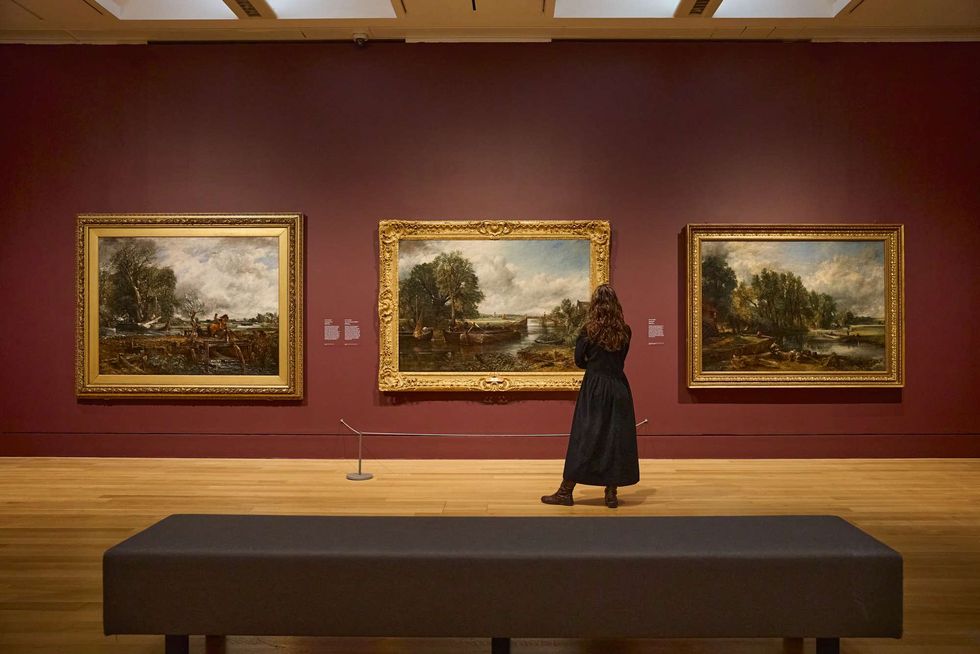 Turner and Constable at Tate Britain.Tate Photography (Yili Liu)
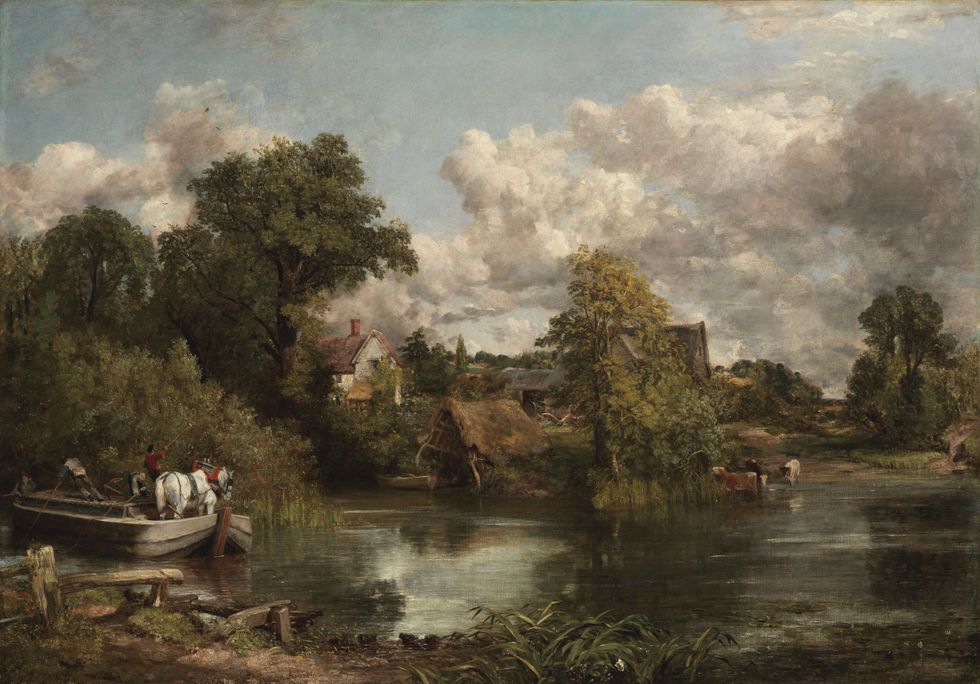 John Constable, The White Horse, (1819)The Frick Collection
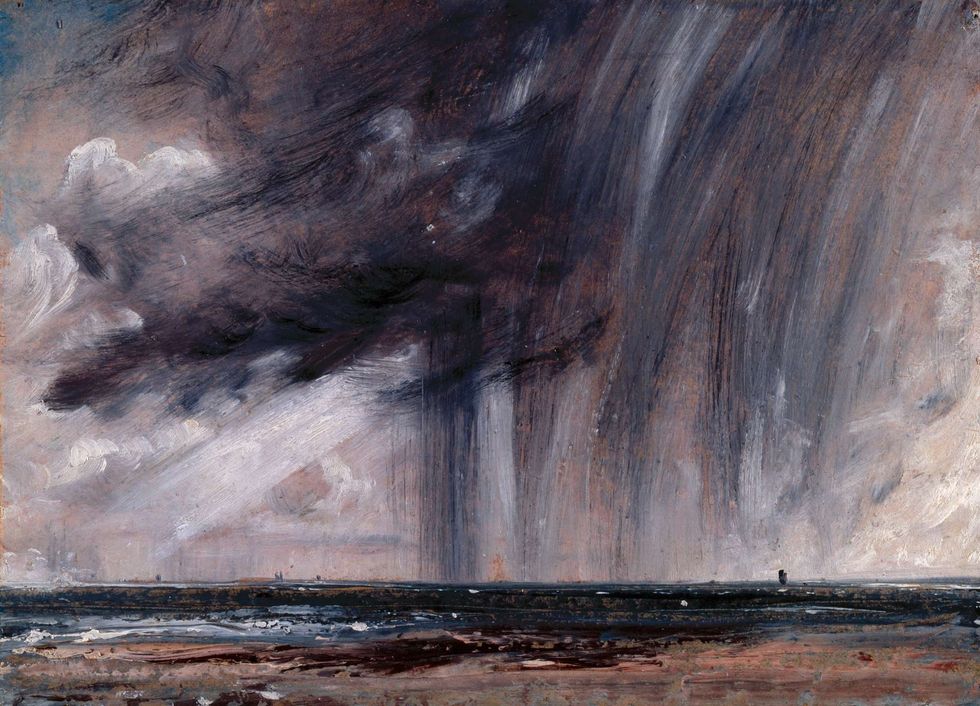 John Constable RA, Rainstorm over the SeaTate
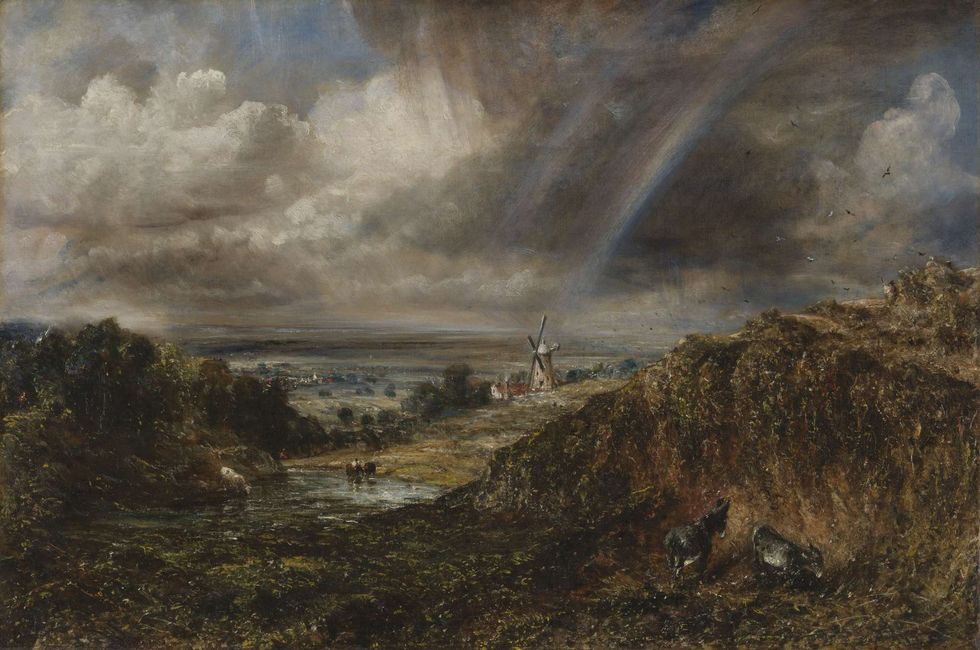 John Constable, Hampstead heath with a Rainbow, (1836)Tate
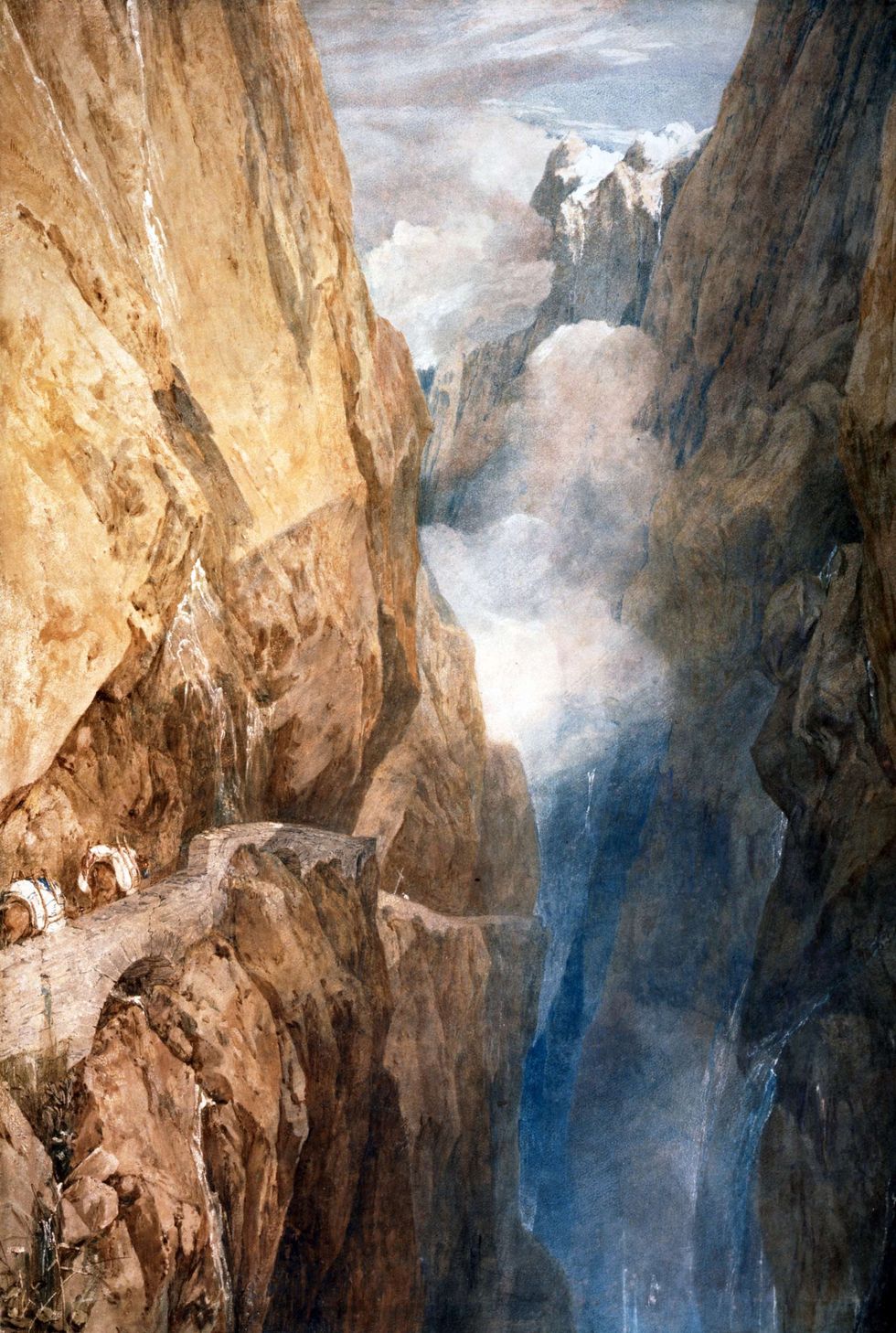 JMW Turner, The Passage of Mount St Gothard from the centre of Teufels Broch, 1804. Tate
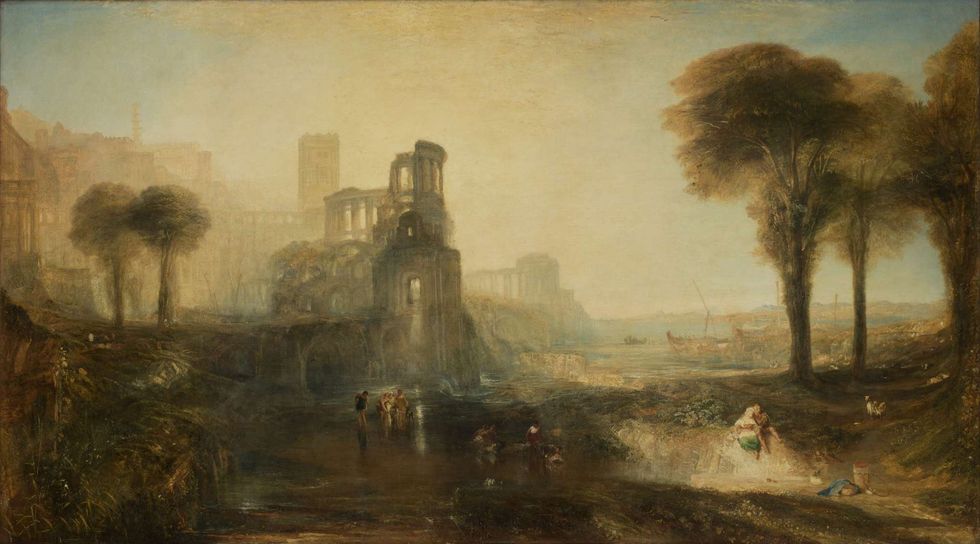 JMW Turner, Caligula's Palace and Bridge (1831)Tate
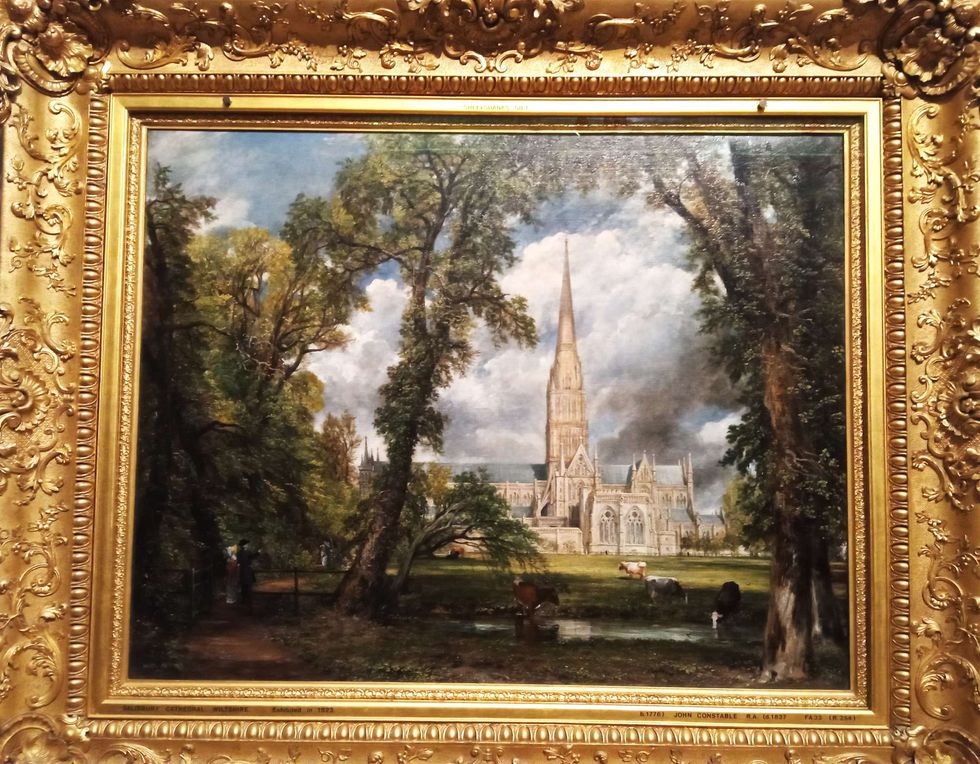 Constable's Salisbury Cathedral Amit Roy
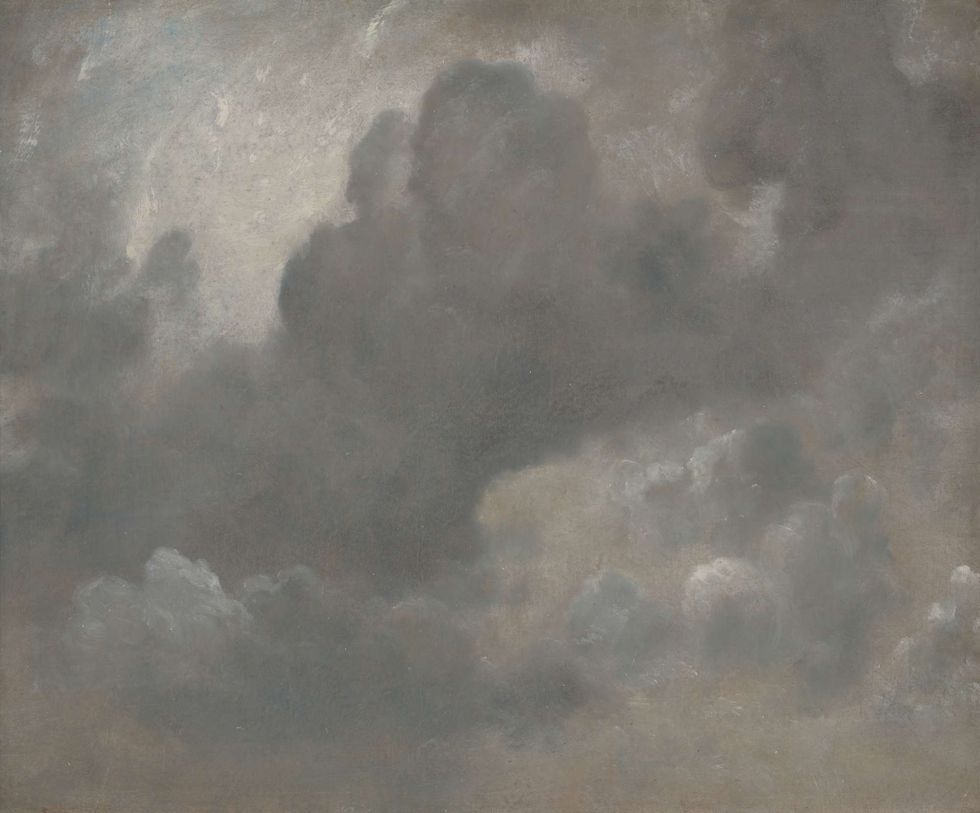 John Constable, Cloud Study (1822) Tate
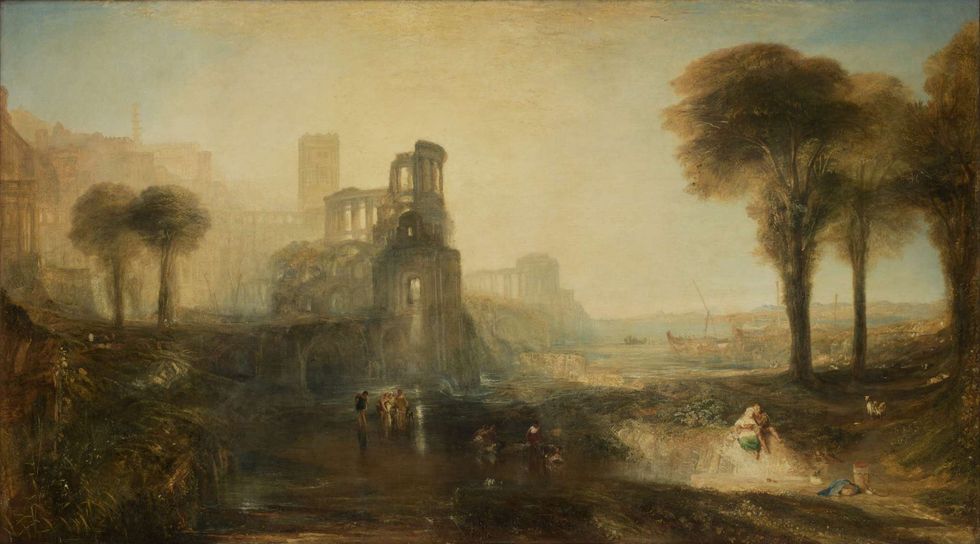 JMW Turner, Caligula's Palace and Bridge (1831)Tate
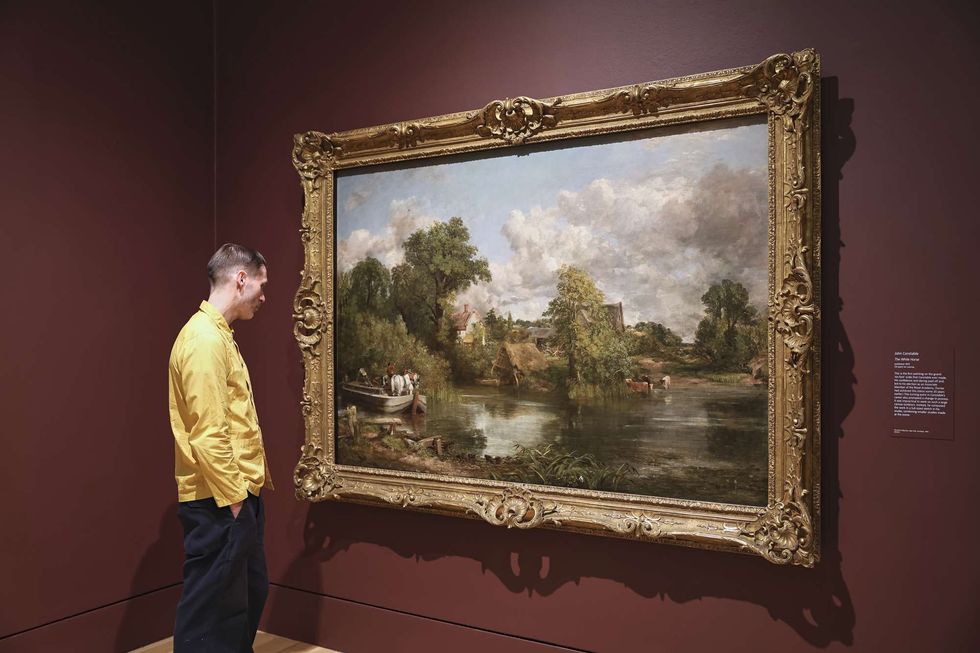 A view from the exhibition Tate
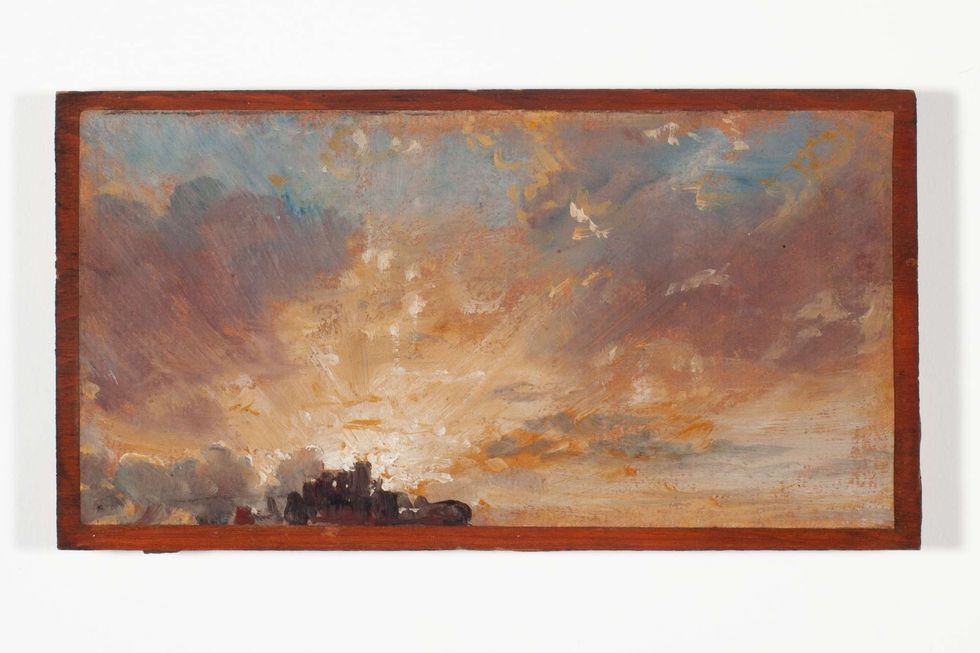 John Constable, A Vivid SunsetTate
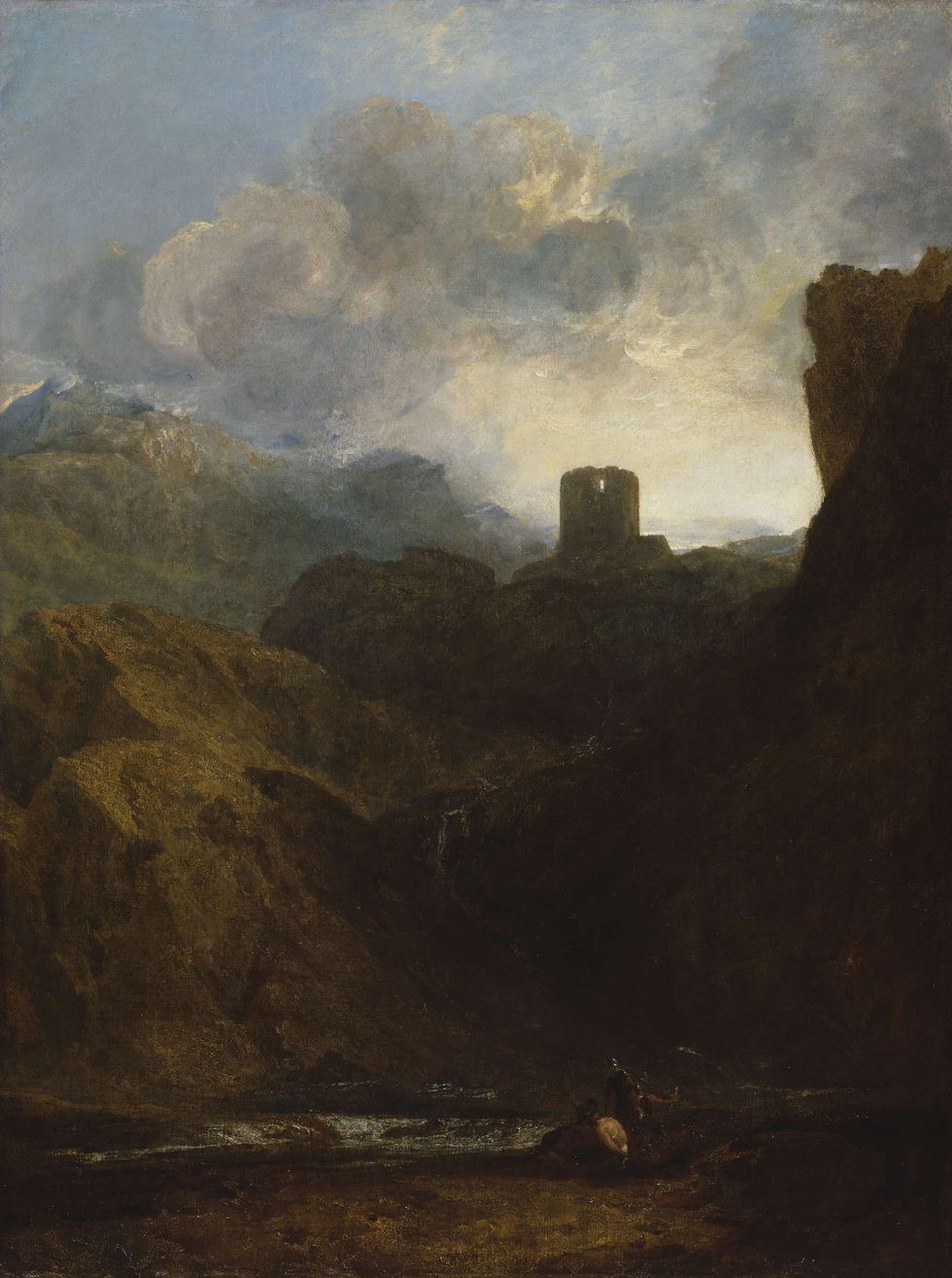 JMW Turner, Dolbadern Castle, North Wales (1800)Royal Academy of Arts, London
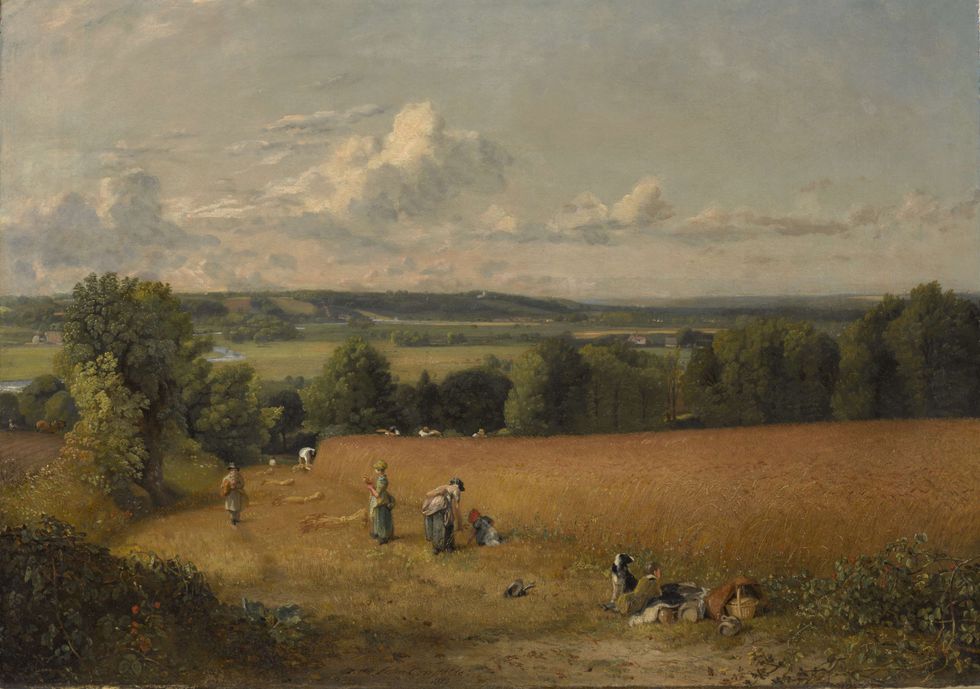 John Constable, The Wheatfield Clark Art Institute