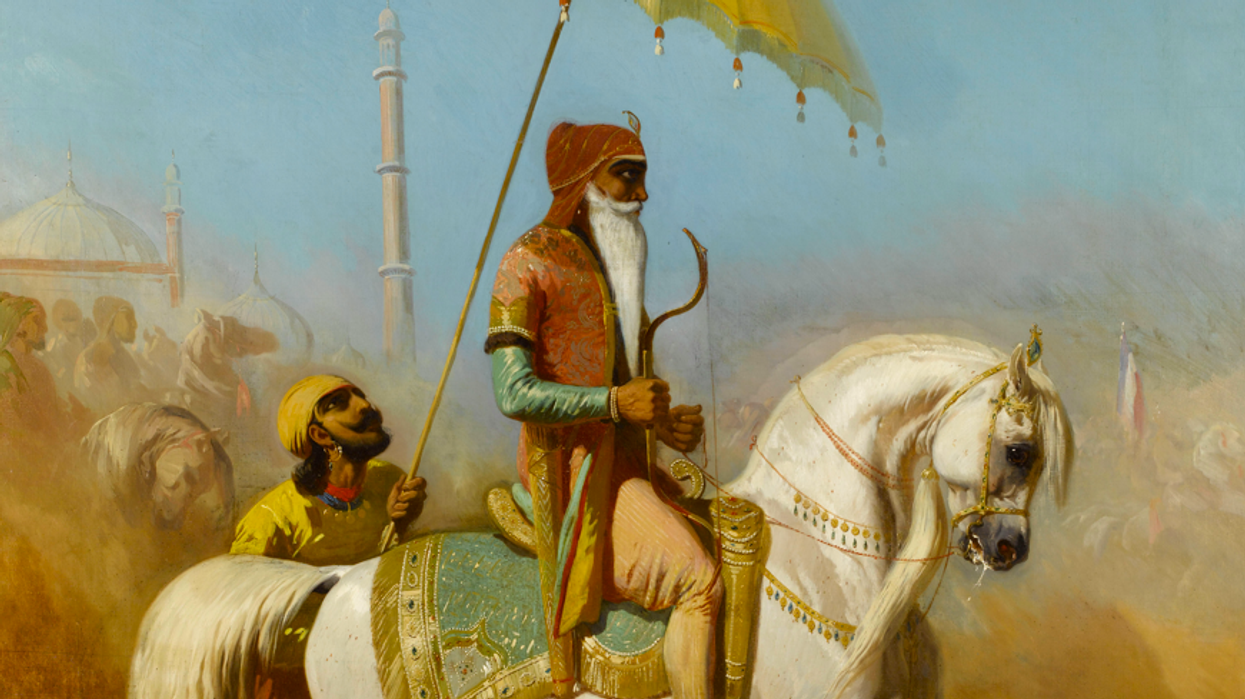

LONDON’S Wallace Collection will unveil its latest exhibition dedicated to Sikh ruler Maharaja Ranjit Singh, who emerged as the undisputed king of Punjab by the turn of the 19th century.
His rapid ascent to power in an era marked by instability following Afghan invasions heralded the birth of the Sikh empire in the Indian subcontinent.
Titled “Ranjit Singh: Sikh, Warrior, King,” the new exhibition delves into the extraordinary life and legacy of the leader (1780-1839) who founded the Sikh Empire (1799-1849).
It has been curated by Dr Xavier Bray, director of the Wallace Collection, in collaboration with Sikh art scholar Davinder Toor.
On display will be an array of weaponry, miniature paintings and jewellery from the Sikh Empire, sourced from both public and private collections.
At the heart of the exhibition lies the story of Singh’s remarkable reign, characterised by flourishing trade, thriving arts and the development of a formidable military force.
Visitors can explore historic artefacts from Singh’s court, including those belonging to his family members, such as Maharani Jind Kaur and Maharaja Duleep Singh.
Sikh arms and armour from the Wallace Collection will take centre stage, with the exhibition marking the first time these items go on display at the museum.
Among the highlights is a sword believed to have once belonged to the maharaja himself, embellished with gold and gemstones.
Artistic masterpieces include a miniature painting of Singh and his favourite, Raja Hira Singh, to be displayed publicly for the first time from the Toor Collection.
Additionally, visitors will have the chance to see the golden throne crafted by Hafez Muhammad Multani for Singh, symbolising the opulence of his court.
Singh’s ascent to power amid the backdrop of revolutionary fervour in the late 18th-century Punjab region reflects his indomitable spirit.
Overcoming adversities such as smallpox and sight loss, he consolidated his rule, expanding his territories from the Khyber Pass to the borders of Tibet.
While celebrated for his military prowess, Singh also fostered political alliances and patronised the arts, ushering in an era of peace and prosperity, religious tolerance and multiculturalism.
His enduring legacy earned him the epithet “Sher-e-Punjab” (Lion of Punjab) from his subjects.
Despite tensions with the British East India Company, Singh maintained cordial relations while modernising his army with European assistance. He was revered by foreign admirers as the “Napoleon of the East”.
Ahead of the opening on Wednesday (10), after Eastern Eye went to press, Bray said, “These works of art deserve to be better known by the public, and I am thrilled that they will be in the spotlight as we tell the incredible story of Ranjit Singh.”
Toor added, “This exhibition brings to light many works hitherto unseen, highlighting a shared heritage that holds an enduring power to inspire.”
The exhibition runs till October 20.





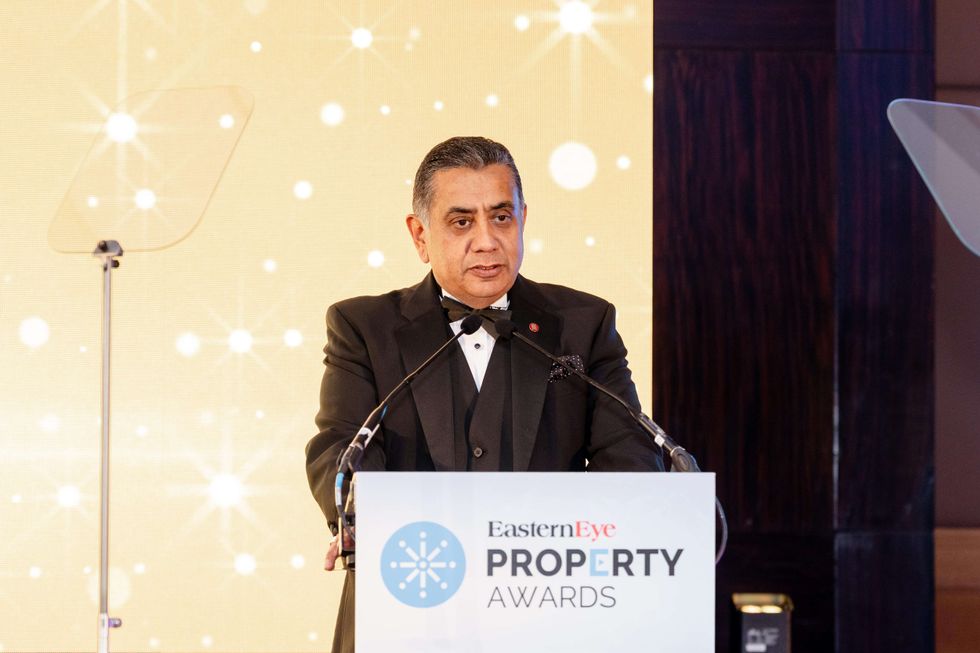 Lord Tariq AhmadEastern Eye
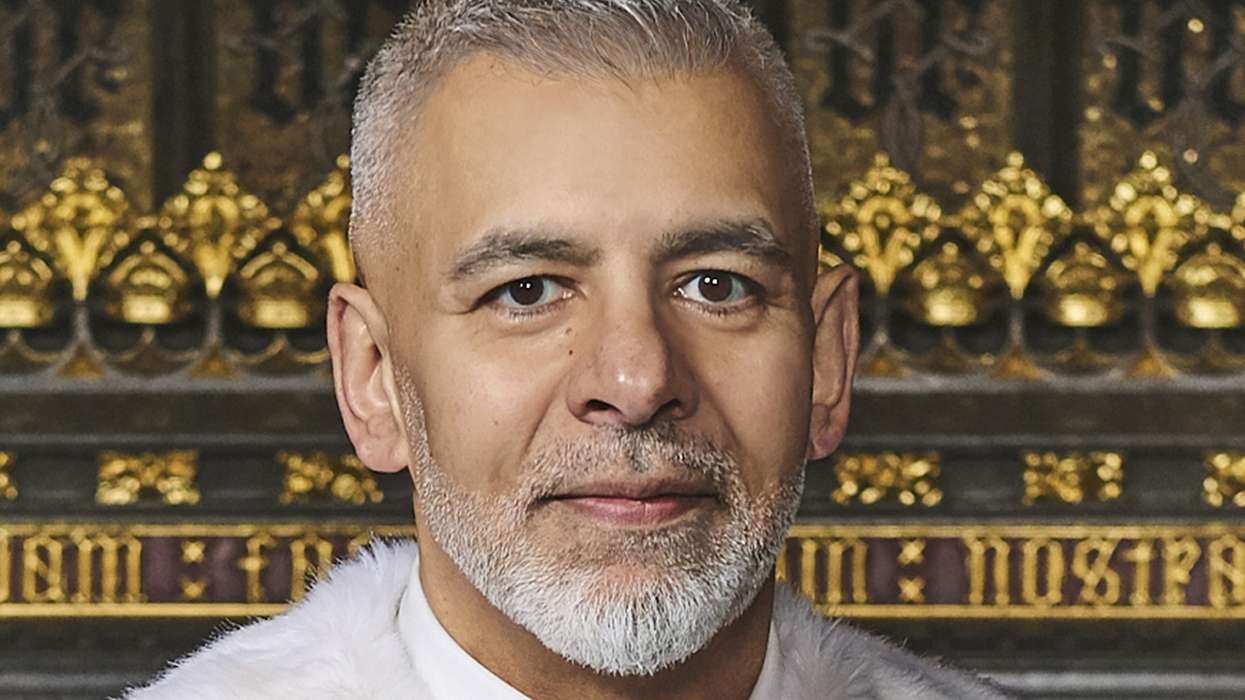 Lord Krish Raval Lord Krish Raval
  Pavita CooperEastern Eye
 Seema MalhotraUK Parliament
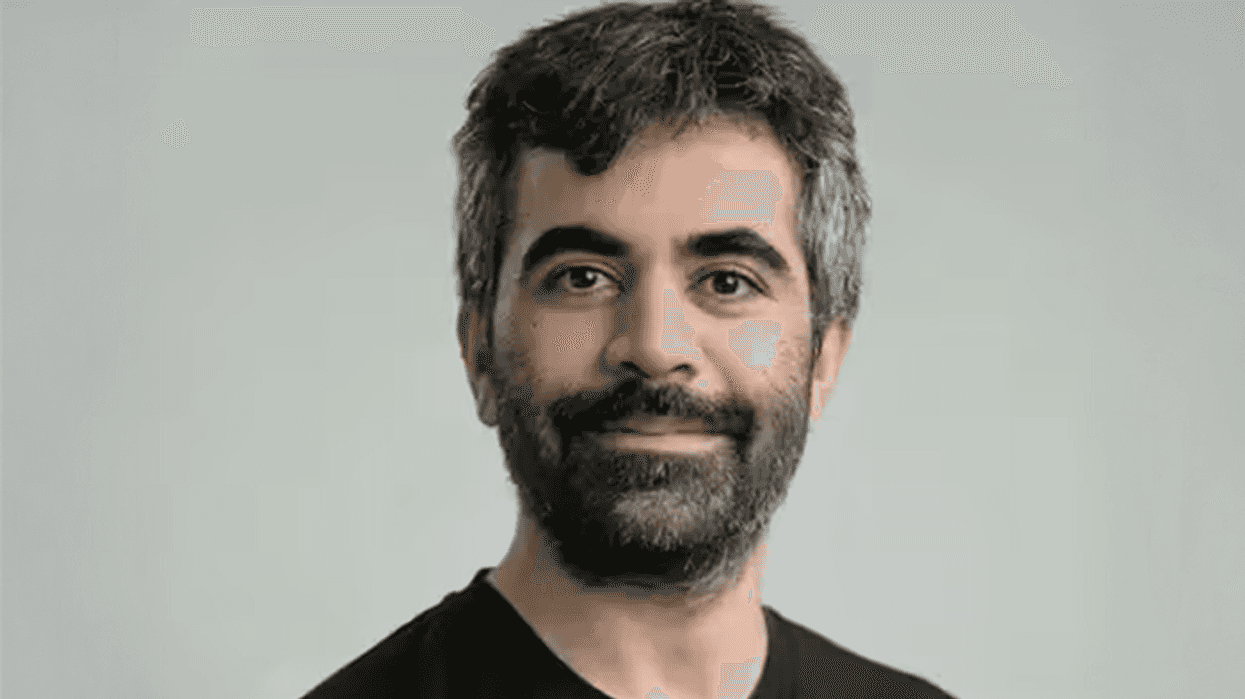 Herman Narula