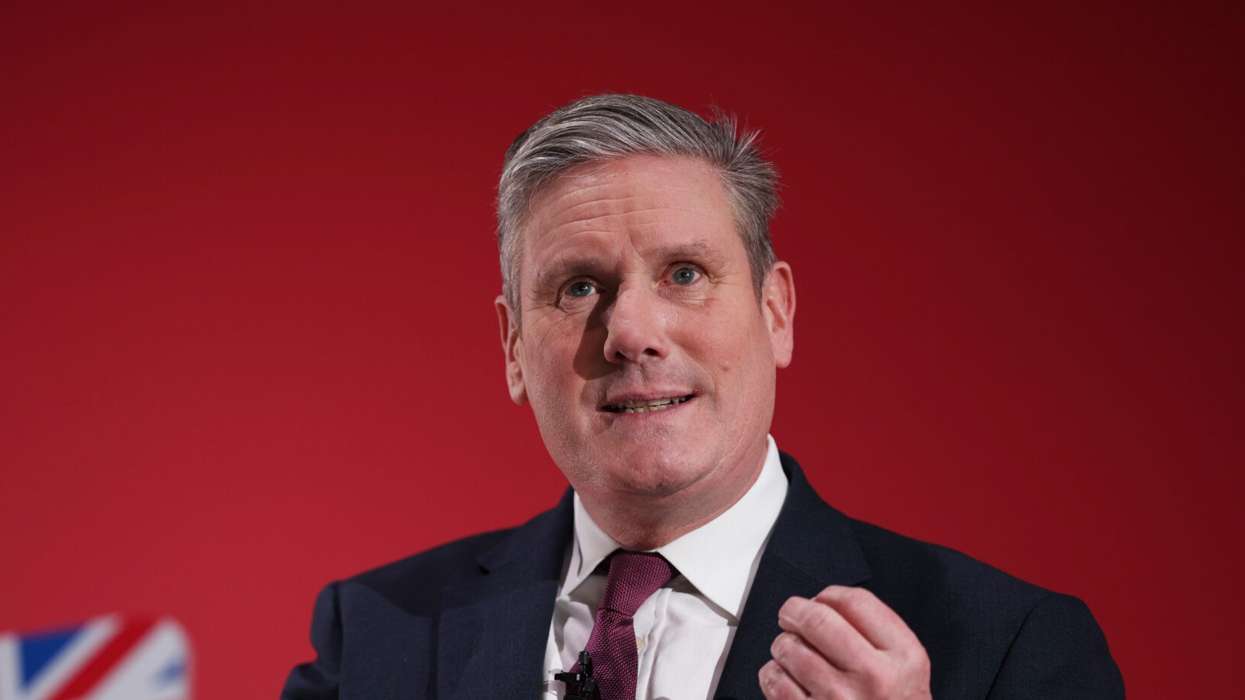

PRIME MINISTER Keir Starmer will travel to the Gulf on Wednesday to meet regional leaders and discuss efforts to sustain the ceasefire between the United States and Iran, and ensure the reopening of the Strait of Hormuz.
“I welcome the ceasefire agreement reached overnight, which will bring a moment of relief to the region and the world,” Starmer said in a statement.
“Together with our partners, we must do all we can to support and sustain this ceasefire, turn it into a lasting agreement and re-open the Strait of Hormuz.”
The visit had been planned before the ceasefire was announced. Downing Street said the talks would focus on diplomatic efforts to support and uphold the ceasefire, with the aim of reaching a lasting resolution and protecting the UK and global economy.
ALSO READ: Iran defies US deadline on Hormuz; oil prices rise amid ongoing attacks
The Strait of Hormuz has been largely closed since the US-Israeli war against Iran began on February 28, affecting global supplies of oil, liquefied natural gas and fertiliser. Tehran has now agreed to temporarily reopen the route as part of a two-week ceasefire deal reached with Washington shortly before a deadline set by Donald Trump.
The agreement came less than an hour before Trump’s deadline to launch further strikes on Iran. He described the deal as a “total and complete victory” for the US.
Iran also called the outcome a victory. A statement from its Supreme National Security Council said, “The enemy has suffered an undeniable, historic and crushing defeat in its cowardly, illegal and criminal war against the Iranian nation.”
“Iran achieved a great victory.”
Iran’s Foreign Minister Abbas Araghchi confirmed that ships would be allowed safe passage through the Strait of Hormuz for two weeks. “If attacks against Iran are halted, our Powerful Armed Forces will cease their defensive operations,” he said.
ALSO READ: West Asia war: US jet downed in Iran as strikes continue across region
Trump had earlier said he would suspend attacks if Iran agreed to the “COMPLETE, IMMEDIATE, and SAFE OPENING of the Strait of Hormuz”. He later said the US would “be helping with the traffic buildup in the Strait of Hormuz”.
The ceasefire has been welcomed internationally, though concerns remain about its durability. United Nations chief Antonio Guterres called on all sides to “pave the way towards a lasting and comprehensive peace”.
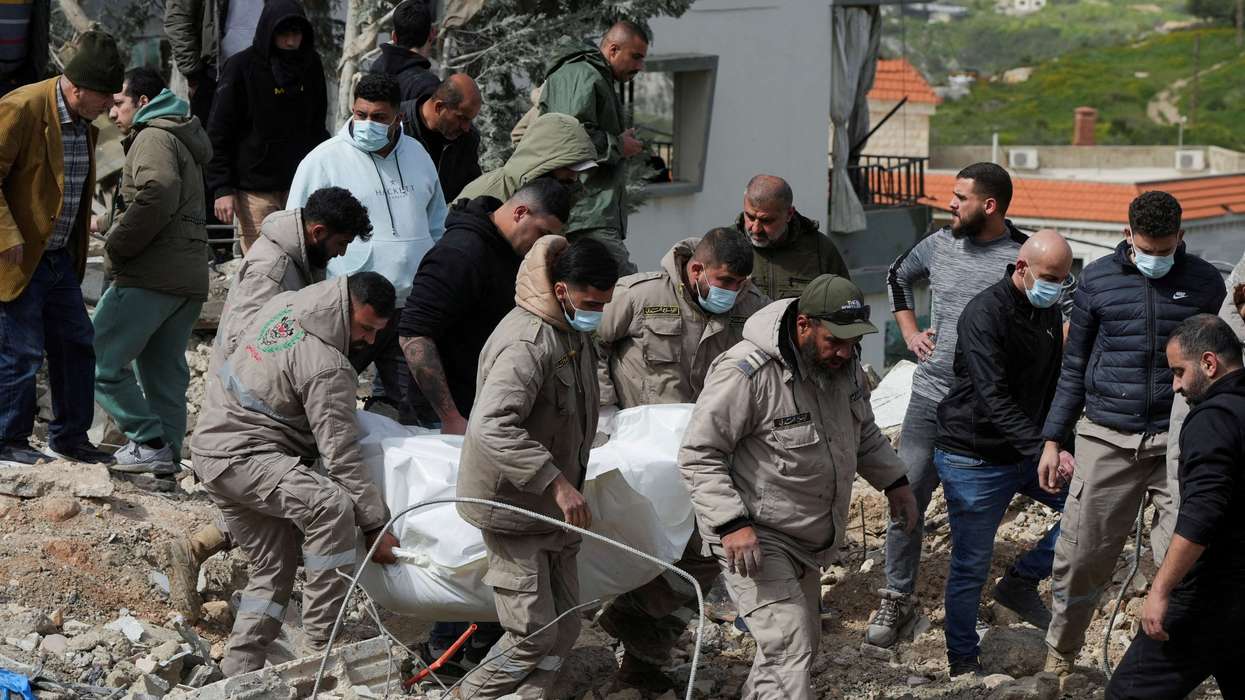
There were reports of explosions in Manama in Bahrain on Wednesday, with authorities blaming “Iranian aggression”. At the same time, Israel continued military operations in Lebanon, with Prime Minister Benjamin Netanyahu saying the ceasefire does not apply there.
Israel said its earlier strikes targeted infrastructure used by Iran’s Revolutionary Guards. Iran had responded during the conflict with drone and missile attacks on Gulf states hosting US forces.
Ahead of the visit, Britain hosted meetings involving allies. A virtual meeting of military planners from more than 30 countries examined options for an international coalition to secure safe access to the strait. A separate UK-led diplomatic meeting last week brought together around 40 countries to discuss the issue.
ALSO READ: Iran fires missiles at Israel; Trump says US has not started 'destroying what’s left'
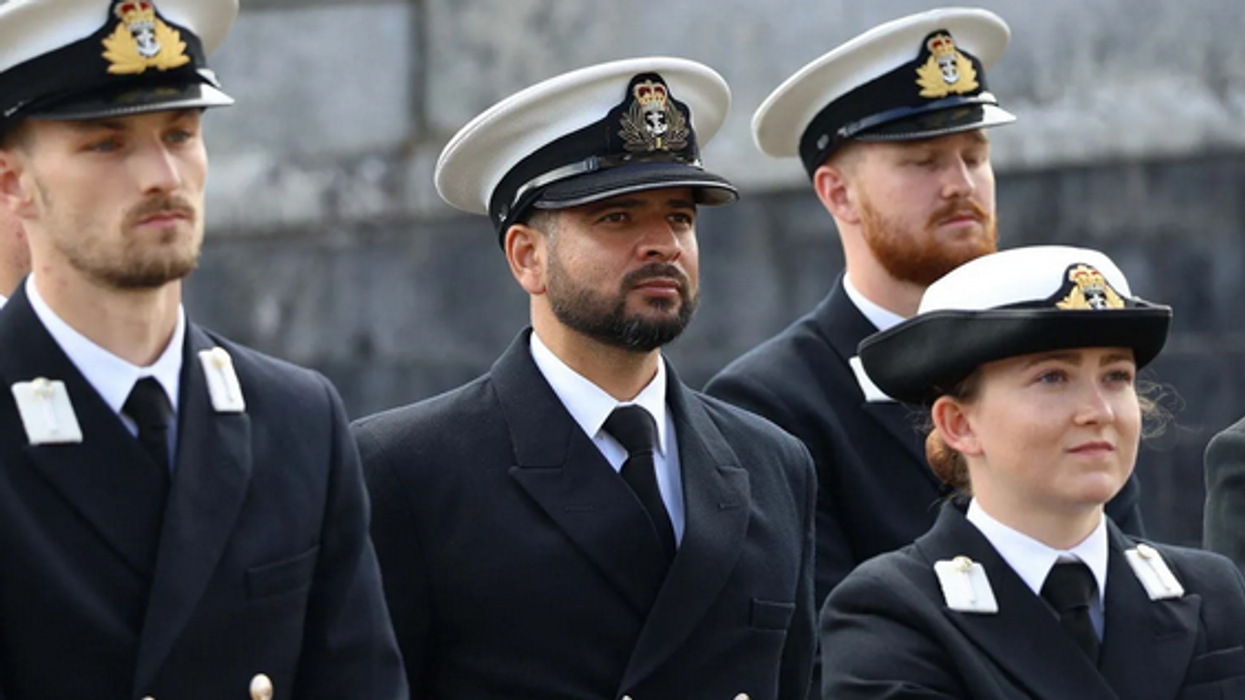
British armed forces intercepted more than 110 drone attacks during the conflict, while the Royal Air Force carried out more than 1,600 hours of defensive operations, according to Downing Street.
Foreign Secretary Yvette Cooper also spoke with US Secretary of State Marco Rubio about diplomatic steps to secure the reopening of the waterway.
The ceasefire had an immediate impact on markets. Oil prices fell by more than 17 per cent, while European natural gas dropped 20 per cent. Stock markets in Asia rose in early trading.
Trump said the United States was “very far along” in negotiating a longer-term agreement with Iran, which he said had submitted a 10-point plan that was “workable”. Iran’s publicly stated positions included lifting US sanctions, asserting control over the strait and removing US forces from the region, as well as maintaining its uranium enrichment programme.
Trump said the nuclear issue would be addressed. “That will be perfectly taken care of, or I wouldn't have settled,” he said, without giving details.
ALSO READ: Iran threatens further attacks after Trump warning
He declined to say whether he would return to earlier threats if the deal collapsed. “You're going to have to see,” he said.
The United Arab Emirates also reacted, with presidential adviser Anwar Gargash saying: “The UAE emerged victorious from a war we sincerely sought to avoid.”
Oman, which had mediated earlier talks between Washington and Tehran, said efforts should be intensified “to identify solutions capable of resolving the crisis at its roots”.
Starmer said the priority now was to ensure the ceasefire holds and to reopen the Strait of Hormuz. “Together with our partners, we must do all we can to support and sustain this ceasefire, turn it into a lasting agreement and re-open the Strait of Hormuz.”