
Highlights
- JLR produced only 59,200 cars in final quarter of 2025 compared to 104,400 previous year, down 43 per cent due to cyber attack fallout.
- Operations halted globally for five weeks from September after August breach described as Britain's most expensive cyber attack.
- Retail sales plummeted 25 per cent to 79,600 vehicles; company preparing to launch £100,000+ electric Jaguar saloon later this year.
Car production at Jaguar Land Rover plummeted by 45,000 vehicles in the final quarter of 2025 as the British automotive giant struggled with the aftermath of what experts have described as the most expensive cyber attack in British history.
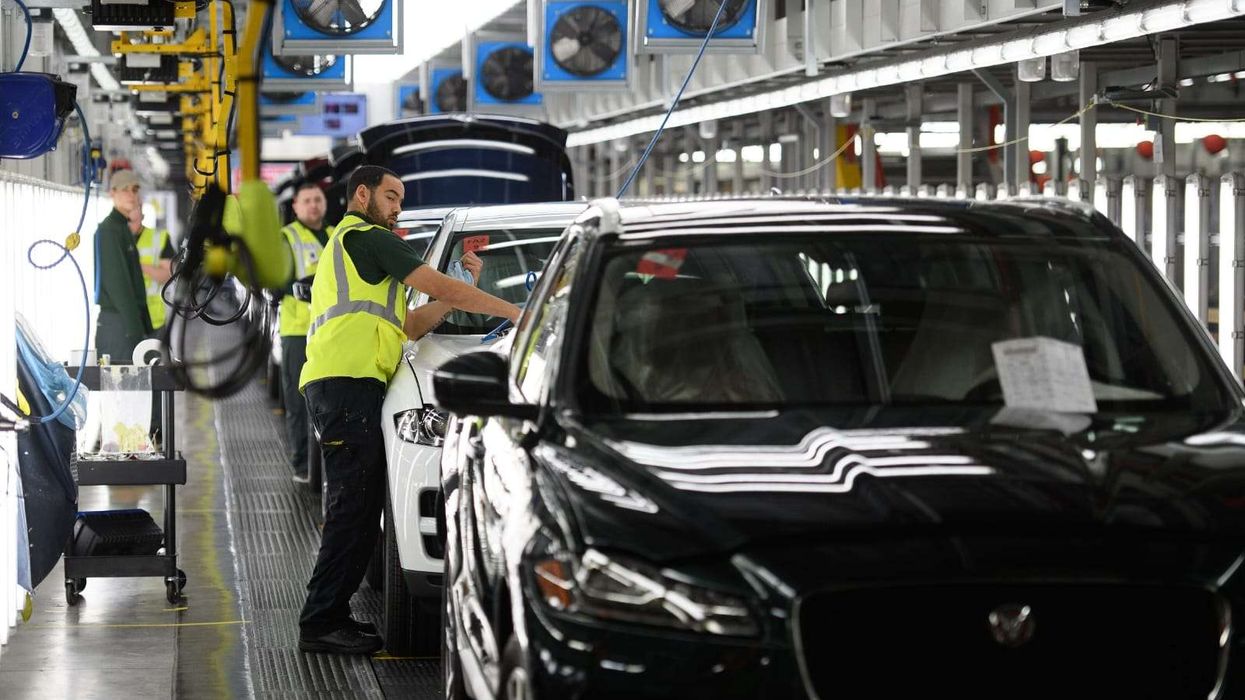
The company revealed total output in the three months to December was down 43 per cent compared to last year, despite restarting factory lines in the second week of October. JLR produced just 59,200 cars in the final quarter of 2025, compared to 104,400 the previous year.
Bosses confirmed JLR's output did not return to "normal levels" until mid-November, underscoring the scale of the challenge in fully restoring operations following the August cyber attack.
The breach forced management to shut down all of JLR's global computer systems at the end of August after discovering the security compromise.
Vehicle production came to a complete halt on September (1) with JLR unable to resume global operations until five weeks later. Showrooms, repair shops, logistics chains and thousands of suppliers were thrown into disarray during the shutdown period.
Sales and recovery
Retail sales figures published this week revealed the full extent of the disruption, plunging 25 per cent to 79,600 in the quarter.
JLR attributed the decline to the production shutdown and "the time required to distribute vehicles globally once produced," alongside "the planned wind down of legacy Jaguar models" and "incremental US tariffs."
Natarajan Chandrasekaran, chairman of JLR's parent company Tata Motors, warned in an annual open letter that the attack demonstrated technology's vulnerabilities for large corporations.
"JLR's cybersecurity attack emphasised that while growth is a focus, resilience has to be a long-term theme – whether it is from a value chain point of view or from a technological angle," he told The Telegraph.
"With heightened vulnerabilities, the question is not simply whether shocks will happen, it is also about how well we can recover from shocks."
The company has been phasing out old Jaguar models, including the F-Pace luxury SUV, ahead of relaunching the marque with an all-electric lineup.
A pink concept car revealed in late 2024 divided opinion, with the design boss removed from his role last month.
JLR is now preparing to start production of its first battery-powered model later this year, a four-door saloon expected to sell for more than £100,000.