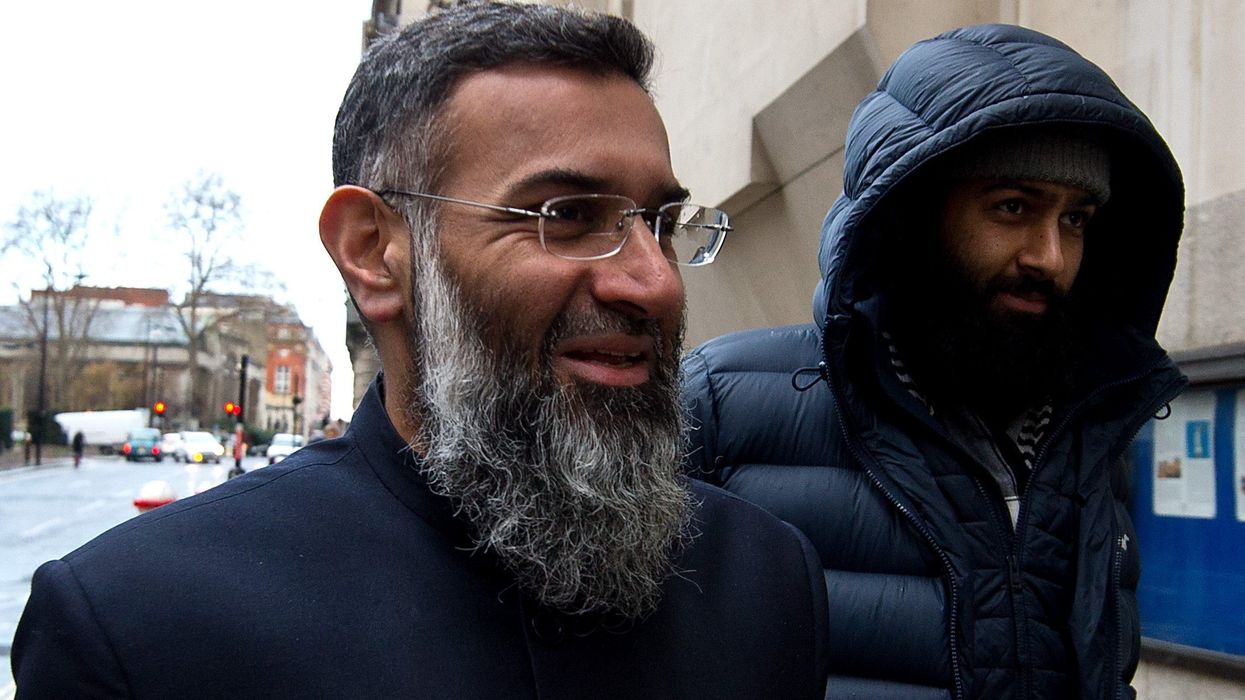

British radical Islamist preacher Anjem Choudary, aged 56, was arrested, in London, last week, and today, Monday (24) the police announced that he has been charged with three terrorism offences.
The charges against Choudary include membership of a proscribed organisation, directing a terrorist organisation, and addressing meetings to encourage support for a proscribed organisation, police said.
He is scheduled to appear in court in London on Monday (24) to face these charges.
Once Britain's most high profile Islamist preacher, Choudary was imprisoned in Britain in 2016 for encouraging support for Islamic State before being released in 2018 after serving half of his five-and-a-half year sentence.
Choudary, former head of the now banned organisation al-Muhajiroun, drew attention for praising the men responsible for the 9/11 attacks on the US and saying he wanted to convert Buckingham Palace into a mosque.
His followers have been linked to numerous plots across the world.
A 28-year-old Canadian man, Khaled Hussein, has also been charged with membership of a proscribed organisation after being arrested on the same day as Choudary when he arrived on a flight at Heathrow Airport, police said.
(Reuters)