Irish prime minister Leo Varadkar said he had been reassured by British prime minister Theresa May that her plan to form a government with support from a Northern Irish party would not destabilise power in the province.
May, who lost her parliamentary majority in a June 8 election, is seeking backing from the Democratic Unionist Party and its 10 lawmakers to get legislation through parliament, including the bills needed to enact Britain's divorce from the EU.
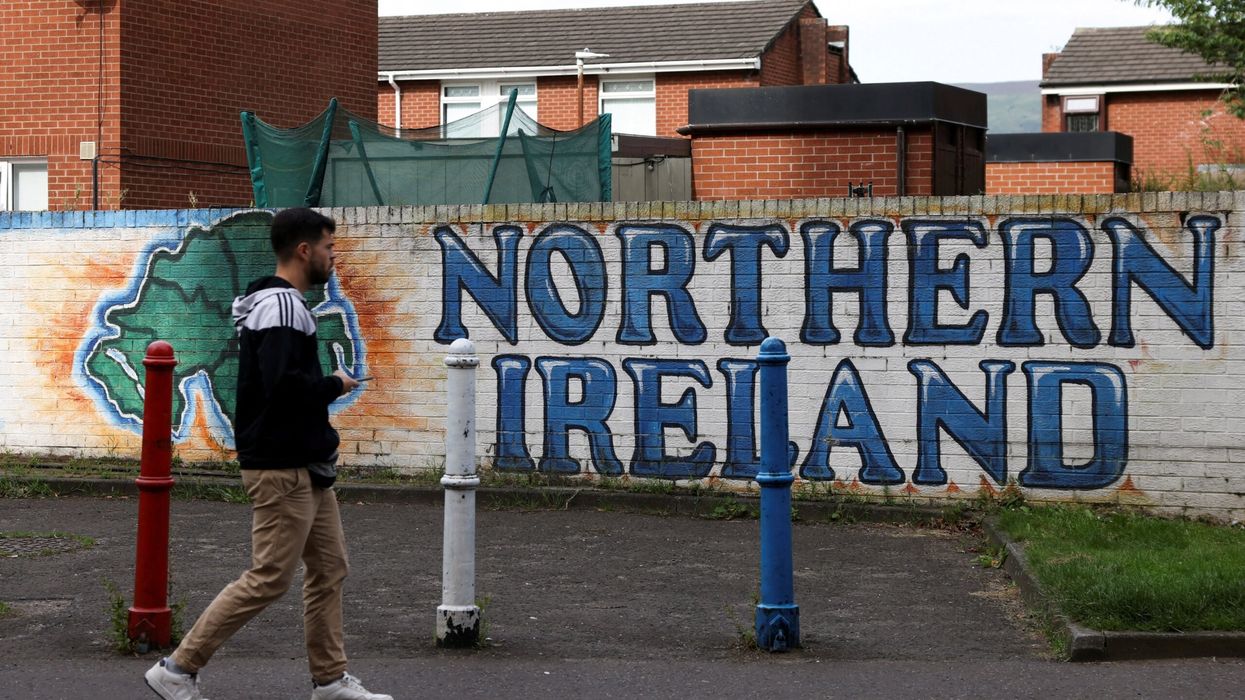
Some political leaders in Northern Ireland fear a tie-up between the two could unsettle politics in Britain's smallest province, where pro-British unionists share power with Irish nationalists following a 1998 peace deal that ended three decades of sectarian violence.
Varadkar, at a news conference with May in Downing Street, said both the British and Irish governments needed to be impartial actors in relation to Northern Ireland's power-sharing arrangements, which are currently stalled.
"I was very much reassured by what the prime minister had to say that the agreement, once it's reached, would be published so it would be there for everyone to see," he said.
"We spoke about the very important need for both governments to be impartial actors when it comes to Northern Ireland, and also that we are co-guarantors to the Good Friday Agreement and that any agreement that may exist between the Conservative Party and the DUP should not in any way impact on the Good Friday Agreement.
"I was very reassured by the prime minister (who) said to me today that that would be the case."
May, who said that talks with the DUP were ongoing, and Varadkar also reiterated that they wanted the border between Northern Ireland and the Republic of Ireland to be as seamless as possible once Britain has left the EU.
The border between Northern Ireland, which is part of the United Kingdom, and the Republic of Ireland, an EU member, will become the only land frontier between the UK and the EU after Britain exits the bloc in March 2019.
At a separate briefing in Belfast, Simon Hamilton, a senior DUP member of the Northern Irish Assembly, said discussions were ongoing in London. "They will take as long as they take," he told reporters, when asked if they could be completed by this week.