
Highlights
- First digital census covers 36 states and nearly 640,000 villages.
- Includes politically sensitive caste enumeration after decades of debate.
- Delayed since 2021 due to pandemic and administrative scheduling.
More than three million officials will spend the next year reaching every corner of a country where 1.4 billion people live. This represents India's 16th census overall and the eighth since gaining independence in 1947.
The scale of the operation is staggering: it covers 36 states and federally-administered territories, over 7,000 sub-districts, more than 9,700 towns and nearly 640,000 villages.
The last census took place in 2011. The 2021 count got pushed back first because of the coronavirus pandemic, then further delayed due to administrative work and election scheduling.
This marks the first time the ten-yearly exercise has missed its planned timeline. The census breaks new ground by going completely digital. For the first time, officials will use mobile apps to gather and upload information.
Modern methods, traditional questions
People can also register themselves online through a website available in 16 languages, which creates a unique identification number that census workers will later verify.
Census commissioner Mritunjay Kumar Narayan explained the process involves two main phases of physical door-to-door surveys.
The first phase, called the House Listing and Housing Census, asks about living conditions, basic facilities and what households own.
Questions range from whether homes have concrete or thatched roofs to internet access and how many married couples share the space.
The second phase, scheduled for February 2027, will gather detailed information about people themselves - their ages, education levels, where they have moved from, and family planning patterns.
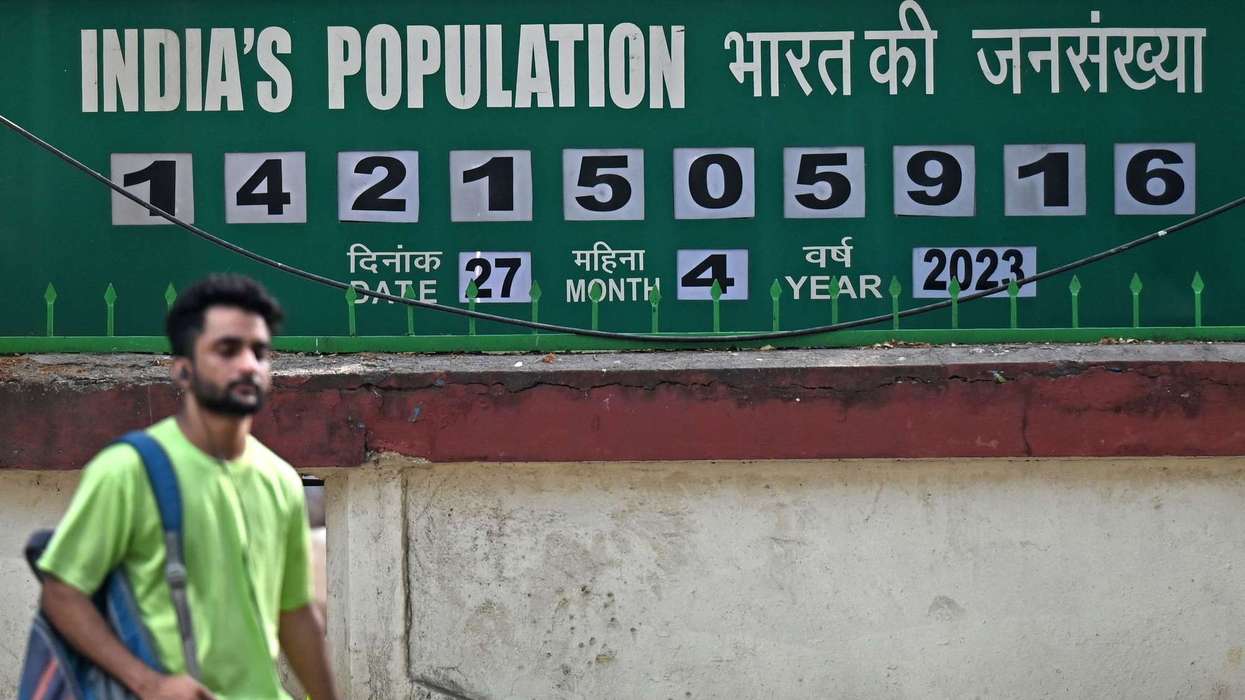
 Without updated data, the government can’t accurately classify areas as rural or urban, as it still relies on 2011 information despite major changesGetty Images
This round will also collect caste data, a topic that stirs strong feelings across India's political landscape.
India overtook China as the world's most populous country in 2023, according to United Nations figures. Yet despite having more than 1.4 billion people, India remains one of the globe's youngest nations.
The median age stands at 28, and nearly 70 per cent of people are of working age. Birth rates have been falling, which shapes how the country plans for its future.
The questionnaire itself tells a story of India's changing priorities. The first attempt in 1872 under colonial rule contained just 17 questions - basically a house register noting who lived where, along with simple details like age, religion, caste and job.
By 1881, when officials conducted the first nationwide census at the same time across the country, the format had settled into asking about identity, social background and basic education.
Questions grew more detailed over the decades. The 1941 census marked a turning point, shifting from just "who you are" to also "how you live".
Officials started asking about fertility, employment, economic dependency, migration and job hunting. After independence, this expanded further to include nationality, land ownership and more work categories.
From the 1970s onwards, the census took on a clearly socio-economic focus. Migration histories, how long people had lived in one place, fertility patterns and detailed job classifications became standard.
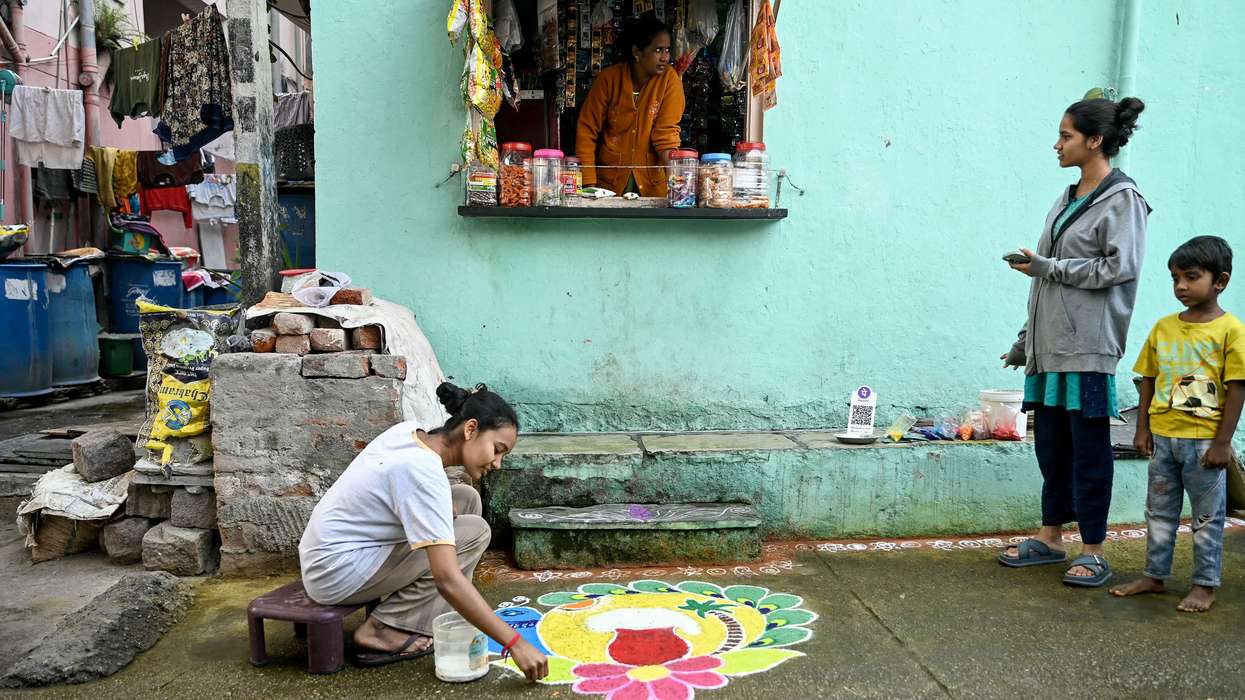
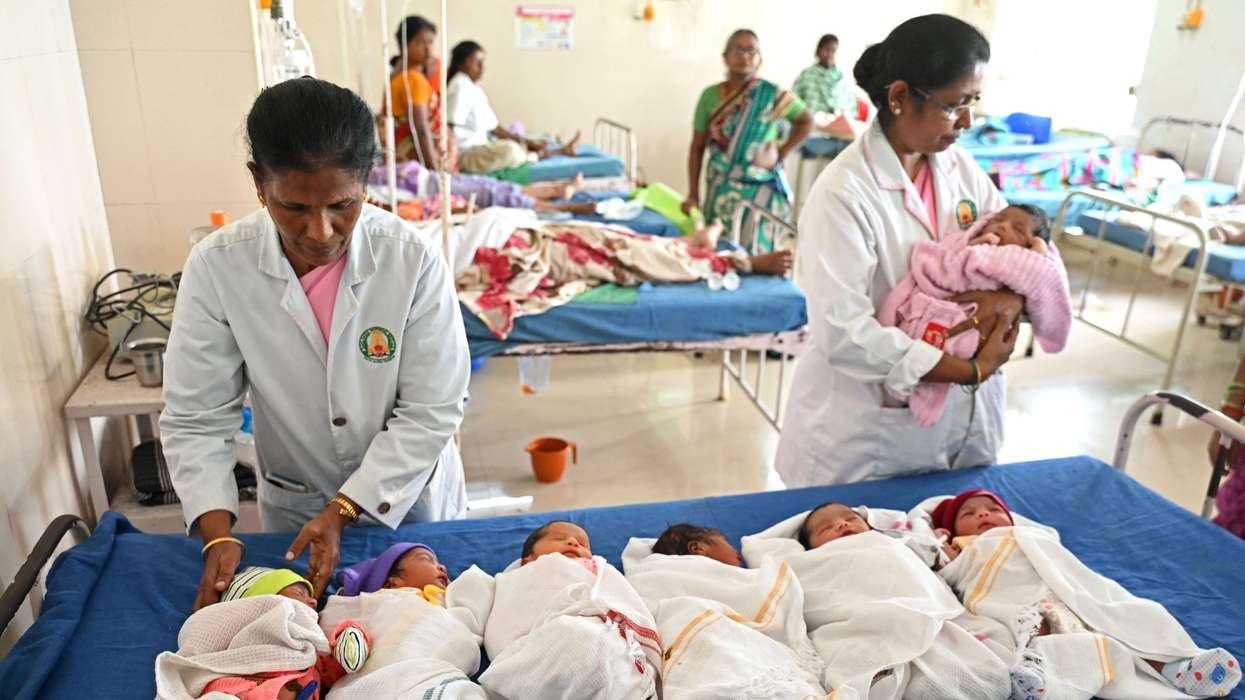 The median age is 28, with nearly 70 per cent of people of working age, while falling birth rates shape future planningGetty Images
Recent censuses in 2001 and 2011 tracked modern economic changes: how people commute to work, the difference between main and occasional work, school attendance and increasingly detailed information about disabilities and family planning.
The latest census even recognises changing social realities. Couples in live-in relationships can now be recorded as married if they view their "relationship as a stable union".
Ashwini Deshpande, an economist at Ashoka University, stresses the census matters for a more basic reason: India has been making policy without recent population figures.
"This census is crucial - it is the definitive snapshot of India, capturing everything from caste and religion to jobs, education and amenities, and offering the most complete picture of how the population lives," Deshpande explained.
Without current data, the government cannot accurately judge which areas count as rural, urban or somewhere in between - classifications that still rest on 2011 information even though many places have transformed since then.
This affects India's vast welfare system. If programmes base eligibility on faulty or outdated numbers, the count of people who should receive help gets misjudged.
Initial rollout begins in selected areas including Andaman and Nicobar Islands, Delhi, Goa, Karnataka, Mizoram and Odisha.
In these regions, online self-registration runs from 1 to 15 April, followed by the house listing survey between 16 April and 15 May.
Several data sets from this digital census will be released soon after collection wraps up next March, officials say.