
Highlights
- 3 million households now skipping meals due to financial strain.
- Consumer confidence drops to -62, lowest since 2022 crisis peak.
- 85 per cent worry about food prices; 80 per cent concerned over fuel costs.
The consumer group's survey, covering the month to 10 April, recorded a sharp decline in consumer confidence to -62. This is the lowest reading since the 2022 cost-of-living crisis.
The figure marks a significant drop from -56 the previous month, reflecting mounting anxiety over household finances.
Middle East conflict and subsequent rises in oil and raw material prices have prompted businesses to prepare price increases, further straining family budgets.
The Which? data shows 71 per cent of adults expect the UK economy to worsen over the next year, while only 9 per cent anticipate improvement.
Households adjust spending
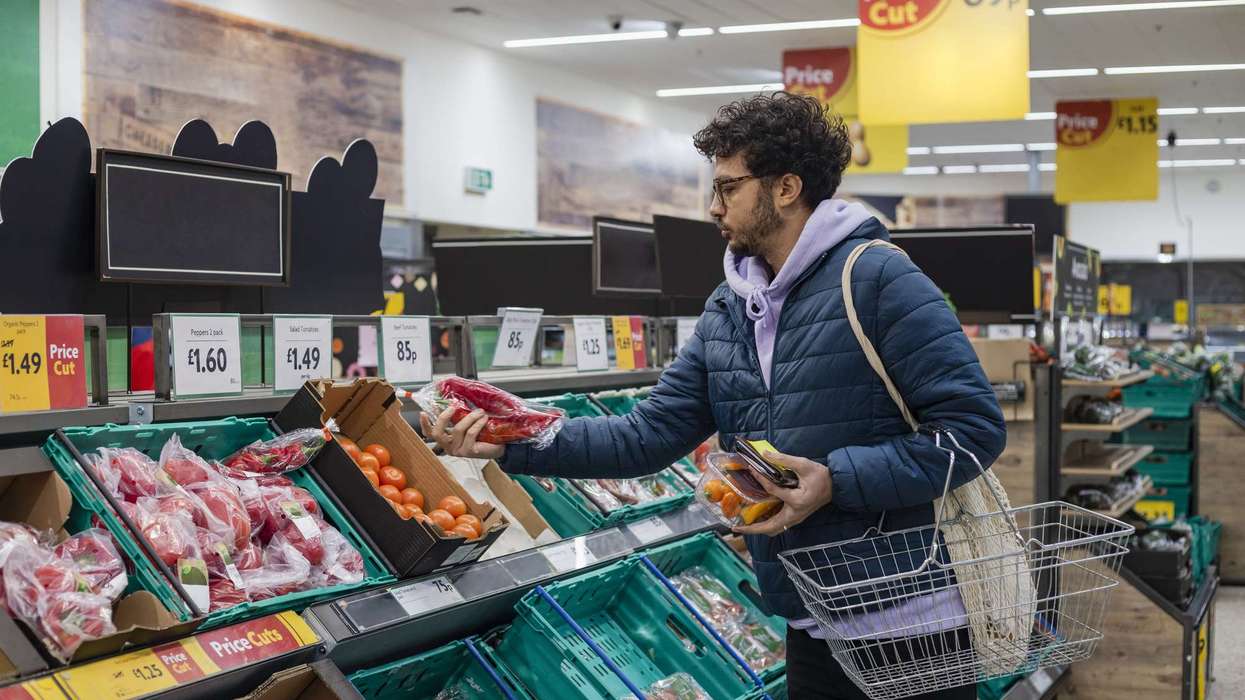
Food price concerns have intensified, with 85 per cent of respondents now worried about grocery costs, up from 83 per cent in February.
One in seven households are going without certain foods entirely, while one in 10 are missing meals altogether.
Shopping habits have shifted dramatically. Some 43 per cent are buying cheaper products, 37 per cent are purchasing more supermarket-branded budget items, and 31per cent are stockpiling sale items.
Fuel price anxiety affects eight in 10 people. This is a substantial increase from one in seven in February. As a result, more than two-thirds of adults have reduced driving, cutting leisure trips and family visits.
Bill payment difficulties are escalating, with missed payments averaging 7.5 per cent over the past three months, compared with 5.7 per cent at the end of 2025.
"Our latest research highlights the deepening strain not only on household finances, but also on people's physical and social wellbeing as cost-of-living pressures bite," said Rocio Concha, Which? director of policy and advocacy.
Which? launched a manifesto in parliament this week calling for urgent policy interventions to address rising costs and improve access to essential items.
"We need to see urgent action, as set in our cost of living manifesto, to address these costs and help restore confidence before even more households are pushed into serious financial difficulty," Concha said.