
Skip to content
Search

Latest Stories

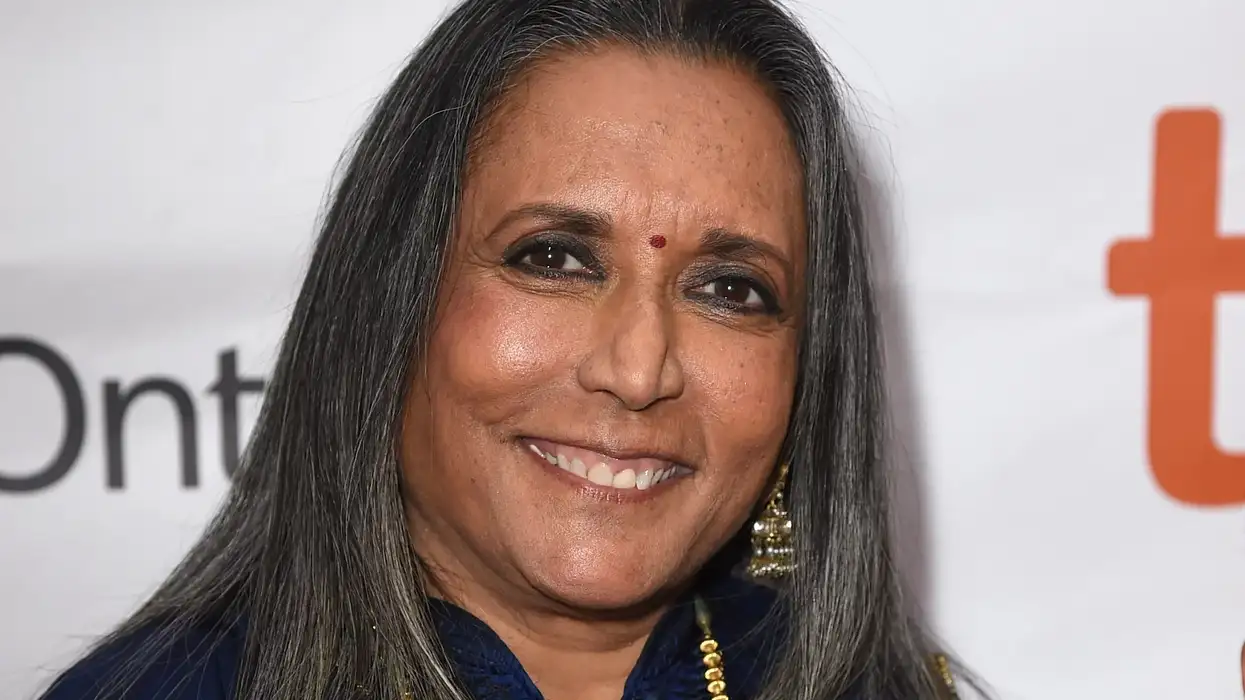
Deepa Mehta to direct thriller about Indian woman serial killer

The film is set to mount the shooting floor in August and September.

Deepa Mehta to direct thriller about Indian woman serial killer

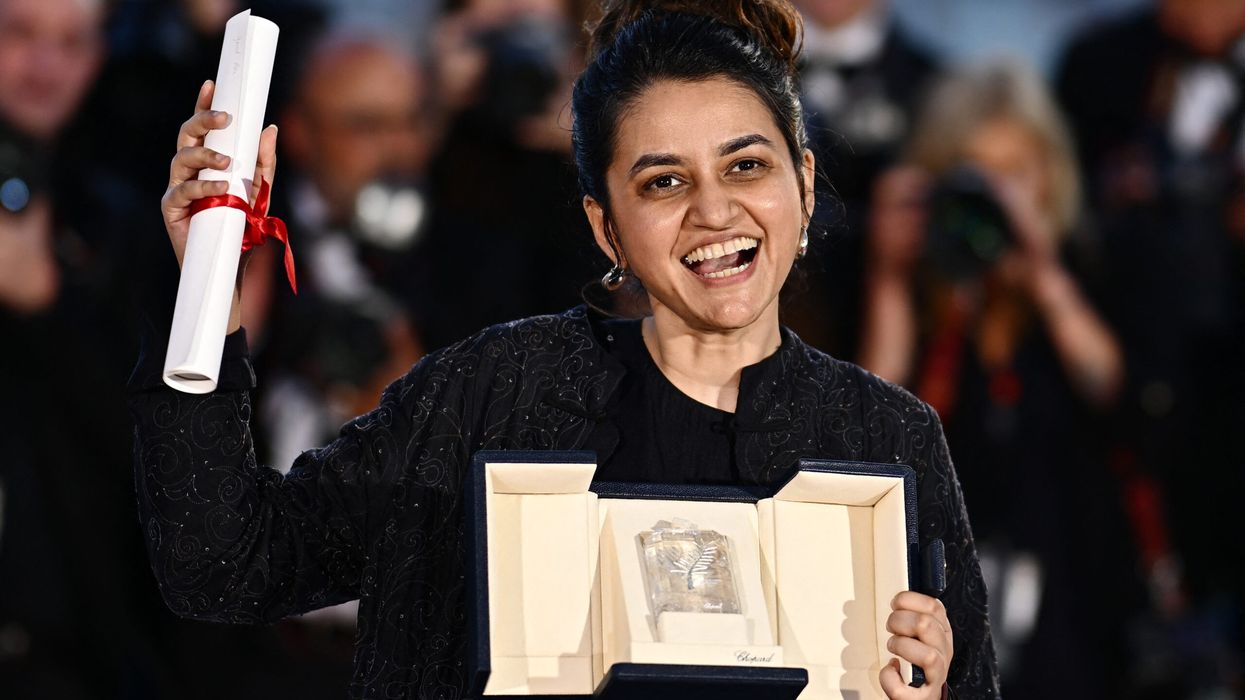
Known for helming such notable films as Fire and Midnight’s Children, acclaimed filmmaker Deepa Mehta is now set to direct her next film. Titled Troilokya, the thriller film revolves around an Indian woman known to be a serial killer.

Bankrolled through pan-Asian film company Through The Lens Entertainment and India’s Open Air Films, Troilokya is set in 19th century Calcutta during British rule and sees a female prostitute embark on an unheard-of killing spree. For more than a decade, she is hunted down by Detective Priyonath Mukhopadhyay.


Talking about the film, Mehta said in a statement, “The challenge of depicting a serial murderess as a heroine is what intrigues me most about Troilokya. ‘Is it possible to muster empathy for this child bride turned prostitute turned killer?’ is a question I ask myself. And the answer is always an unequivocal ‘yes.’”

She added, “Her journey in British-colonized India is, in my opinion, jaw-dropping. ‘Troilokya’ finally lays to rest the image of long-suffering, docile, and husband-worshipping Indian women with mind-blowing compassion. ‘Troilokya’ was a no-brainer project to resist. I can’t wait to be on set and say ‘Action!’”

Screenwriter Juhi Chaturvedi of Piku and October fame has written the screenplay. The film is set to mount the shooting floor in August and September with locations including India and Thailand.

Stay tuned to this space for more updates and reveals.

More For You

Samir Zaidi

Two Sinners marks Samir Zaidi’s striking directorial debut

Samir Zaidi, director of 'Two Sinners', emerges as a powerful new voice in Indian film

Indian cinema has a long tradition of discovering new storytellers in unexpected places, and one recent voice that has attracted quiet, steady attention is Samir Zaidi. His debut short film Two Sinners has been travelling across international festivals, earning strong praise for its emotional depth and moral complexity. But what makes Zaidi’s trajectory especially compelling is how organically it has unfolded — grounded not in film school training, but in lived observation, patient apprenticeships and a deep belief in the poetry of everyday life.

Zaidi’s relationship with creativity began well before he ever stepped onto a set. “As a child, I was fascinated by small, fleeting things — the way people spoke, the silences between arguments, the patterns of light on the walls,” he reflects. He didn’t yet have the vocabulary for what he was absorbing, but the instinct was already in place. At 13, he turned to poetry, sensing that the act of shaping emotions into words offered a kind of clarity he couldn’t find elsewhere. “I realised creativity wasn’t something external I had to chase; it was a way of processing the world,” he says. “Whether it was writing or filmmaking, it came from the same impulse: to make sense of what I didn’t fully understand.”

Keep ReadingShow less