AS a result of the ongoing Covid-19 pandemic, the auto industry in Pakistan has sold only 39 units in April. No passenger vehicle was sold during the period.
According to the report by the Pakistan Automotive Manufacturer's Association (PAMA), all 39 units sold were either trucks or buses and that not a single passenger vehicle was sold.
Covid-19 lockdown in Pakistan resulted in not just production and retail coming to a grinding halt but an already dwindling demand crashing to a standstill. What had added to the woes, however, is companies like Indus Motor and Honda Car Pakistan increasing prices, local media reported.
The country has reported 66,457 Covid-19 cases so far, with 1,395 deaths. As many as 24,131 people have recovered from the deadly disease.
The automobile sector contributes four per cent to Pakistan's GDP. Auto makers such as Atlas Honda, Yamaha, Honda Atlas Cars, Indus Motor, Pak Suzuki Motor Company, among others, suspended production on March 23, according to reports. Lockdown restrictions began easing from May 11 but a rebound is not in sight yet.
Analysts in the country even go to the extent of predicting that any recovery won't be possible till well into 2021.
Recently, the International Monetary Fund (IMF) has said the Pakistani economy is likely to contract -1 to -1.5 per cent in the current financial year, which ends in just over a month, on June 30.
As such, the automotive industry may want a bailout package from the cash-strapped government but it is extremely unlikely it will get any, reports said.





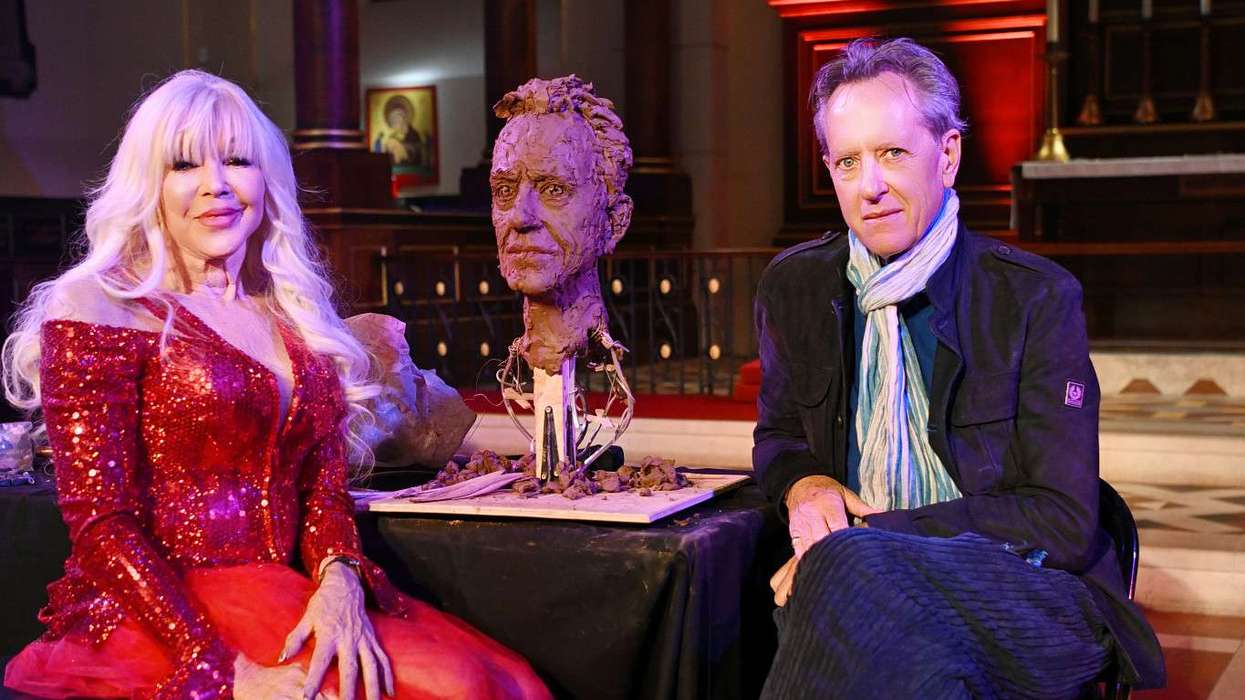
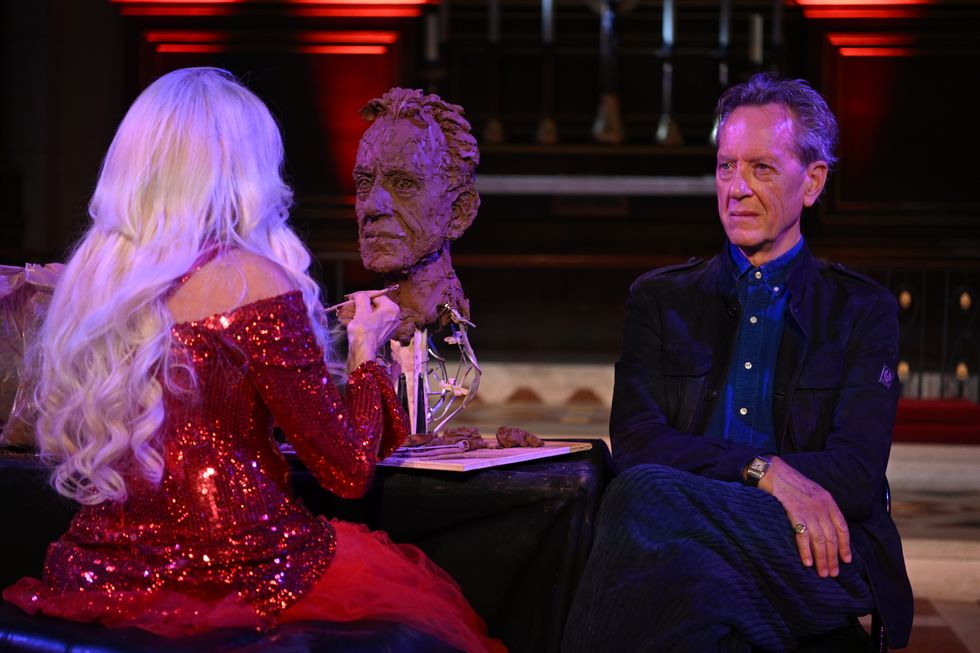 Frances Segelman makes bust of Richard E GrantSophie Dunne
 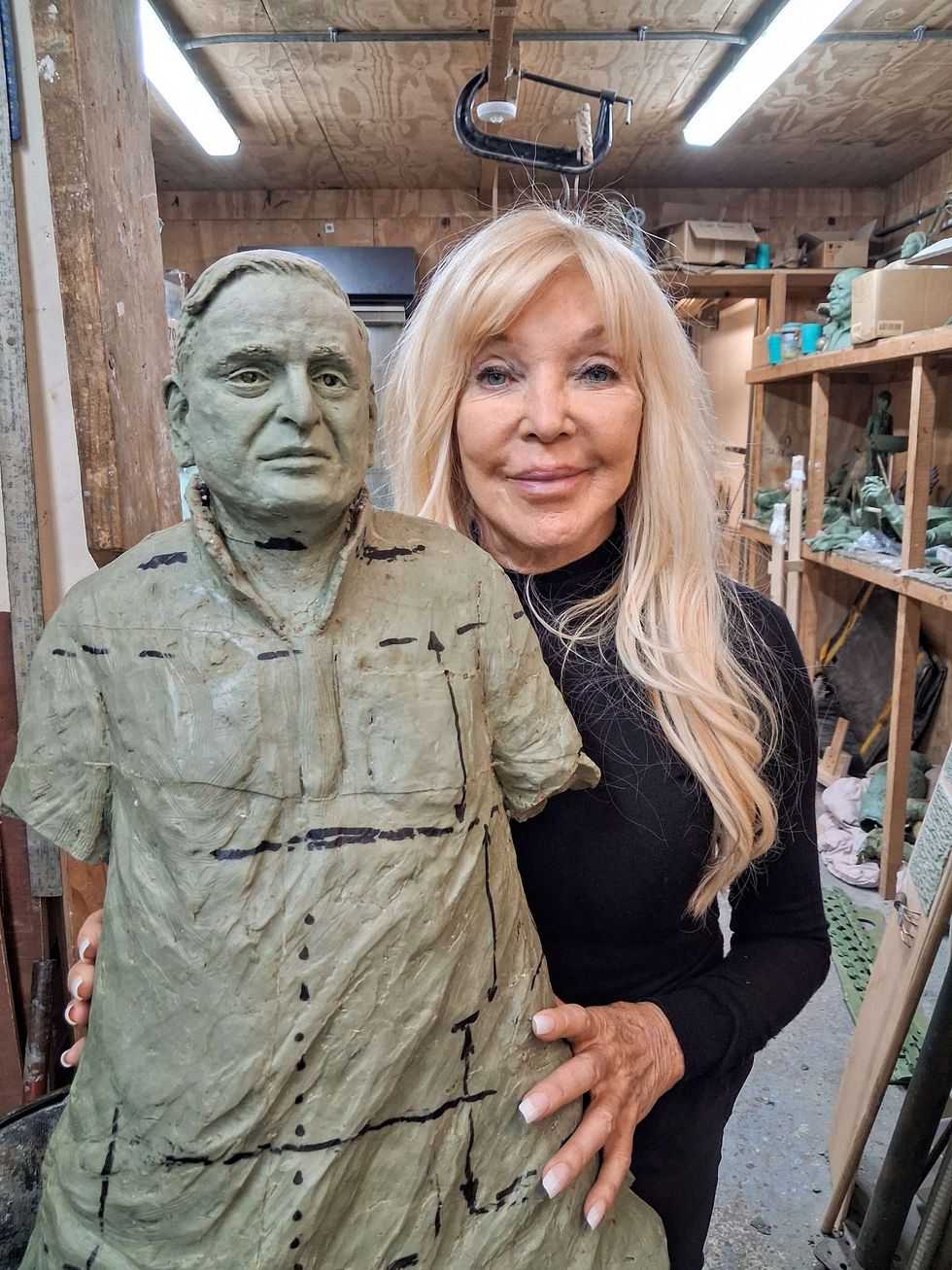 Frances Segelman with maquette of Mulayam Singh Yadav Sophie Dunne
 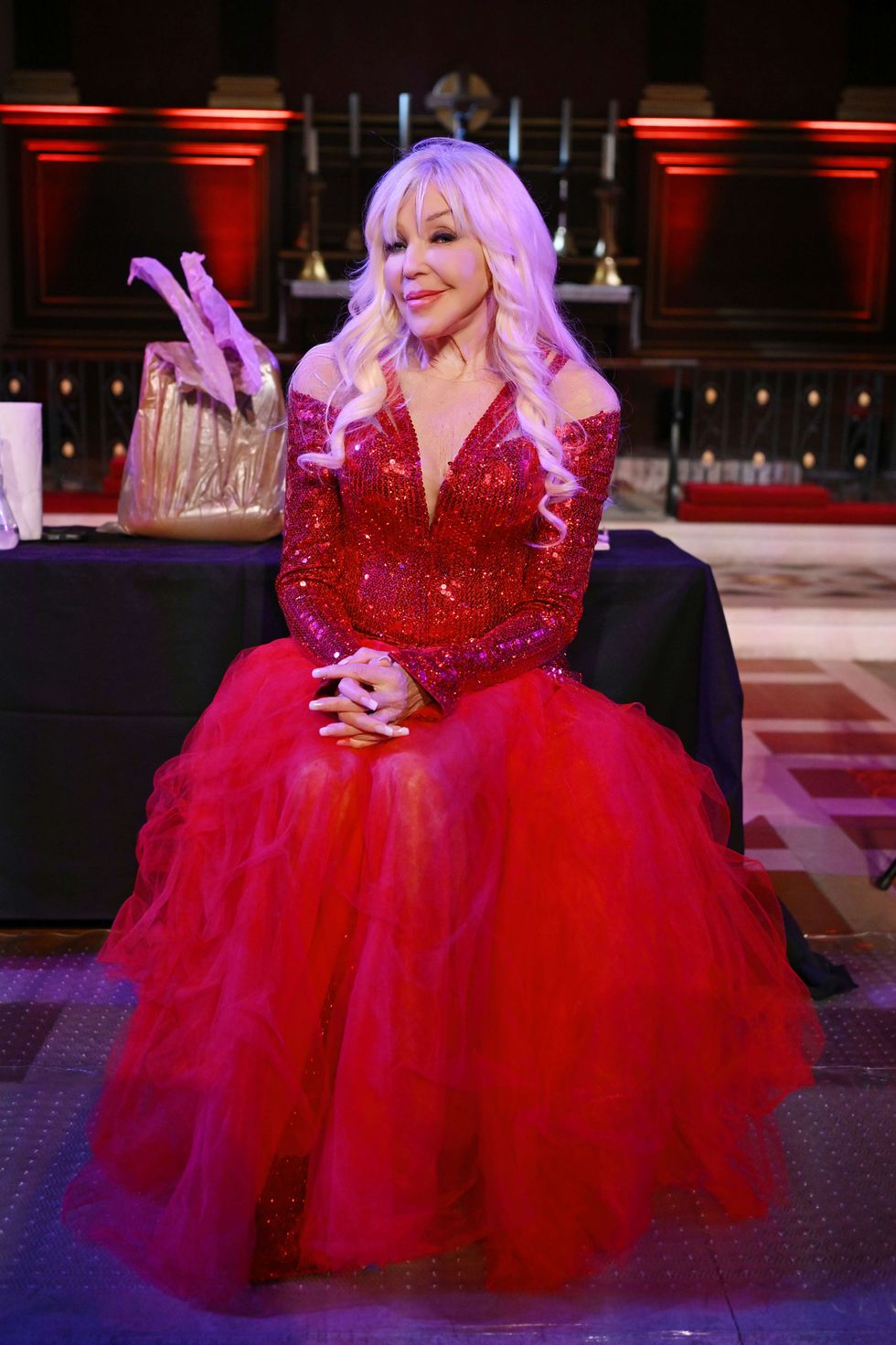 Frances Segelman was dressed by KruszynskaSophie Dunne
 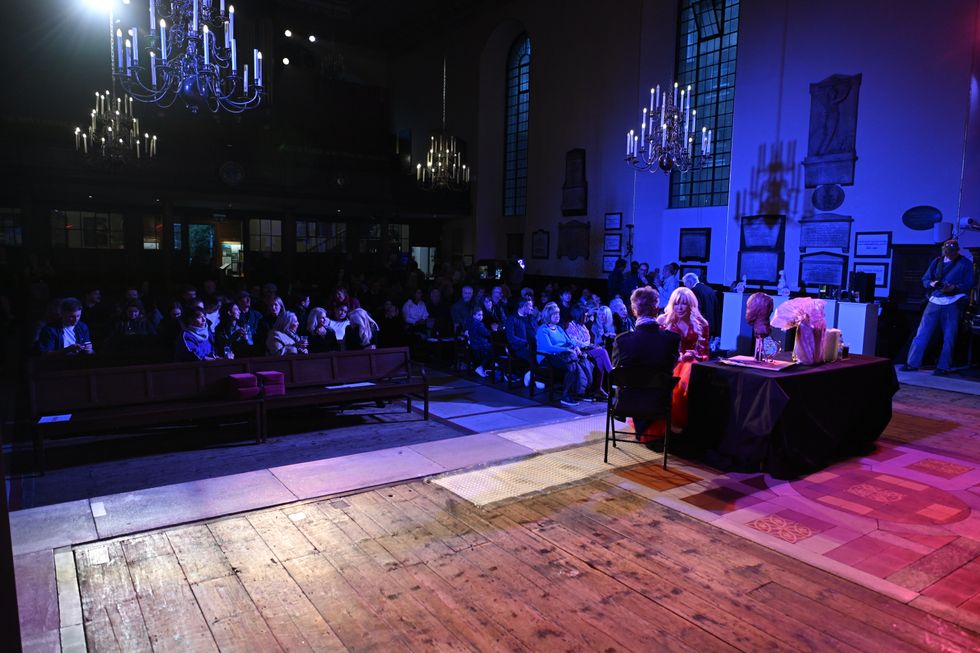 Frances Segelman live sculpting Richard E Grant in Actors' Church in Covent Garden.Sophie Dunne