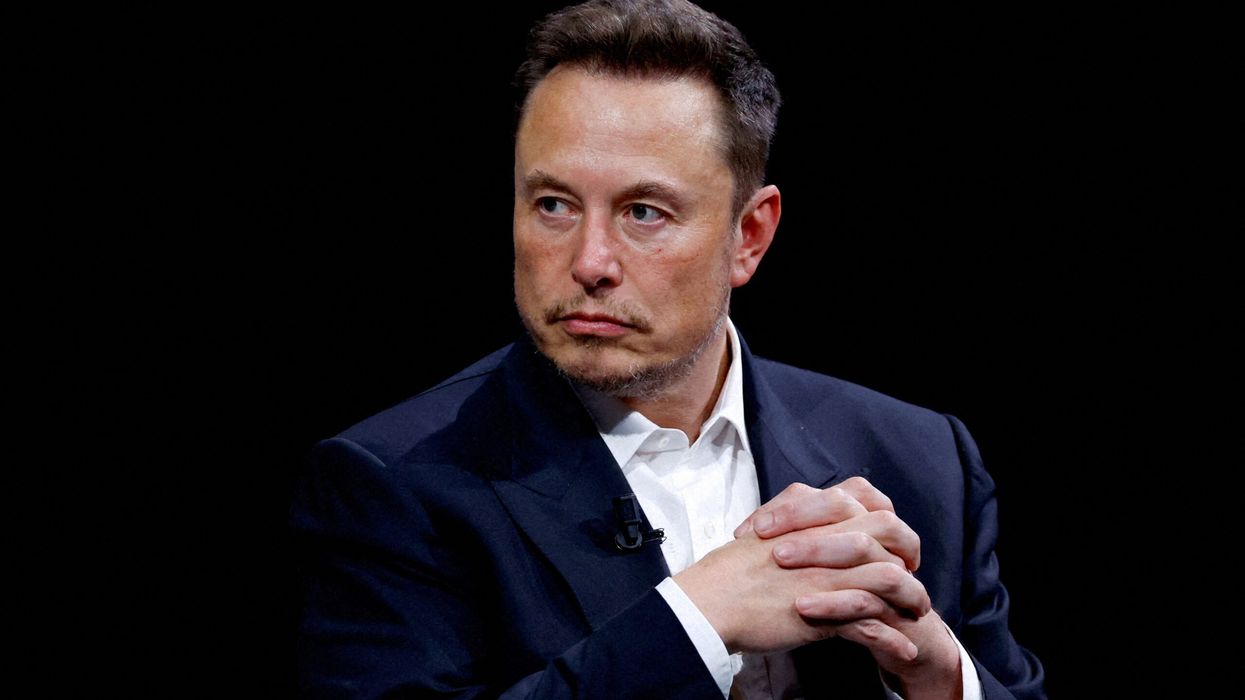

US tech billionaire Elon Musk has said he will help fund legal cases against officials he believes turned a blind eye to child sexual abuse. His intervention follows a private investigation revealing that such abuse has occurred in 85 local authorities across Britain, reported the Telegraph.
Musk posted on X that he wants to “fund legal actions against corrupt officials who aided and abetted the rape of Britain,” referencing findings from an unofficial inquiry. He encouraged victims and their families to get in touch directly through the platform.
This private investigation, known as the Rape Gang Inquiry and led by former MP Rupert Lowe, claimed to have found evidence of child sexual exploitation in councils from Aberdeen City to Norwich, spanning many decades—some dating back to the 1960s.
The inquiry revealed it has received hundreds of accounts from survivors and whistle-blowers and logged thousands of Freedom of Information requests.
Lowe stressed the urgency for action, noting a growing frustration among survivors with the lack of results, despite promises of a public inquiry by the current government. “The message from survivors is clear: get on with it,” he said.
Musk’s involvement has added global attention to the scandal. While the government had previously resisted calls for a new inquiry, a long-awaited official investigation was launched in June, led by Baroness Louise Casey, with statutory powers to compel witnesses.
This follows years of systemic failure exposed by earlier inquiries—most notably the Independent Inquiry into Child Sexual Abuse, which described widespread exploitation and shortcomings in institutional responses. Even so, many of its recommendations remain unimplemented.
Musk has also used X to heavily criticise current and former officials, including safeguarding minister Jess Phillips and prime minister Keir Starmer. He accused them of complicity or indifference, including calling Phillips a “rape genocide apologist” and asserting that Starmer, as former director of Public Prosecutions, failed to act.
British officials have dismissed these claims as distortion and misinformation. Critics worry that Musk’s involvement may stoke political polarisation, especially given his ties to right-wing groups and his previous incendiary posts on the platform. Nonetheless, for survivors seeking justice, his support could offer a valuable route to the courts.
As the official inquiry continues, Musk has offered to fund legal cases against officials accused of failing victims. Meanwhile, survivors and families are awaiting action to ensure the investigations deliver accountability.