
Highlights
- Burnham says Brexit “has done more harm than good”
- He keeps options from closer EU ties to rejoining on the table
- Economists estimate a long-term economic cost from Brexit
- Closer EU ties could affect trade, investment and sterling
PRIME MINISTER Andy Burnham has put the possibility of Britain moving back towards the European Union firmly into the political and economic debate, raising questions about what a closer relationship with the bloc could mean for business and financial markets.
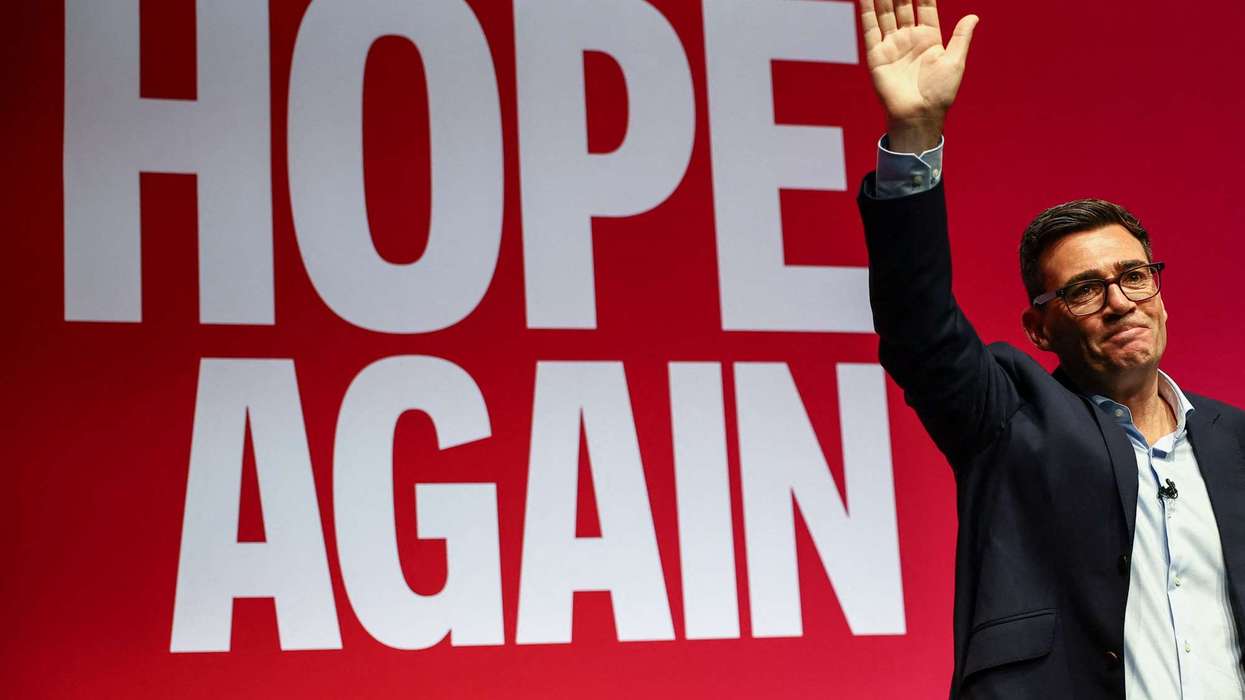
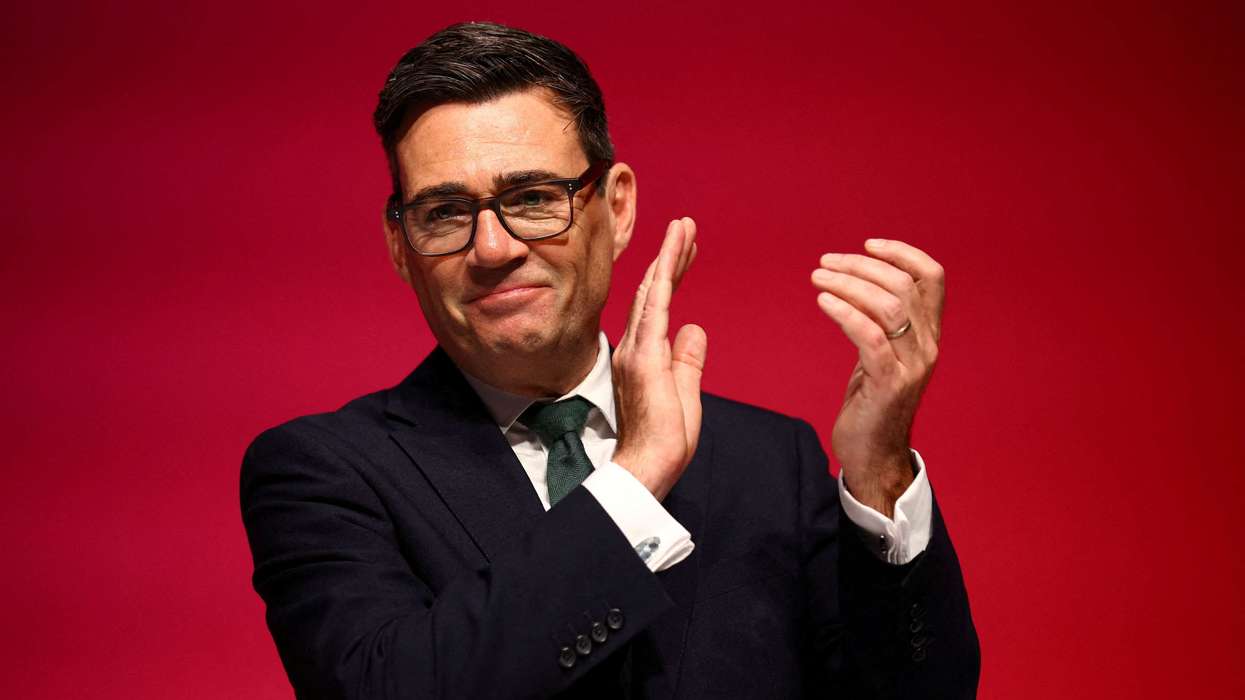
Speaking at Labour’s annual conference in Liverpool on Tuesday (29), the prime minister said Brexit had “done more harm than good” and promised to set out options for Britain’s long-term relationship with its European partners at a planned UK-EU summit.
Burnham went further in interviews the following day, saying the choices could range from maintaining the current arrangements to joining a customs union, returning to the single market or potentially “go[ing] all the way” and rejoining the EU.
His intervention has been dubbed “Breturn” by Reuters columnist Mike Dolan, who argues that even the prospect of Britain moving closer to the EU could eventually influence markets.
“Even a whiff of ‘Breturn’ could move sterling assets,” Dolan wrote.
An economic question as much as a political one
For businesses, the significance lies in what a closer relationship with the EU could mean for trade barriers, regulation and access to Britain's largest trading partner.
The Office for Budget Responsibility currently assumes that the post-Brexit trading relationship will reduce long-run UK productivity by 4 per cent compared with remaining in the EU. Its assessment also says imports and exports will eventually be 15 per cent lower than they would have been if Britain had stayed in the bloc.
Those figures do not mean that every percentage point can be directly attributed to Brexit. Economic performance has also been affected by the pandemic, energy shocks, inflation, interest rates and other factors.
Still, Brexit has left companies facing new trading arrangements with the EU, including customs procedures and non-tariff barriers. Any move to reduce those barriers could therefore have implications for companies trading across the Channel.
Burnham has framed the issue around Britain's longer-term economic direction.
“We will not give Britain the clear path we need into the rest of this century until we decide on a long-term relationship with what is still our largest market,” he told the Labour conference.
Markets may move before politics does
Financial markets have not responded with a dramatic “Breturn” rally so far. Sterling's movements this week have also been driven by wider factors, including oil prices, inflation and global borrowing costs.
On October 1, the pound fell to a three-month low against the dollar as investors reacted to higher oil prices and concerns about interest rates.
Yet Britain's experience after the 2016 referendum shows why any major change in the country's relationship with Europe could matter to investors.
Sterling fell sharply after the Brexit vote. The European Central Bank recorded a depreciation of about 14 per cent in the pound's nominal effective exchange rate following the referendum.
Dolan argues that a future move towards closer European integration could have the opposite effect by reducing some of the uncertainty surrounding Britain's trading relationship with the EU.
Economist Anatole Kaletsky of GaveKal Research described Burnham's intervention as potentially a “bullish inflection point for sterling assets”, according to Reuters.
A long road back
Burnham has not proposed an immediate referendum or set out a timetable for rejoining. He has instead said the government will examine what is “doable” and consider the advantages and disadvantages of different options.
A return to the EU would also require agreement from the bloc's member states and negotiations over the terms of membership. Britain would not simply return on its pre-Brexit terms.
For now, Burnham's intervention is therefore less a blueprint for rejoining than a decision to reopen a question that British governments have largely avoided since Brexit.
That may be its immediate economic significance. Businesses and investors do not need Britain to rejoin the EU tomorrow for expectations about its future relationship with Europe to begin influencing decisions on trade, investment and sterling.