
Highlights
- Middle-income households lose £480 this year from war-driven price rises.
- Poorest families gain 1.2 per cent income growth from above-inflation benefits.
- Families with 3+ children see 7.7 per cent income boost from two-child cap removal.
New research from the Resolution Foundation shows a clear divide in how different income groups are feeling the economic impact of the conflict.
The thinktank found that average working-age households, which were expecting income growth of 0.9 per cent before the war started, will now see their incomes fall by 0.6 per cent instead.
War's unequal impact
The squeeze on middle earners is coming from surging oil and gas prices triggered by the conflict, pushing up costs at petrol pumps and on household energy bills.
Petrol and diesel prices have climbed for 40 consecutive days since the war began, according to motoring organisation RAC.
Meanwhile the poorest fifth of households are seeing their incomes rise by 1.2 per cent on average this year.
Universal Credit claimants received a 6.2 per cent increase to their standard allowance on April 6, well above the inflation rate. State pensioners also benefited from a 4.8 per cent rise under the triple lock policy.
The picture looks even better for low-income families with three or more children. Labour's decision to scrap the two-child benefits cap means these households will see income growth of 7.7 per cent, even after accounting for the costs of larger families.
James Smith, chief economist at the Resolution Foundation, warned that the financial damage was largely unavoidable now.
"The path of this conflict remains uncertain and energy prices remain well above pre-war levels, meaning many households face a decline in their purchasing power this year," he said.
Any de-escalation would be welcome, he added, but damage to household finances this year is to a large degree already done.
Costs keep rising
The thinktank's analysis assumes household energy bills will climb to £1,929 later this year, based on forecasts from Cornwall Insight.
It also predicts petrol reaching £1.50 per litre and diesel hitting £1.80, consistent with Brent crude oil prices of $100 per barrel.
Brent crude dropped towards $95 last week after the US and Iran agreed a two-week ceasefire, but peace talks collapsed over the weekend, threatening to push oil prices higher again.
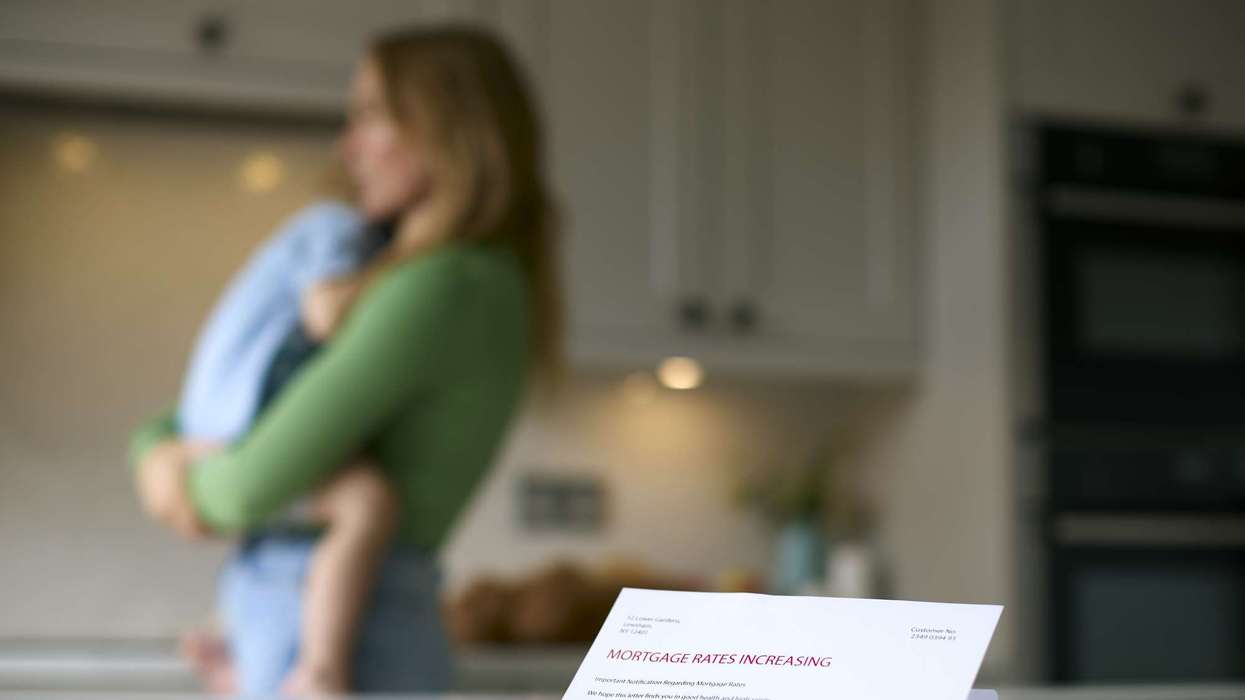
The Foundation's figures do not include rising mortgage costs, which have jumped since the war started. This means the true impact on middle-income households could be worse than the £480 estimate.
Food prices are also expected to surge, with the Food and Drink Federation warning that supermarket inflation could reach 10 per cent later this year as higher oil and gas prices ripple through supply chains.
Chancellor Rachel Reeves acknowledged that households were struggling with rising prices. "We are taking action to keep costs down for families and provide support for those who need it most," she wrote in The Sunday Times.
A Treasury spokesman stated the government had cut the energy price cap by £117, extended the 5p fuel duty reduction and was supporting families using heating oil.