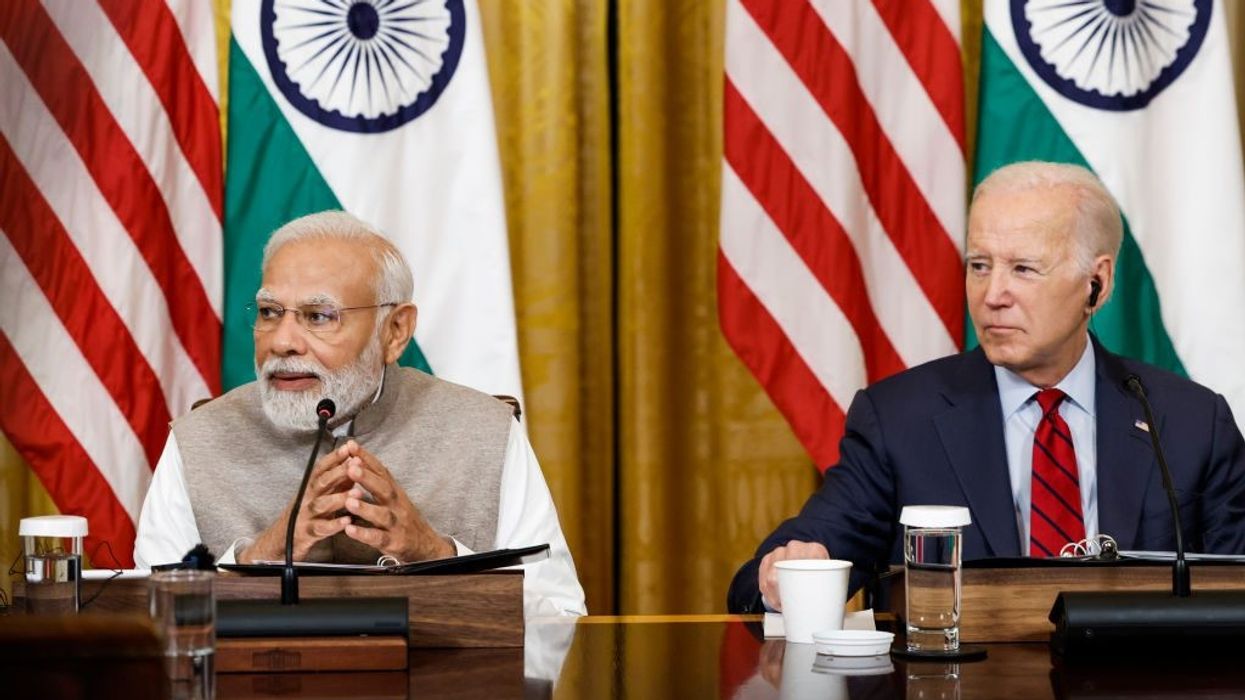

US PRESIDENT Joe Biden will urge reforms to the IMF and World Bank that will better serve developing country needs at the G20 summit in New Delhi next month, the White House said on Tuesday (22).
White House national security advisor Jake Sullivan said the two institutions need to offer a better alternative for development support and financing to what he called China’s “coercive and unsustainable lending” through Beijing’s Belt and Road Initiative.
“We have heard loud and clear that countries want us to step up our support in the face of the overlapping challenges they face,” Sullivan told reporters.
At the G20, Biden “will really focus a lot of his energy while he is there on the modernization of the multilateral development banks, including the World Bank and the IMF,” he said.
The aim is to ensure that the development banks offer “high standard, high leverage solutions” to the challenges developing countries face, he added.
Sullivan called the two institutions “highly effective and transparent,” contrasting that to Beijing’s Belt and Road Initiative, a decade-old programme to extend China’s weight in global development that has involved large infrastructure and industrial loans to poorer countries.
“I am suggesting the World Bank and IMF are a positive, affirmative alternative to what is a much more opaque, or coercive method” of development finance China is offering, he said.
The US will push proposals in New Delhi that will increase World Bank and IMF lending power by some $200 billion, he said.
But Sullivan stressed that, as a member of the G20 and a key partner in the IMF and World Bank, China is central to modernising both institutions.
“So our support for the World Bank and the IMF is not against China,” he said.
Sullivan made his comments as a China-dominated forum of major emerging economies, the BRICS, were holding their own summit in South Africa.
The so-called BRICS nations -Brazil, Russia, India, China and South Africa – represent a quarter of the global economy, and interest in joining the club has surged.
“We are not looking at the BRICS as evolving into some kind of geopolitical rival to the United States or anyone else. This is a very diverse collection of countries,” said Sullivan.
He added, “The president will also reaffirm the US commitment to the G20 as the premier forum of economic cooperation globally, including by committing to the US hosting the G20 in 2026.”
US vice president Kamala Harris will travel to Jakarta from September 4-7 to attend summits of Southeast Asian leaders, the White House said on Tuesday.
Asked about criticism that Biden’s absence would raise questions about US commitment to a region facing China’s expanding influence, Sullivan argued that US engagement with the Asia-Pacific has been pronounced since 2021.
“I would put our record of achievement and engagement in the Indo Pacific up against any American president (and) any other country in the world,” he said, citing a string of meetings Biden has hosted or attended, including last weekend’s trilateral summit with South Korea and Japan at Camp David.





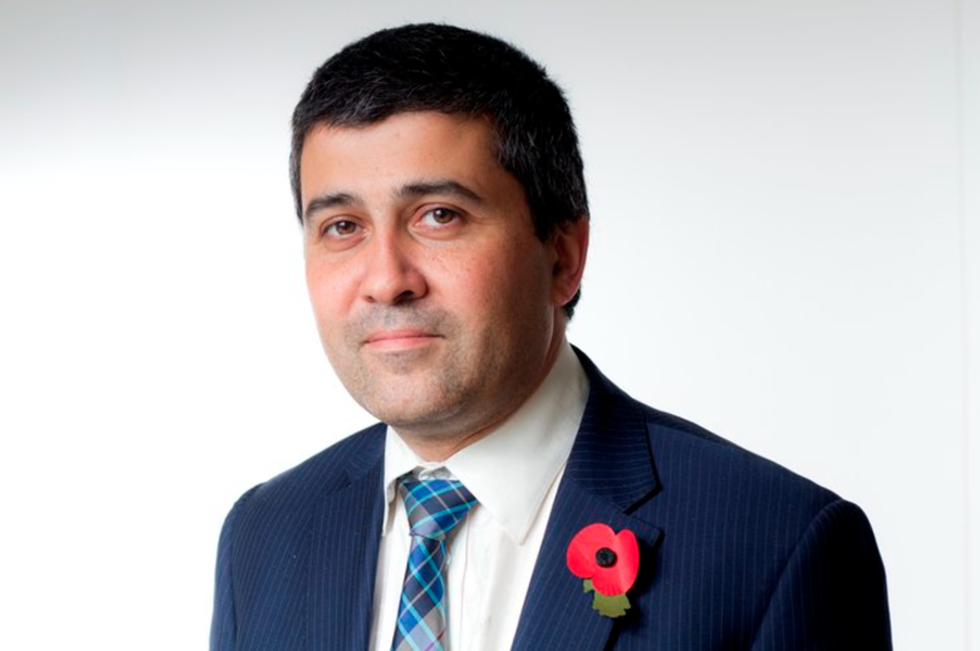 Sunder Katwala
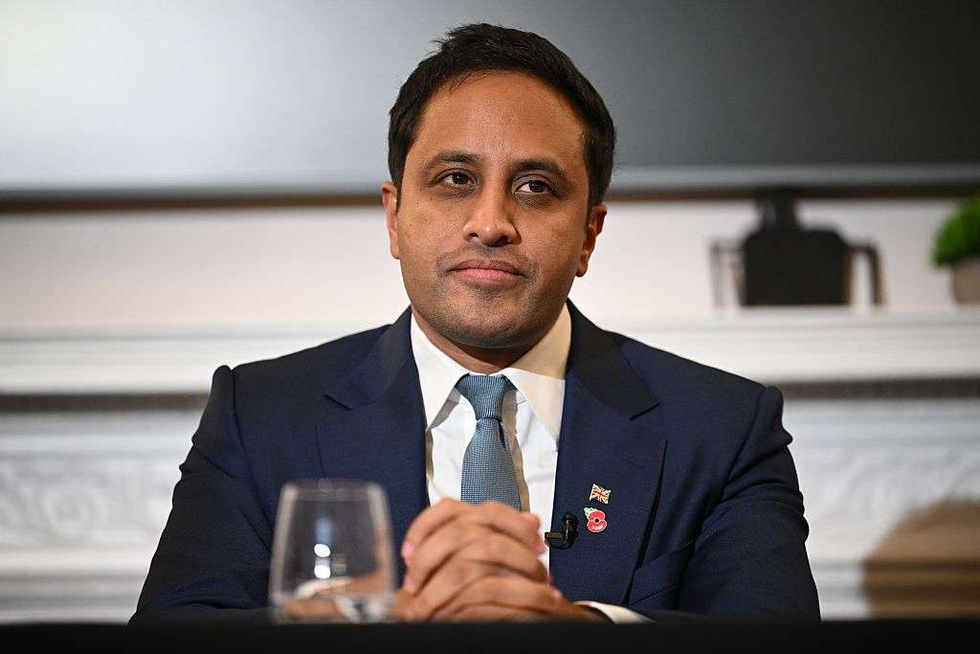 Reform UK spokesperson for home affairs, Zia Yusuf, attends a press conference with Leader of Reform UK Nigel Farage at The Clermont London Hotel on November 2, 2026 in London, United Kingdom. (Photo by Ben Montgomery/Getty Images)
 The decline has renewed calls for tighter immigration controls from the Conservatives.


