
Highlights
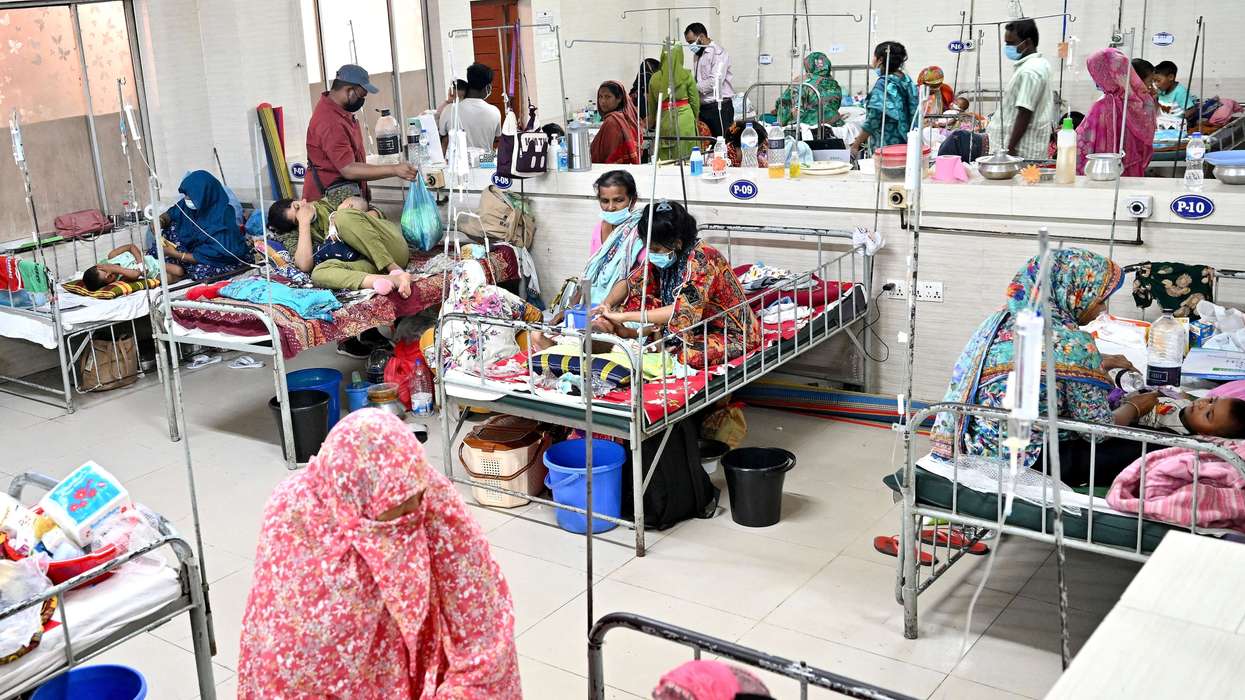
- More than 100 children dead in Bangladesh's worst measles outbreak in years.
- One-third of victims are infants below nine months old.
- Emergency vaccination campaign targets children aged six months to five years.
Authorities have kicked off an urgent vaccination programme alongside the United Nations after recording over 900 confirmed infections since March.
The campaign will initially focus on youngsters aged six months to five years living in the hardest-hit areas before rolling out across the entire nation.
Health minister Sardar Mohammed Sakhawat Husain spoke in parliament on Monday about what went wrong.
He blamed the previous government for poor planning that left gaps in vaccination programmes, particularly in poorer communities. Vaccine supplies also ran dangerously low.
What's particularly worrying is that a third of sick children are babies younger than nine months—too young to get their first measles jab under normal schedules. This shows the vaccination system has serious holes.
Rana Flowers, who works with Unicef in Bangladesh, didn't mince words about the crisis. "This resurgence highlights critical immunity gaps, particularly among zero-dose and under-vaccinated children, while infections among infants under nine months, who are not yet eligible for routine vaccination, are especially alarming," she explained.
Health experts say 95 per cent of people need vaccination to stop measles spreading through communities.
Worldwide problem returns
Bangladesh isn't alone in fighting measles. The disease has made a comeback globally, with more than 11 million people catching it worldwide during 2024.
Two people died in Britain this year from measles. America has seen over 2,000 cases in 2025, the highest number in 30 years.
Measles spreads incredibly easily through the air. Infected people get fevers, breathing problems and spotty rashes. Small children can become seriously ill or die from complications.
Bangladesh has actually done well with vaccinations historically. When mass immunisation started back in 1979, only 2 per cent of children got fully vaccinated.
That number climbed to 81.6 per cent over the decades. But across a country of 170 million people, coverage remains patchy in many regions.
Unicef pointed out that "even small disruptions can lead to the gradual accumulation of immunity gaps over time" in places that usually do well with vaccines.
Health workers are now telling parents to take children straight to hospitals if they show measles symptoms or even just run a high temperature. They're warning against relying on neighbourhood pharmacies for treatment.