
- Asda's pre-tax loss widened to £989 million in 2025.
- Price cuts and one-off costs weighed heavily on earnings.
- The retailer continues to lose market share as its turnaround plan gathers pace.
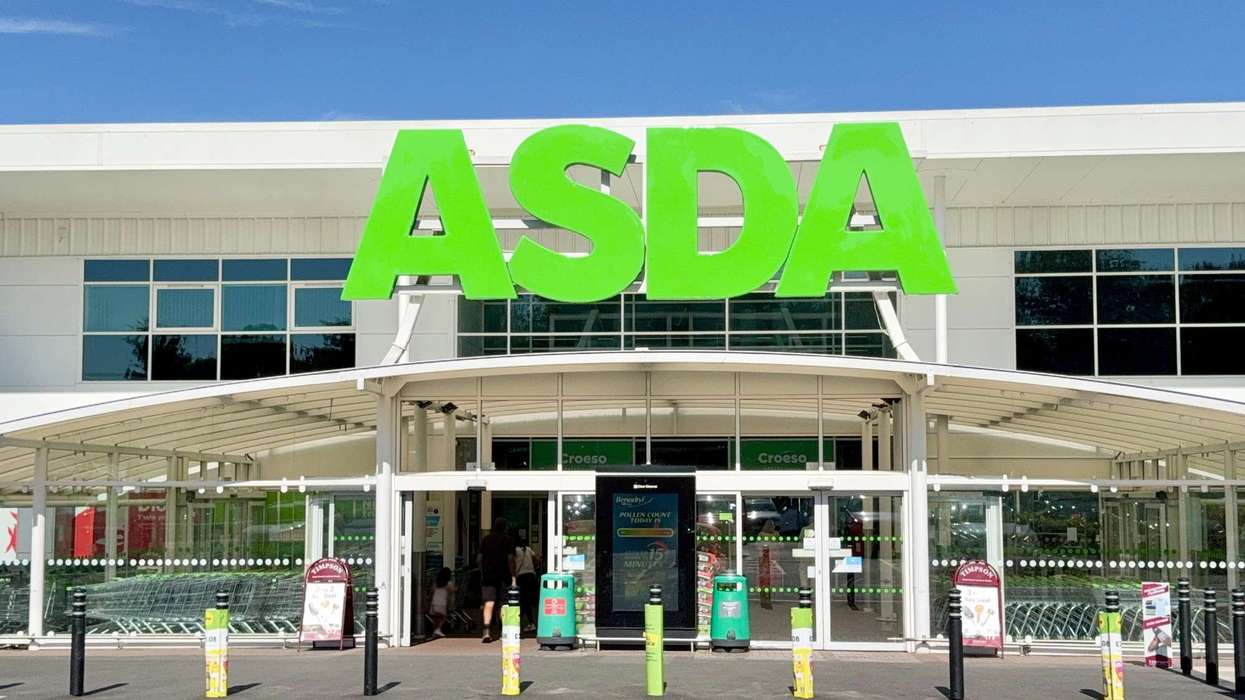
Asda's efforts to rebuild its position in the UK supermarket sector came at a heavy cost in 2025, with the retailer reporting a pre-tax loss of £989 million as aggressive price cuts and costly operational challenges weighed on its finances.
The latest Asda financial results show the supermarket chain's losses widening from £599 million a year earlier, while total sales, including fuel, fell 3.4 per cent to £25.9 billion. The figures underline the scale of the challenge facing Britain's third-largest grocer as it seeks to regain customers lost to rivals including Tesco and Sainsbury's.
The price of winning back shoppers
A significant part of Asda's strategy has centred on lowering prices. Executive chairman Allan Leighton, who returned to the business in November 2024 after previously serving as chief executive more than two decades ago, has pledged to make Asda between 5 per cent and 10 per cent cheaper than traditional competitors.
However, that approach is already affecting profitability. Leighton reportedly warned earlier this year that the pricing strategy would "materially reduce" profits in the short term and suggested the turnaround could take as long as five years.
Underlying earnings, measured as adjusted EBITDA after rent, fell 33 per cent to £764 million during the year. Like-for-like sales, excluding fuel, also declined by 3.1 per cent, highlighting the continued pressure on trading performance.
Industry data published recently suggested Asda is still losing market share, although the pace of decline in quarterly sales has reportedly started to ease.
One-off costs add to the pressure
The headline loss was heavily influenced by a series of exceptional charges worth £656 million. These included £284 million linked to Asda's long-running IT separation from former parent Walmart, a project that has been widely blamed for stock availability issues and disruption across stores. The company also recorded a £344 million non-cash impairment charge following a revaluation of its property portfolio.
Despite the losses, Asda insists its underlying financial position remains stable. A company spokesperson reportedly said the reported loss did not reflect the group's "underlying financial strength" or its ability to generate cash.
The retailer ended the year with £1.3 billion in cash and total liquidity of £2.1 billion. Net debt stood at £3.1 billion, down £500 million from the previous year. The company also noted that most of its borrowings are secured well into the next decade.
Majority-owned by private equity firm TDR Capital, with Walmart retaining a 10 per cent stake, Asda is now attempting to balance investment in lower prices with the need to restore sales momentum. Whether shoppers respond strongly enough to justify the financial sacrifice remains one of the biggest questions hanging over the retailer's turnaround plan.