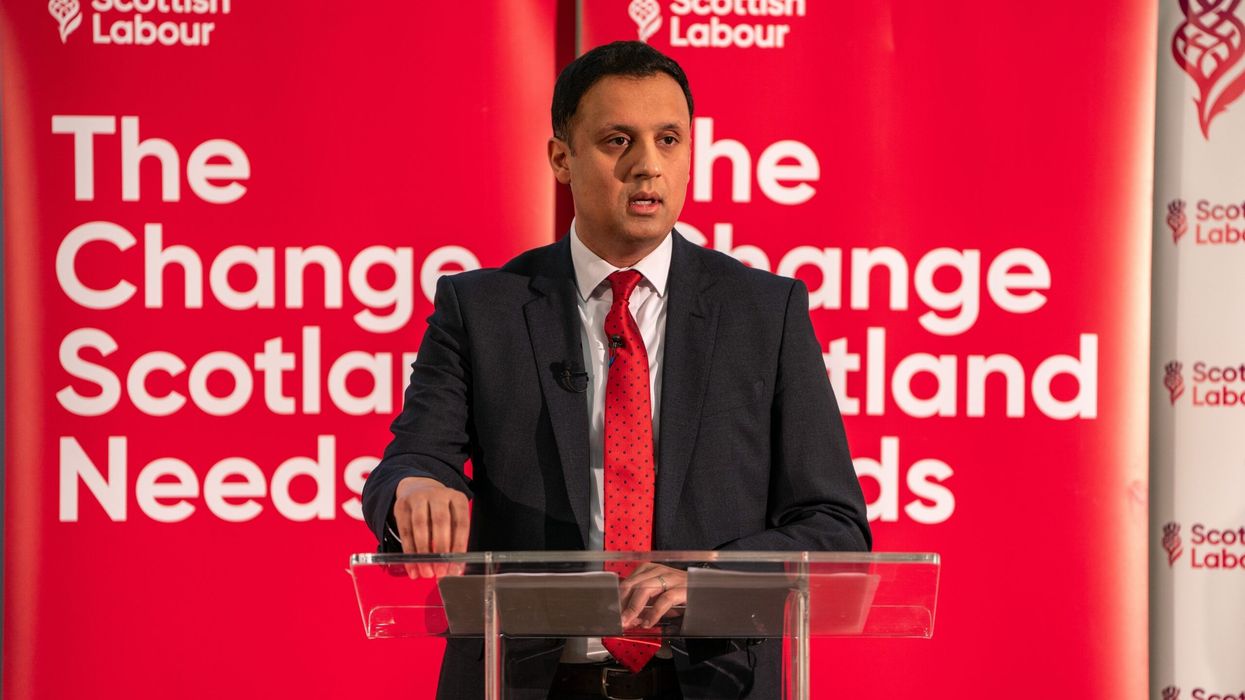

During his first major speech on Monday (8), Anas Sarwar, Scotland's Labour leader urged independence backers to switch allegiance from the Scottish National Party (SNP) in a bid to unseat the Tories from Downing Street.
Simultaneously, during his speech, first minister Humza Yousaf emphasised to undecided voters that the current cost of living crisis has increased the urgency for independence.
In what is expected to be a general election year, both leaders specifically addressed pro-independence supporters, recognising their pivotal role in the upcoming campaign.
Former SNP loyalists are increasingly swayed by Labour's perceived capability to swiftly address escalating household expenses and declining public services, making this cohort crucial in shaping the forthcoming political landscape, The Guardian reported.
Sarwar, buoyed by recent polling aligning Scottish Labour closely with the SNP in Westminster voting intention, informed activists that the year 2024 would be a “momentous” one, in which Scotland could “lead the way in booting out these Tories, and electing a UK Labour government.”
He added that after “16 years of decline and incompetence” this was “a chance to turn the page on the SNP too.”
Addressing Rutherglen town hall, a symbolic win for Scottish Labour, against the SNP in last autumn’s byelection, Sarwar appealed directly to independence supporters, irrespective of their past voting choices.
He emphasised the need for unity to effect change in the country, echoing a sentiment of shared purpose.
Contrasting Sarwar's stance, Yousaf, in a series of talks at Glasgow University, emphasised the urgency of independence amid the pressing cost of living crisis.
He underlined Scotland's economic potential and the need for immediate action.
Yousaf highlighted the perceived neglect of Scotland's interests in the broader UK political landscape, stressing the urgency of independence in addressing societal concerns.
The divergent approaches between Sarwar and Yousaf also played out in their perspectives on the upcoming election.
Sarwar pitched electing more Scottish Labour MPs as pivotal in representing Scotland's interests within a UK Labour government.
In contrast, Yousaf expressed doubts about Westminster's consideration of Scotland's welfare, nudging voters to opt for SNP MPs, proven in their advocacy for Scotland's interests.
Amidst these political maneuvers, the debate around the SNP's Westminster majority remained contentious.
Tommy Sheppard, a prominent SNP MP, cautioned against abandoning the party, warning that progress toward independence might stall without SNP's representation in Westminster.
Liz Lloyd, a former aide to Nicola Sturgeon, added another layer to the discourse, suggesting that Labour's reliance on pro-independence supporters might complicate the party's long-term stance on separation.