Skip to content
Search

Latest Stories

Century's longest blood moon enthrals skywatchers

SKYWATCHERS around the world on Friday (27) night witnessed the longest "blood moon" eclipse of the 21st century. Part of the eclipse was visible from Europe, the Middle East, Africa, Australia, and most of Asia and South America.

The total eclipse lasted one hour and 43 minutes, with the entire event lasting closer to four hours.


The moon turned red because "atmospheric scattering causes red light to pass through the atmosphere and the composition of the atmosphere can change if volcanic eruptions or forest fires occur,” Tom Kerss, an astronomer with the Royal Observatory Greenwich, was quoted as saying by News.com.au.

“And the density of dust increasing in the atmosphere can cause the moon to appear particularly deep red, and indeed it has the same effect on our sunsets and sunrises.”


More For You

amit-kshatriya-artemis

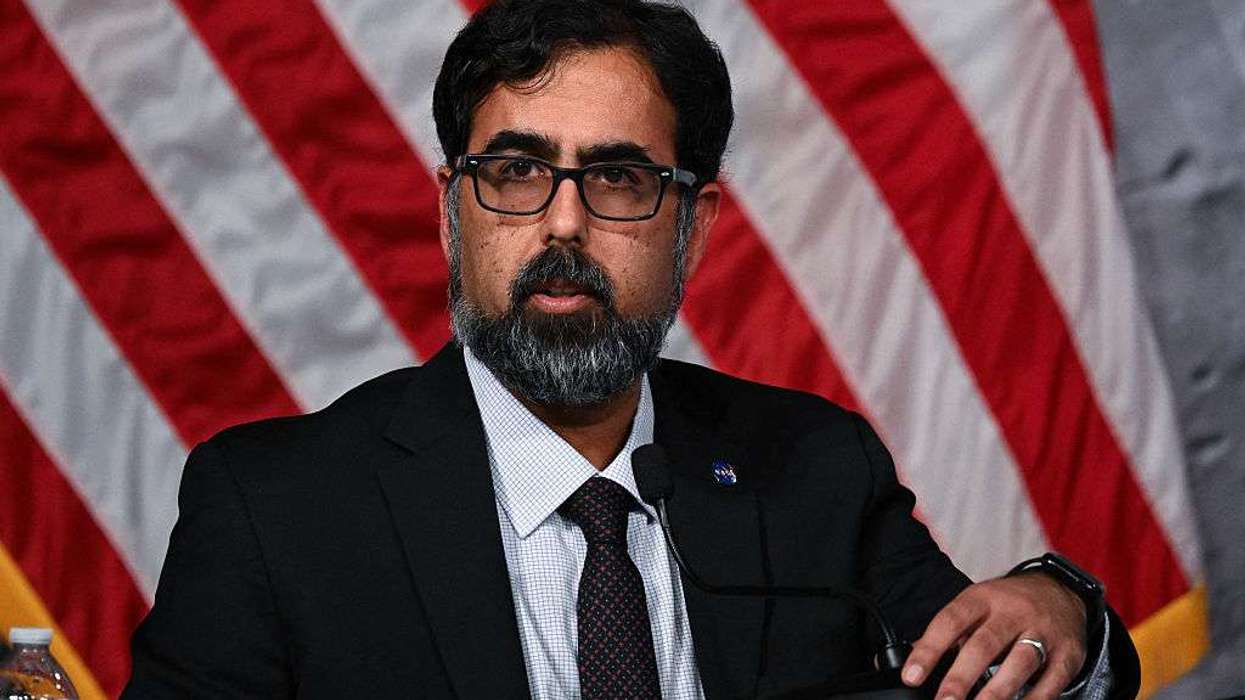
NASA's associate administrator Amit Kshatriya speaks during a press conference at Johnson Space Center in Houston, Texas, on April 10, 2026, after the Artemis II astronauts splashed down in the Pacific Ocean off the coast of California.

(Photo by RONALDO SCHEMIDT / AFP via Getty Images)

Who is Amit Kshatriya, Indian American at the helm of NASA's moon mission

AS FOUR astronauts splashed down in the Pacific Ocean on Friday (10) after the first crewed journey to the moon in more than 50 years, one man stood at the centre of it all — Amit Kshatriya, NASA's most senior civil servant.

Born in Brookfield, Wisconsin, to first-generation Indian immigrant parents, Kshatriya grew up in Katy, a suburb of Houston, Texas, where he watched space launches as a child. Houston is home to NASA's Mission Control at the Johnson Space Centre, and those early memories appear to have shaped everything that followed.

Keep ReadingShow less