
Skip to content
Search

Latest Stories

Yuvika Choudhary apologises after using casteist slur in her vlog

Yuvika Choudhary apologises after using casteist slur in her vlog

By Murtuza Iqbal

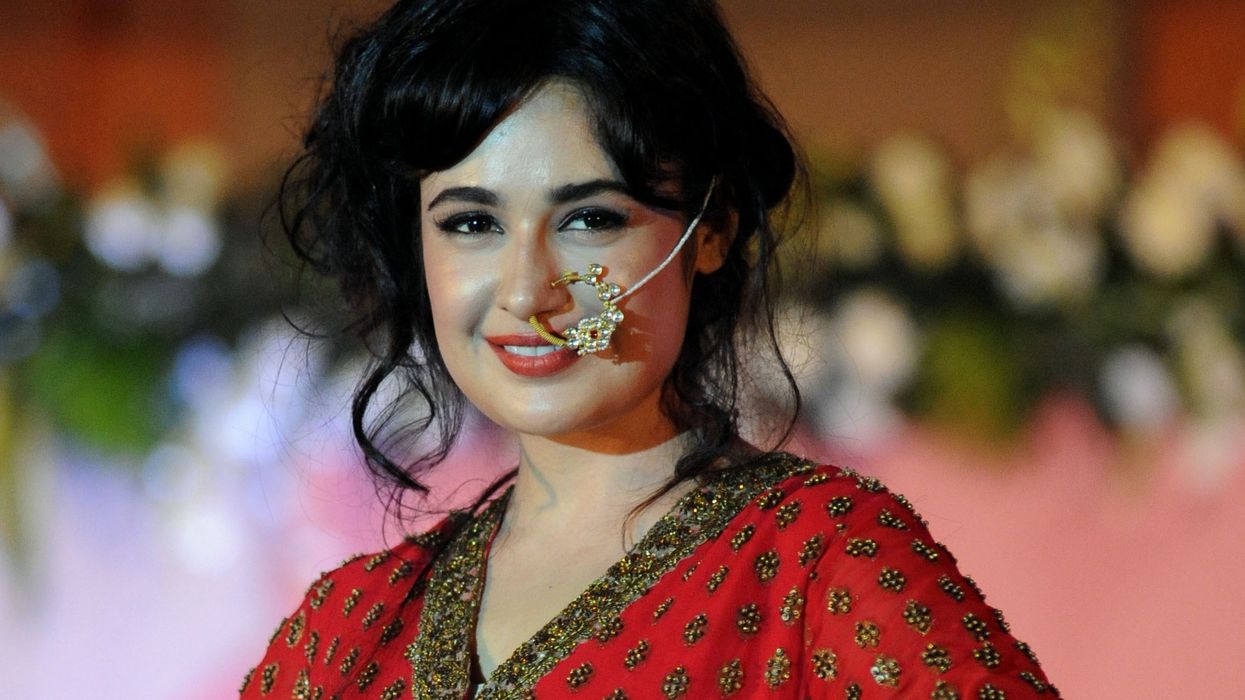
Yuvika Choudhary, who has been a part of films like Om Shanti Om, Toh Baat Pakki, Naughty @ 40, and others, recently got caught up in a controversy. The actress on her vlog used a casteist slur and it didn’t go down well with people on social media.


The video of Yuvika using the casteist slur went viral on Twitter and #ArrestYuvikaChoudhary has been trending on the micro-blogging site. However, Yuvika has apologised for it on Twitter.

The actress tweeted, “Hi guys I didn’t kw the meaning about that word  wt I used in my last vlog I didn’t mean to hurt anyone and I can never do that to hurt  someone  I apologise to each n every one I hope you understand love you all.”

In recent times, this is the second time when an actress has used the casteist slur and has faced the wrath of people on social media. A few days ago, Taarak Mehta Ka Ooltah Chashmah actress Munmun Dutta had also used the same casteist slur and at that time #ArrestMunmunDutta was trending on Twitter.

Later, Dutta had also posted an apology on Twitter.

Talking about Yuvika, apart from films, the actress has also done Television. She has been a part of reality shows like Bigg Boss 9, Nach Baliye 9, and others.

More For You

Samir Zaidi

Two Sinners marks Samir Zaidi’s striking directorial debut

Samir Zaidi, director of 'Two Sinners', emerges as a powerful new voice in Indian film

Indian cinema has a long tradition of discovering new storytellers in unexpected places, and one recent voice that has attracted quiet, steady attention is Samir Zaidi. His debut short film Two Sinners has been travelling across international festivals, earning strong praise for its emotional depth and moral complexity. But what makes Zaidi’s trajectory especially compelling is how organically it has unfolded — grounded not in film school training, but in lived observation, patient apprenticeships and a deep belief in the poetry of everyday life.

Zaidi’s relationship with creativity began well before he ever stepped onto a set. “As a child, I was fascinated by small, fleeting things — the way people spoke, the silences between arguments, the patterns of light on the walls,” he reflects. He didn’t yet have the vocabulary for what he was absorbing, but the instinct was already in place. At 13, he turned to poetry, sensing that the act of shaping emotions into words offered a kind of clarity he couldn’t find elsewhere. “I realised creativity wasn’t something external I had to chase; it was a way of processing the world,” he says. “Whether it was writing or filmmaking, it came from the same impulse: to make sense of what I didn’t fully understand.”

Keep ReadingShow less