
Highlights
- US and Iran fail to reach agreement after 21-hour talks in Islamabad
- Both sides blame each other as ceasefire remains in focus
- Disputes over nuclear programme and Strait of Hormuz persist
- Pakistan, Australia call for continuation of ceasefire and talks
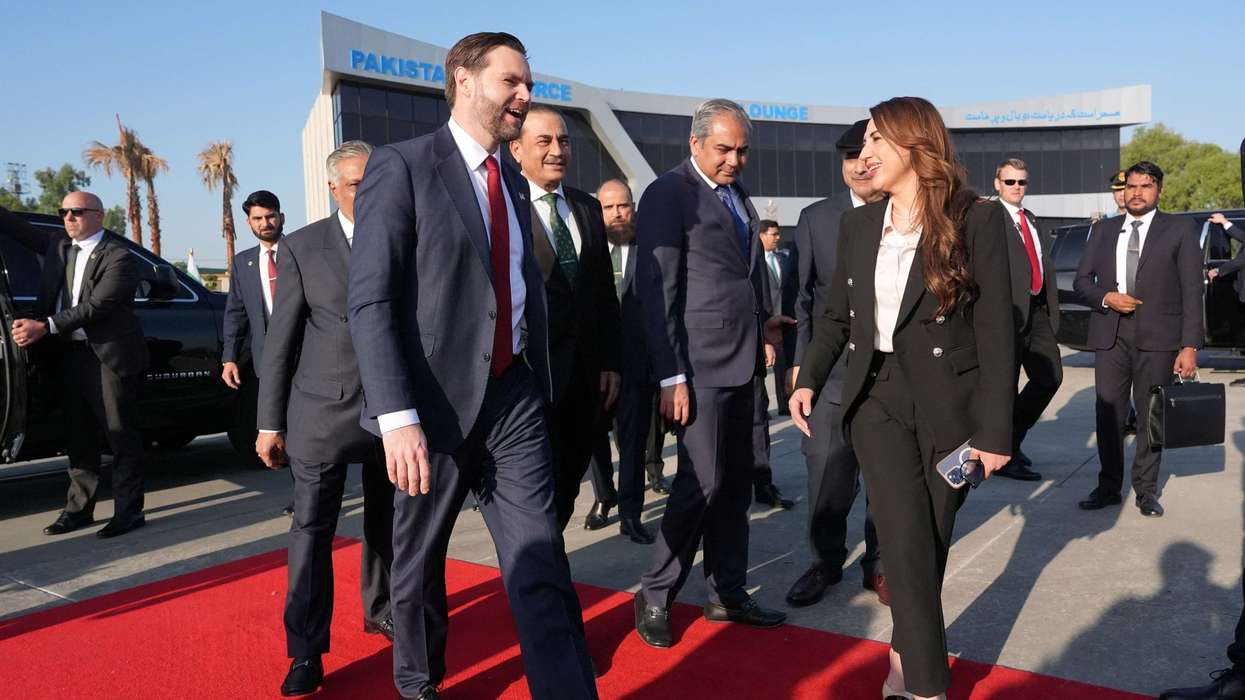
THE US and Iran failed to reach an agreement after 21-hour talks in Islamabad, with both delegations leaving Pakistan on Sunday. The outcome puts focus on a two-week ceasefire agreed earlier in the week.
Each side blamed the other for the failure of the negotiations, which were aimed at ending fighting that has killed thousands and affected global oil prices since it began over six weeks ago.
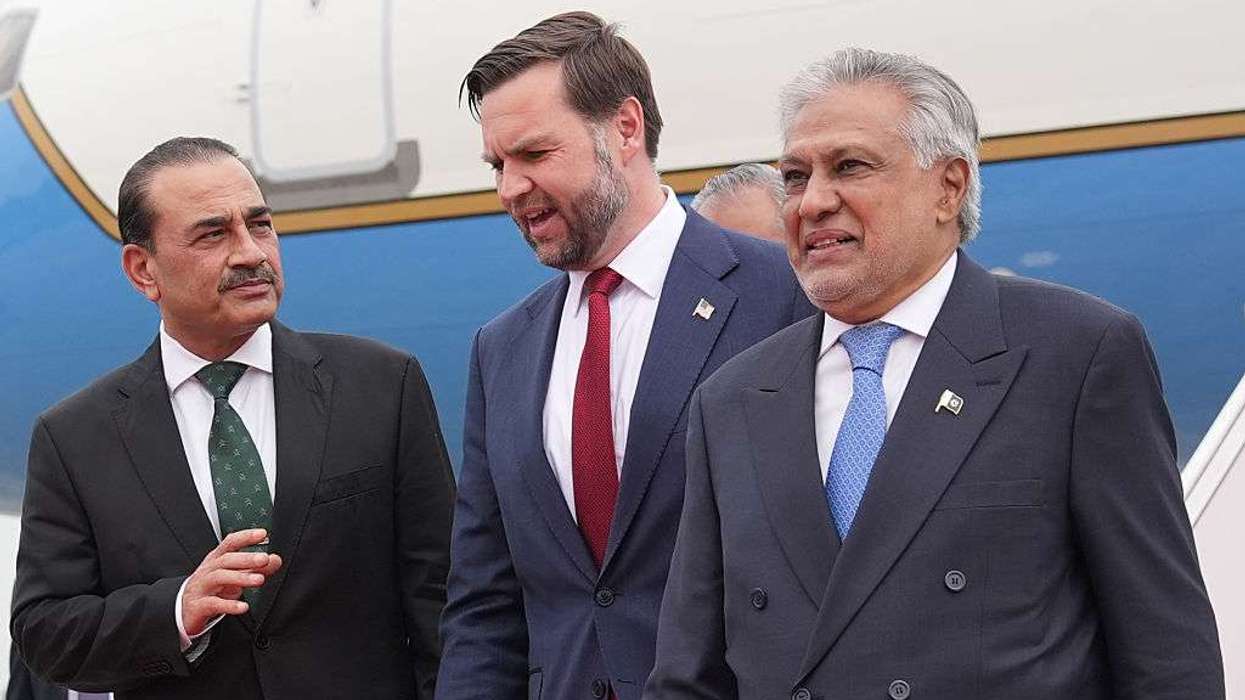
"The bad news is that we have not reached an agreement, and I think that's bad news for Iran much more than it's bad news for the United States of America," US vice president JD Vance told reporters before departing Islamabad.
"So we go back to the United States having not come to an agreement. We've made very clear what our red lines are."
Vance said Iran had not accepted US terms, including a commitment not to build nuclear weapons.
ALSO READ: US, Iran leaders meet in Islamabad for peace talks to end war
"We need to see an affirmative commitment that they will not seek a nuclear weapon and they will not seek the tools that would enable them to quickly achieve a nuclear weapon. That is the core goal of the president of the United States, and that's what we've tried to achieve through these negotiations."
The talks followed a ceasefire agreed on Tuesday and were the first direct US-Iran meeting in more than a decade, and the highest-level discussions since the 1979 Islamic Revolution.
Iranian media said US demands were "excessive" and had blocked an agreement. Iran's foreign ministry said the talks took place in an atmosphere of mistrust.
"It is natural that we should not have expected to reach agreement in just one session," a spokesperson was quoted as saying.
Foreign ministry spokesperson Esmaeil Baqaei also said: "Naturally, from the beginning we should not have expected to reach an agreement in a single session. No one had such an expectation."
ALSO READ: Israeli strikes in Lebanon raise doubts over US-Iran ceasefire
Iranian state broadcaster IRIB said: "The Iranian delegation negotiated continuously and intensively for 21 hours in order to protect the national interests of the Iranian people; despite various initiatives from the Iranian delegation, the unreasonable demands of the American side prevented the progress of the negotiations. Thus the negotiations ended."
Baqaei earlier said: "The success of this diplomatic process depends on the seriousness and good faith of the opposing side, refraining from excessive demands and unlawful requests, and the acceptance of Iran's legitimate rights and interests."
Pakistan's Foreign Minister Ishaq Dar said it was "imperative" to maintain the ceasefire.
"It is imperative that the parties continue to uphold their commitment to ceasefire," he said.
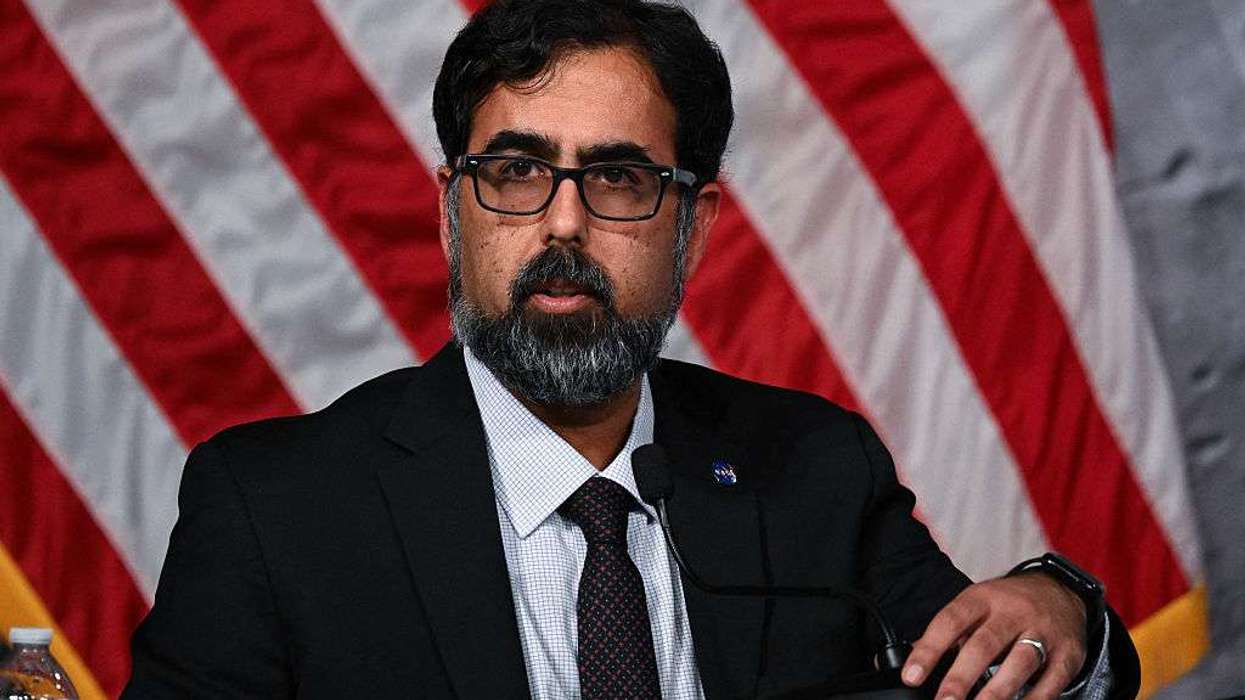
Australian Foreign Minister Penny Wong said: "The priority now must be to continue the ceasefire and return to negotiations," adding it was "disappointing that the Islamabad talks between the United States and Iran have ended without agreement".
Israeli security cabinet minister Zeev Elkin said more talks were possible but warned: "The Iranians are playing with fire."
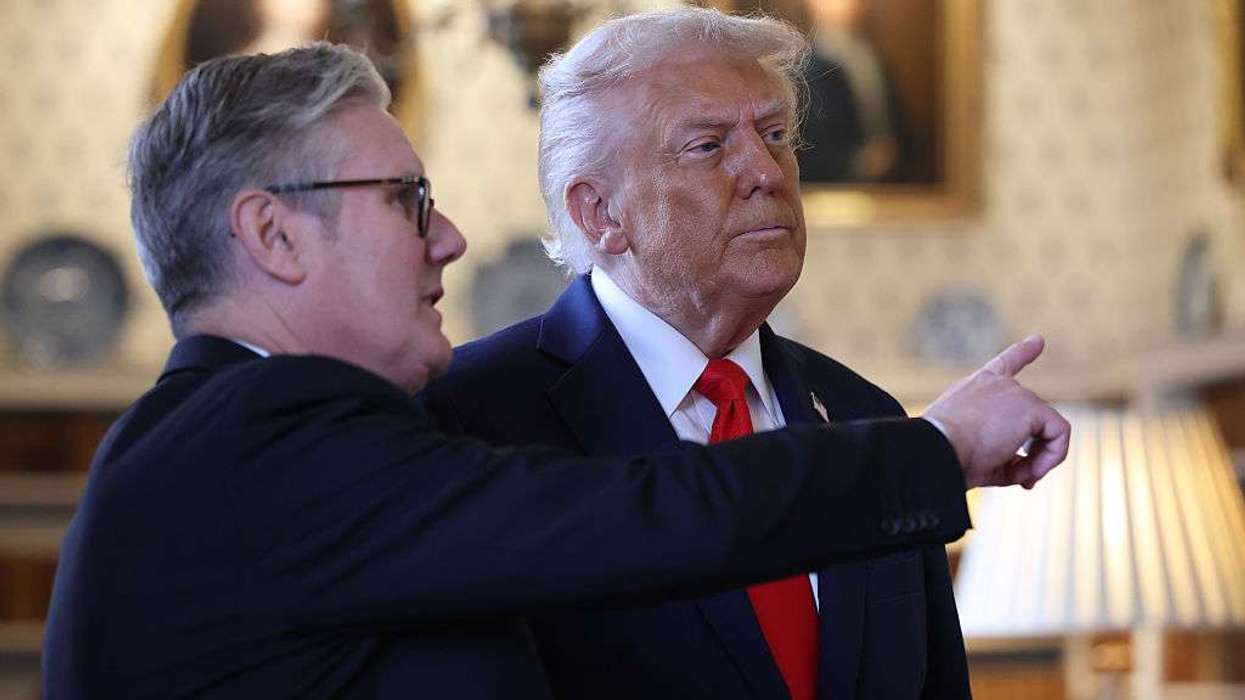
ALSO READ: Starmer begins Gulf tour, calls for action to reopen Strait of Hormuz
During the talks, Vance said he had spoken with President Donald Trump multiple times. Trump said on Saturday that a deal was not necessary.
"We're negotiating. Whether we make a deal or not makes no difference to me, because we've won," he said, adding earlier it "makes no difference" if a deal is reached.
The US delegation included special envoy Steve Witkoff and Jared Kushner. Iran's team included parliamentary speaker Mohammad Baqer Qalibaf and Foreign Minister Abbas Araqchi.
The talks saw differences over Iran's nuclear programme and the Strait of Hormuz. Iran has demanded control of the strait, payment of war reparations and a ceasefire across the region, including in Lebanon. It has also sought to collect transit fees in the strait.
ALSO READ: Iran threatens further attacks after Trump warning
The US has called for free passage through the Strait of Hormuz and limits on Iran's nuclear enrichment programme. Tehran has denied seeking a nuclear weapon.
Iran also rejected US claims that American naval vessels had cleared mines in the strait, warning that military ships attempting passage "will be dealt with severely".
About 20 per cent of global energy supplies pass through the Strait of Hormuz.
Despite tensions, three oil supertankers passed through the strait on Saturday, in what appeared to be the first such movement since the ceasefire. Hundreds of tankers remain in the Gulf waiting to exit during the ceasefire period.
A Pakistani source said there were "mood swings" during the talks and that "the temperature went up and down".
Before the talks, an Iranian source said the US had agreed to release frozen assets held abroad, including in Qatar, but a US official denied this.
The conflict began on February 28 with air strikes by the US and Israel on Iran. Israel has continued strikes on Hezbollah in Lebanon, saying the conflict there is not part of the ceasefire.
The Israeli military said it struck Hezbollah rocket launchers overnight between Saturday and Sunday. Smoke was seen in southern Beirut on Sunday. Air raid sirens also sounded in Israeli villages near the border.
Separately, Saudi Arabia said its east-west oil pipeline had been restored after attacks by Iran on Gulf infrastructure. The Saudi Press Agency said the attacks caused a loss of about 700,000 barrels per day of pumping capacity, and work was ongoing to restore full production at the Khurais oil field.
(With inputs from agencies)