
- UK manufacturers face nearly £1bn rise in business rates
- Up to 25,000 jobs could be at risk, industry warns
- Higher energy and wage costs add to sector pressure
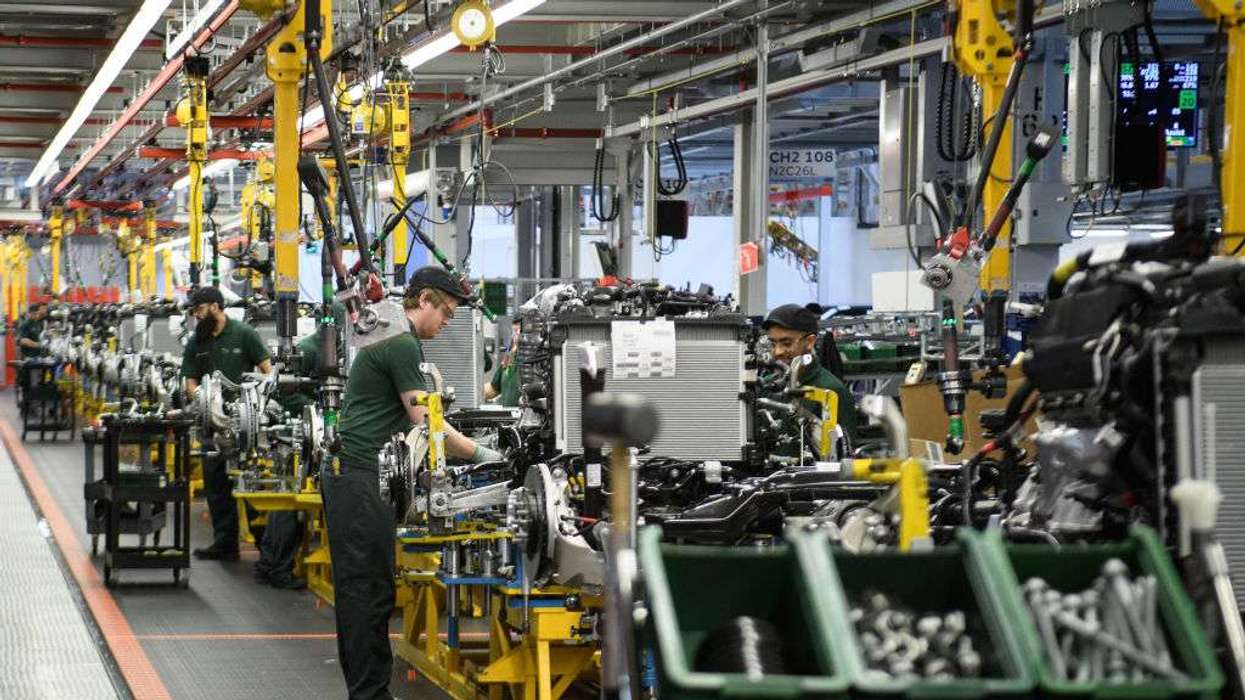
Britain’s manufacturing sector is warning of fresh strain as changes to UK business rates come into force, with industry leaders saying the tax shift could cost firms close to £1 billion and put thousands of jobs at risk.
New analysis from Make UK suggests factories will pay an additional £939 million in business rates this year following reforms introduced under Rachel Reeves. The changes, which took effect in April, are part of a broader rethink of how commercial properties are taxed.
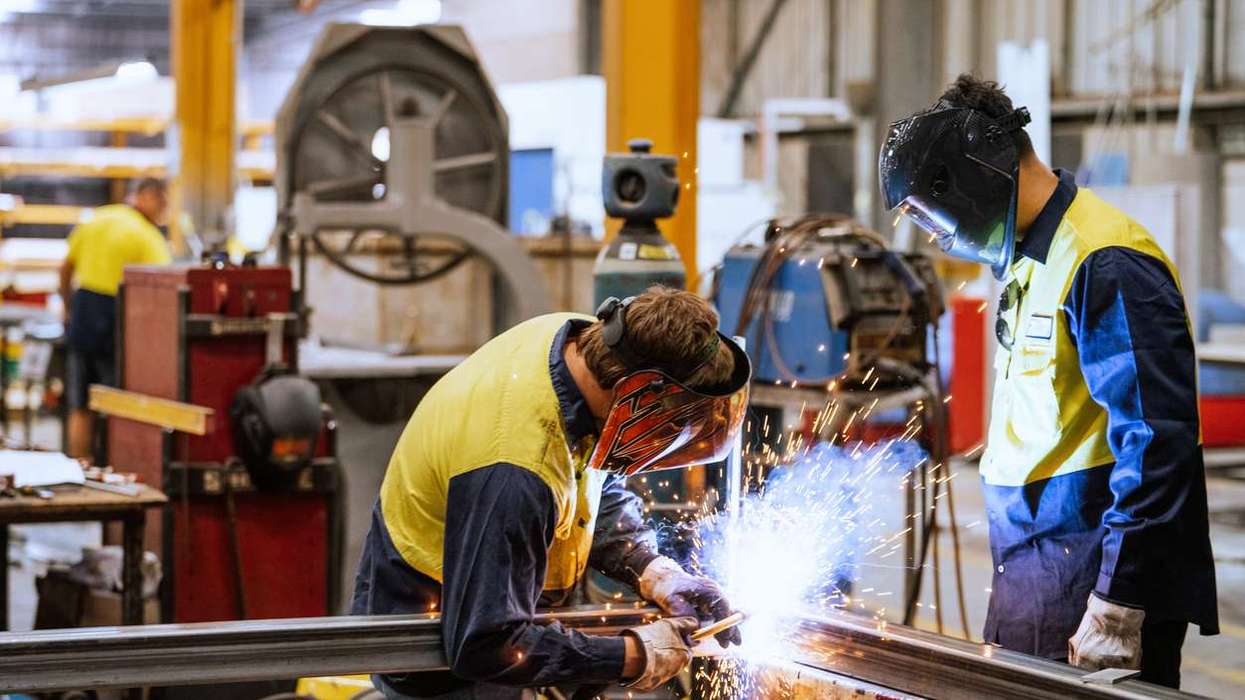
The concern is simple. Many manufacturers, already dealing with rising energy bills and higher wage costs, may struggle to absorb the increase. With limited room to raise prices in a weak economy, firms could be forced to cut back elsewhere — most likely jobs.
Make UK estimates that as many as 25,000 roles could be at risk as companies try to manage the added burden.
A system that hits factories harder
At the heart of the issue is how business rates are calculated. The tax is based on a property’s “rateable value”, essentially how much rent it could command. For manufacturers, this creates a structural disadvantage.
Factories tend to occupy large spaces, meaning they face higher tax bills even if their revenues are similar to smaller businesses in other sectors. According to industry estimates, manufacturing sites account for more than 20 per cent of total rateable property value across England and Wales, despite contributing roughly 10 per cent of economic output.
Verity Davidge of Make UK reportedly said the system is “outdated” and disproportionately penalises manufacturers compared to other industries.
The latest changes add to that imbalance. Properties with a rateable value above £500,000 are now subject to higher rates, pulling many large factories into a more expensive bracket.
There are also unintended consequences. Investments in energy-saving upgrades, such as solar panels, could push up a site’s value — and in turn its tax bill — discouraging firms from going green.
Growth plans meet economic reality
The timing of the increase has raised eyebrows within the industry. Manufacturers are already navigating a difficult environment shaped by rising minimum wages — now £12.71 per hour — and higher energy costs linked to global tensions.
Some economists have also flagged broader risks to employment. Analysts at ING have suggested that the ongoing conflict involving the US, Israel and Iran could cost up to 100,000 UK jobs through higher energy prices and weaker business conditions.
Make UK has urged the government to rethink its approach. Suggestions include linking business rates more closely to turnover, making the system more reflective of actual performance, and giving companies at least 12 months’ notice before changes take effect.
The government, however, maintains that its wider strategy supports businesses. A spokesperson pointed to a £4.3 billion relief package aimed at limiting bill increases, alongside measures such as capping corporation tax at 25 per cent and cutting energy costs for thousands of firms.
For now, manufacturers appear to be caught between policy intent and practical impact. The sector remains central to the UK’s economic plans, but as costs rise across the board, the question is whether firms can keep pace — or whether jobs will bear the brunt.