
- UK house prices rise 3 per cent annually in April
- Average property value reaches £278,880
- Market recovery continues despite falling buyer confidence
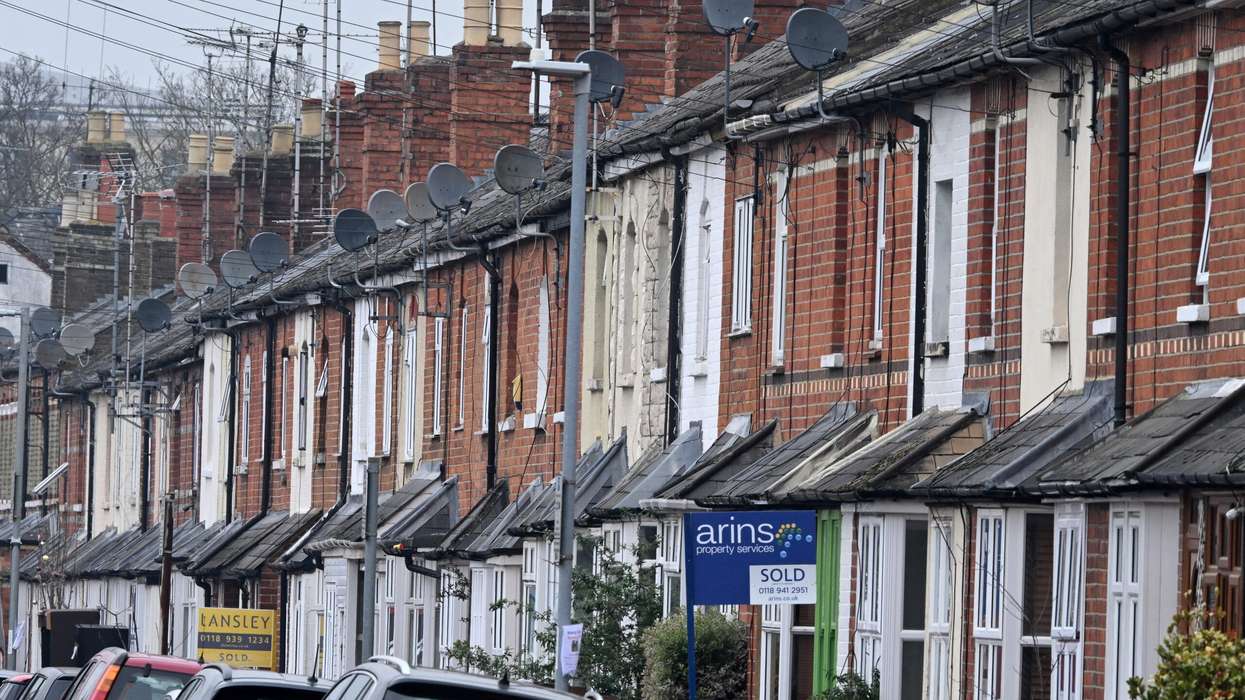
UK house prices saw an unexpected lift in April, suggesting the housing market may be holding up better than many had anticipated. According to the latest data from Nationwide Building Society, annual house price growth rose to 3 per cent, up from 2.2 per cent in March. On a monthly basis, prices increased by 0.4 per cent, taking the average UK house price to £278,880.
This comes at a time when concerns around the Iran conflict and interest rate uncertainty were expected to weigh on buyer sentiment. There had been a growing view that potential homeowners would delay purchases, waiting for more favourable mortgage conditions.
Instead, the data suggests the UK housing market may be regaining some momentum after a quieter winter period.
Confidence dips, but buyers haven’t vanished
The broader economic backdrop tells a more cautious story. Consumer confidence has dropped to its lowest level in over two years, marking a third consecutive monthly decline. At the same time, the Royal Institution of Chartered Surveyors reported a noticeable fall in new buyer enquiries in March, hinting that some households are still holding back.
Even so, Robert Gardner, chief economist at Nationwide, pointed to relatively stable household finances as a possible reason the market has not stalled. He noted that debt levels remain low compared to income and that affordability has been gradually improving, as quoted in a news report.
Part of that improvement has come from wages rising faster than house prices in recent years, alongside a modest easing in mortgage rates.
Stability for now, but questions remain
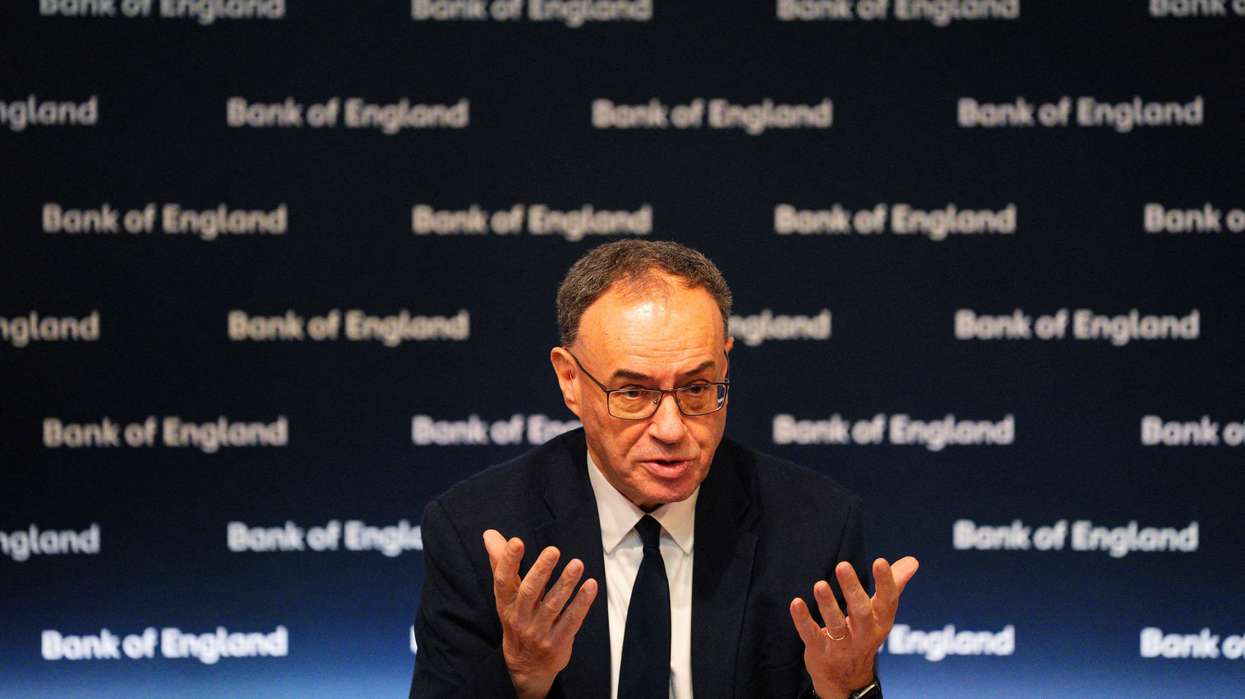
There are also signs that policy decisions are helping steady the market, at least for now. The Bank of England recently held interest rates, a move some in the property sector believe could support buyer confidence in the short term.
Jason Tebb of OnTheMarket said the market continues to show resilience despite economic pressures, reportedly said in a statement.
Still, there are warnings that this recovery may not be straightforward. Gardner suggested that economic growth could weaken and inflation rise further due to developments in the Middle East, which may feed through to borrowing costs.
Adding to that cautious outlook, both Knight Frank and Barclays have recently lowered their forecasts for house price growth this year.
For now, the housing market appears to be holding steady. Whether that resilience continues, or begins to fade under wider economic pressure, is still an open question.