
CHARITIES across the UK have launched their largest campaigns of the year during Ramadan, tapping into what research shows is one of the most generous donor communities in the country. Donations by British Muslims are estimated to be in the region of £200 million during the holy month.
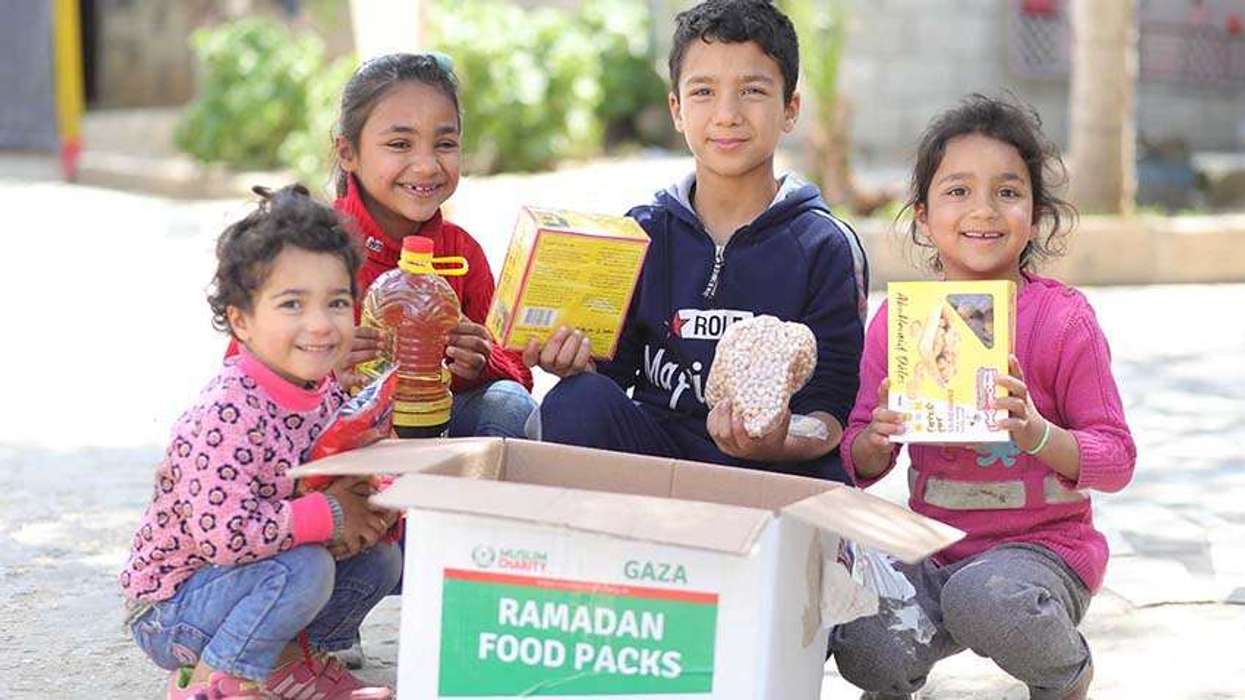
The scale and diversity of this year’s Ramadan appeals reflect both the generosity of Muslim communities and the pressing challenges facing vulnerable people both in Britain and overseas. Good causes include feeding families in Gaza and Yemen, supporting prisoners observing Ramadan behind bars, tackling domestic violence and addressing food poverty in the UK. Charities are mobilising supporters for a month that represents the peak of charitable giving in the Islamic calendar.
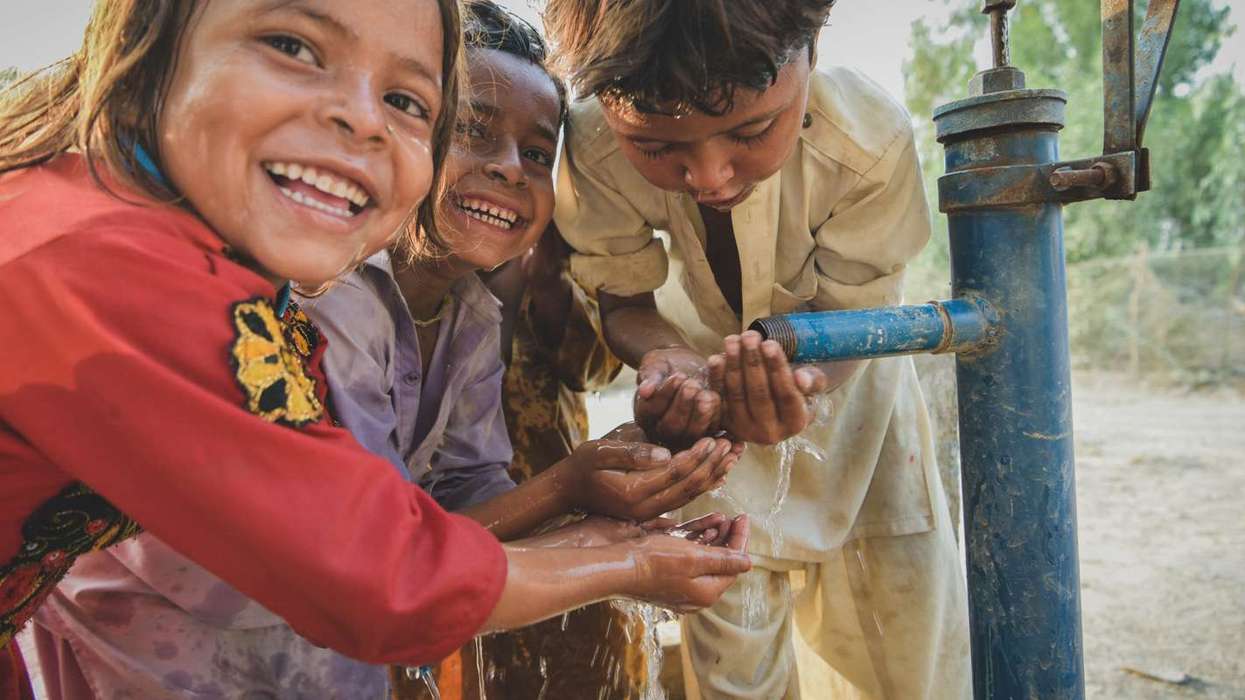 Global Rahmah Foundation funds clean water projectsGlobal Rahmah Foundation
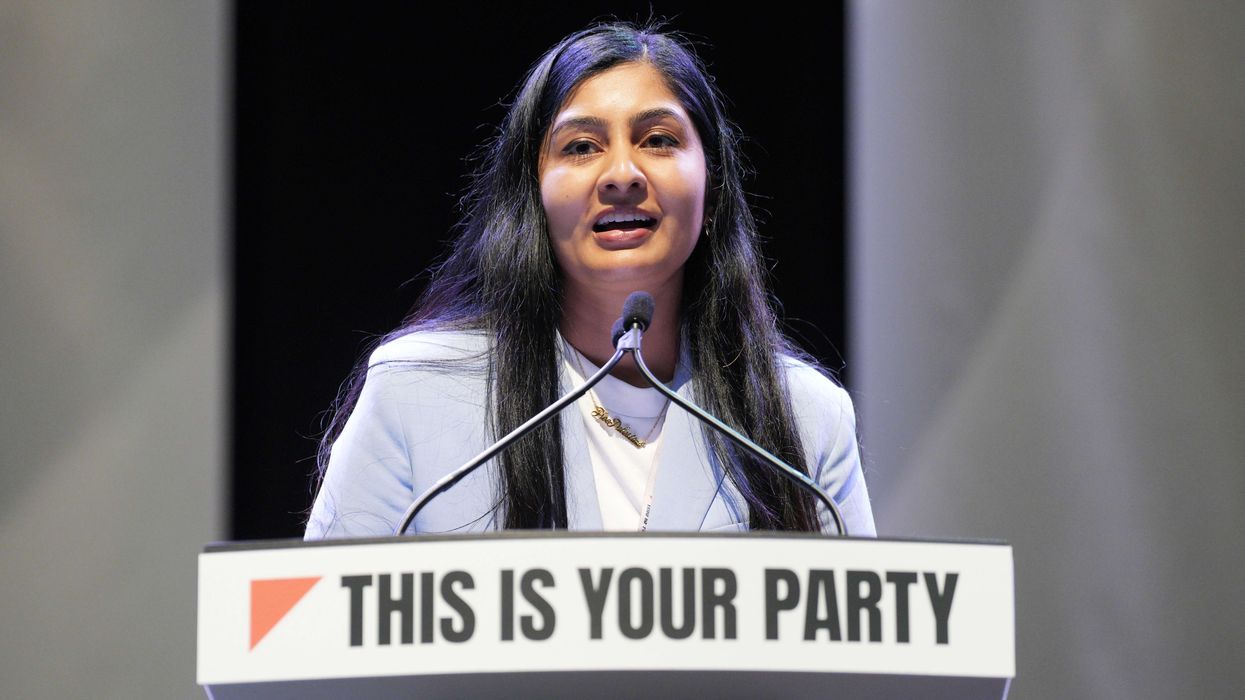
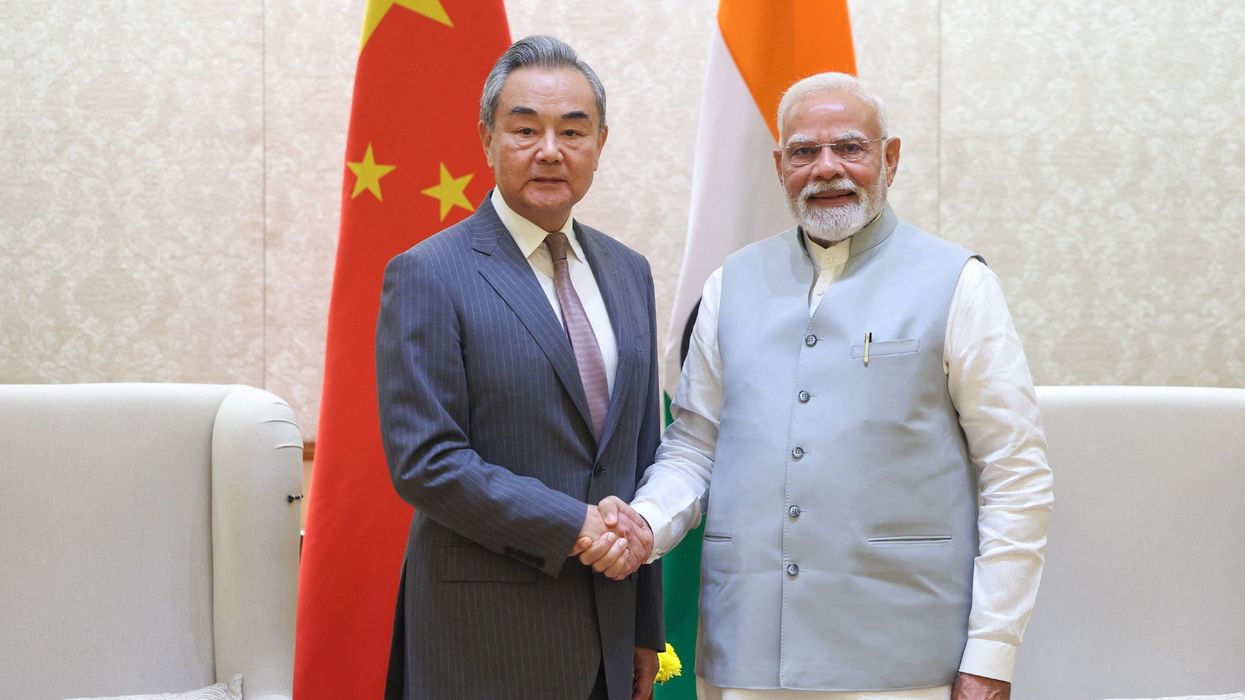
The Muslim Council of Britain has launched “Hungry for Change”, a nationwide campaign which aims to increase voter participation ahead of local elections on May 7. The initiative encourages Muslims to register to vote and engage politically during Ramadan, a time traditionally associated with reflection and community action.
“The rising threat of fragmented politics and hateful rhetoric against faith communities is a challenge we must unite against,” the campaign said, noting that Ramadan is “a moment of empowerment and collective action for our community”.
The organisation called on Muslims to host hustings events in mosques, join political education webinars and become community champions to ensure British Muslim voices are heard. International relief efforts feature also prominently in this year’s appeals.
 Ramadan Behind Bars 2026 collects welfare packs for prisonersHimaya Haven
Global Relief Trust is continuing aid work across 15 countries, while Global Rahmah Foundation is running programmes including Feed the Fasting, Water for Life and Little Rahmah Sponsorship for orphans.
Islamic Relief UK is hosting interfaith “green iftars” as part of their eco Ramadan campaign, bringing communities together to reflect on environmental stewardship.
“From providing food parcels in Gaza, Yemen, Uganda, Bangladesh, Afghanistan, Pakistan, Kashmir, Malawi and Syria to supporting Rohingya refugees and impoverished families around the world, your generosity fuels our mission to transform lives,” Global Relief Trust explained in their appeal.
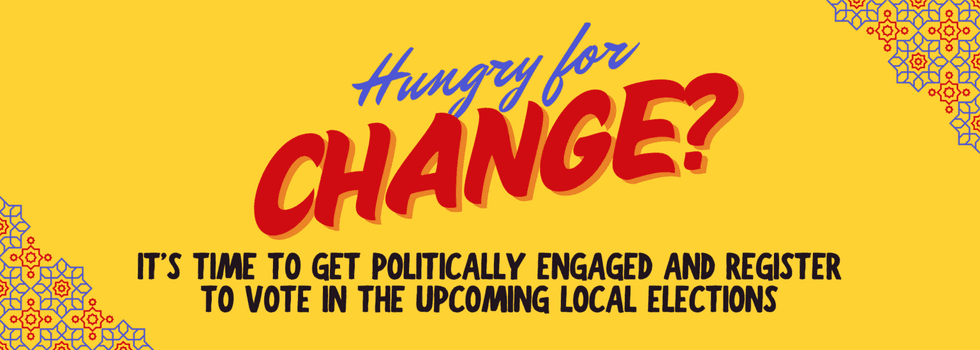 Muslim Council of Britain’s ‘Hungry for Change’ campaign urges voter registration ahead of May’s local electionsMuslim Council of Britain
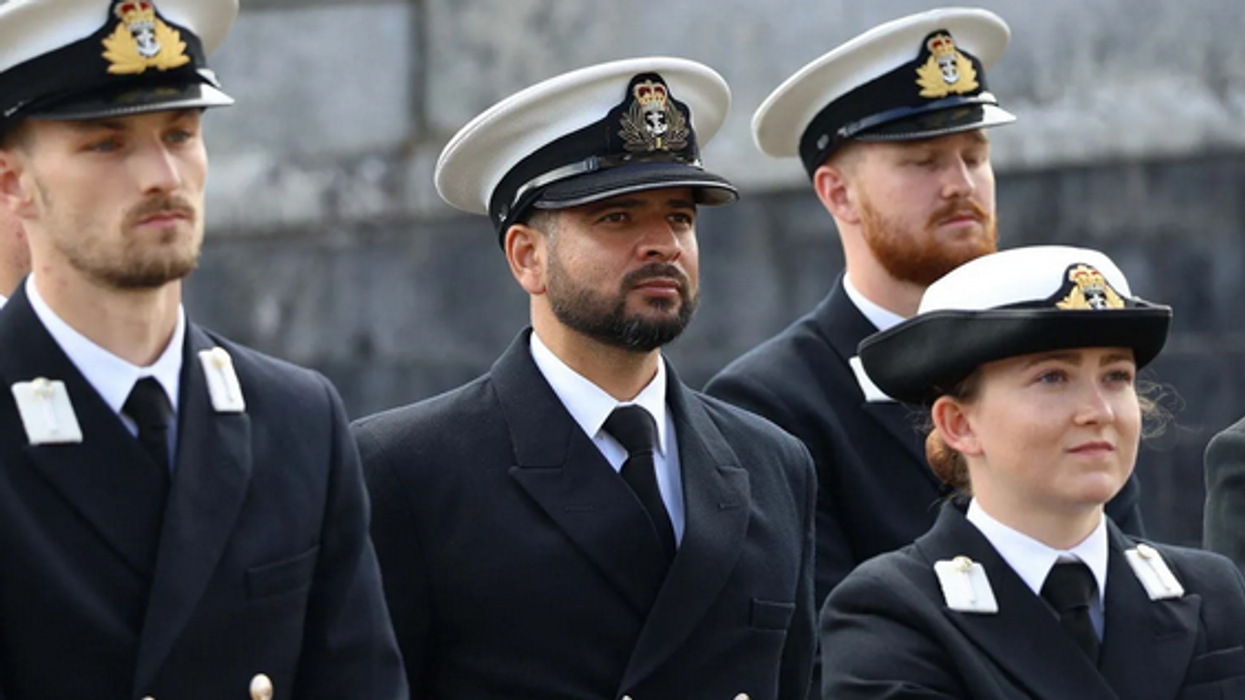
Domestic challenges are also receiving significant attention. Himaya Haven CIC, a Birmingham-based organisation, is supporting the families of loved ones in custody and prison, while the Ramadan Behind Bars 2026 campaign is collecting donations for welfare packs for Muslim prisoners across 14 prisons in England.
“Ramadan is a month of compassion, repentance, reflection, hope and reconnection,” the campaign said. “Everybody deserves to be able to practise their faith, which is why it is important for us to provide Muslim prisoners with the items they need to get the most out of Ramadan as a means of spiritual rehabilitation.”
The welfare packs include prayer mats, prayer hats, copies of the Qu’ran, dates and Islamic literature.
Food poverty in Britain remains a critical concern. Muslim Hands operates Open Kitchens in Hounslow, Nottingham and Manchester, providing free hot nutritious meals every day of the week to people facing food poverty, from rough sleepers and refugees to low-income families and the elderly. The charity noted that 46 per cent of Muslims live in the most deprived areas of England, while one in five people across the UK now struggle to put food on the table.
Islamic Aid is offering food packs for £50, which provides a family of five with one month’s food supplies, while Muslim Aid’s appeals range from £60 for essential food for war-affected families to £350 for life-saving medicine and healthcare facilities.
Penny Appeal has stressed transparency and accountability in its Ramadan campaign under the banner “Your Penny Our Promise”.
The charity said, “This is a month where every penny carries purpose, where generosity is measured by impact rather than amount, and where trust, transparency and accountability matter more than ever.”
The National Zakat Foundation or Al Mustafa Welfare Trust have set an ambitious target to “Help us Feed 1 Million this Ramadan 2026”, ensuring that nobody goes hungry during the holy month.
Research by Blue State in 2024 found that Muslims in the income bracket of £15,000 to £29,999 give 3.7 times more than comparable earners, while higher-earning Muslims donate ten times more, on average. This generosity persists even though 50 per cent of the UK’s Muslim population lives in poverty, compared to 17 per cent of the public.
As many as 17 per cent of British Muslims volunteered last year, compared to 11 per cent nationally, and they are twice as likely to participate in fundraising and challenge events. Much of this centres on Zakat, one of the five pillars of Islam.
Zakat is a religious obligation for eligible Muslims to give 2.5 per cent of their accumulated wealth annually.
A survey by the National Zakat Foundation found that while Zakat is the least understood of all five Islamic pillars, with only 60 per cent of Muslims feeling confident in calculating it accurately, it drives enormous charitable contributions.
Historically, 81 per cent of UK Zakat has been sent overseas, but this is changing.
The same research found that 88 per cent of British Muslims would be willing to give Zakat locally, if appropriate options existed. This represents a significant opportunity for both Islamic and secular charities working in Britain.
There are, however, some unfortunate challenges facing British Muslim communities during Ramadan.
Research shows that women seek greater support for domestic violence during the holy month, public hate crimes increase significantly, eating disorders affect Muslim teenagers more acutely, and half of Muslim households in the UK living in poverty struggle to put iftar on their table due to the rising cost of living crisis.
There are contemporary issues that the holy month also highlights.
Islamic Relief UK said they will host an event titled “Together at the Table: An Interfaith Green Iftar” at Al Manaar Mosque in London on March 6.
Another event on February 28, called “The Ethical Iftar with Green Deen Tribe”, will explore the spiritual impact of food and the harms of waste, with attendees asked to bring reusable containers to reduce single-use plastics.
Charity sector analysts are encouraging organisations to build authentic year-round relationships with Muslim donors, rather than simply launching Ramadan appeals. Experts note that 27 per cent of British Muslims spread their Zakat throughout the year. Additionally, 29 per cent give more through Sadaqah, voluntary charitable giving, than through Zakat, with another 43 per cent giving equally through both.
Experts recommend that organisations engage with local Muslim communities, scholars or organisations to ensure they can clearly explain which activities are Zakat-eligible and provide appropriate assurance about how Zakat donations will be tracked. As Ramadan begins, the breadth of appeals demonstrates both the depth of need and the capacity for generosity within British Muslim communities