
Highlights
- Three major companies withdraw support following political and public pressure.
- Brands face consumer backlash risks amid heightened antisemitism awareness in Britain.
- Festival loses title sponsorship as "Pepsi presents Wireless" branding removed.
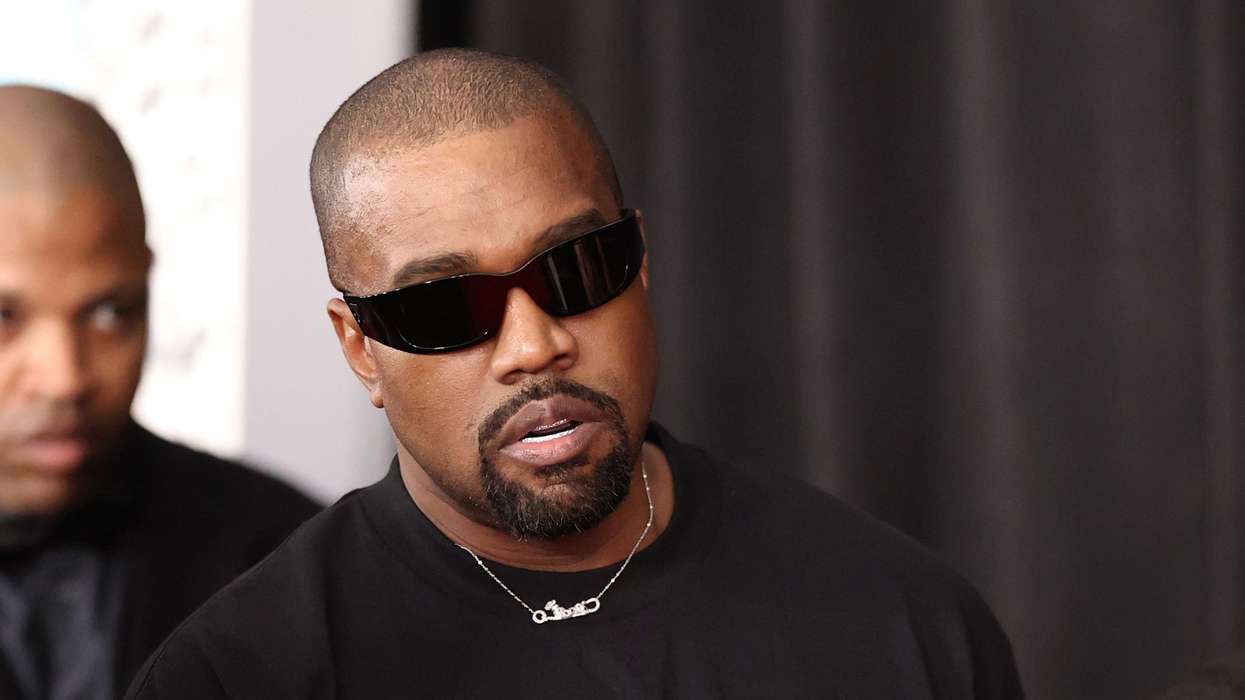
British branches of major global companies have moved quickly to cut ties with Kanye West's upcoming Wireless Festival performances, showing just how much brands fear being linked to a star facing serious antisemitism accusations.
Pepsi, Diageo and PayPal have all pulled out of the July event at Finsbury Park, where the rapper is due to headline three nights in a row.
The withdrawals show the real commercial risk UK companies now face when global controversy around antisemitism collides with their brand partnerships.
Pepsi, which had its name on the event as title sponsor under the "Pepsi presents Wireless" branding, was first to go, prompted after comedian Matt Lucas publicly called the company out on social media.
Diageo, which owns Johnnie Walker and Captain Morgan, followed within hours, saying it had raised its concerns directly with organisers.
PayPal's exit is particularly notable. The payment platform will no longer appear on any festival branding, despite being a ticketing partner through Live Nation UK Festivals.
The move fits a wider pattern of companies stepping back from West, who released a track called "Heil Hitler" and sold merchandise featuring swastikas.
Multiple pressure points
These departures are the result of several pressures hitting at once. West's antisemitic statements, including his publicly expressed admiration for Adolf Hitler and threats directed at Jewish people, have created a climate where brands risk immediate backlash for any perceived association with him.
Consumer pressure is real and direct. Public criticism can quickly turn into lost customers or organised boycotts, especially when senior politicians are actively drawing attention to the issue.
Starmer described West's booking as "deeply concerning," while London mayor Sadiq Khan said the rapper's past behaviour "is simply not reflective of London's values."
Antisemitism is also an especially sensitive issue in Britain right now, following recent incidents including an arson attack on ambulances belonging to Jewish volunteer organisation Hatzola in Golders Green.
The Campaign Against Antisemitism called on the Government to bar West from entering the UK entirely, arguing his presence would not be in the public interest.
MPs from both sides of the House, including Labour's Rachael Maskell and shadow home secretary Chris Philp, backed similar calls.
There are financial and legal layers too. Sponsorship contracts, insurance policies and contractual clauses can make partnerships with controversial figures costly to maintain or to exit.
Tottenham Hotspur reportedly turned down a request for West to perform at their stadium, partly because of the club's longstanding ties to London's Jewish community. It is a clear example of reputation taking priority over revenue.
West issued a public apology for his antisemitic comments in January, through a full-page ad in the Wall Street Journal.
He blamed his behaviour on bipolar disorder and a brain injury, writing that he had "lost touch with reality" during manic episodes.
The apology was widely met with scepticism, with many critics noting it coincided with an upcoming album release and tour.
What this episode makes clear is that UK companies are now operating in an environment where linking your name to someone accused of hate speech carries fast and serious consequences, whatever apologies or explanations may follow.