
- SpaceX plans to raise around £60bn ($75bn) in a potential record IPO
- Retail investors could get up to 30 per cent allocation
- Valuation target jumps sharply from earlier private market levels
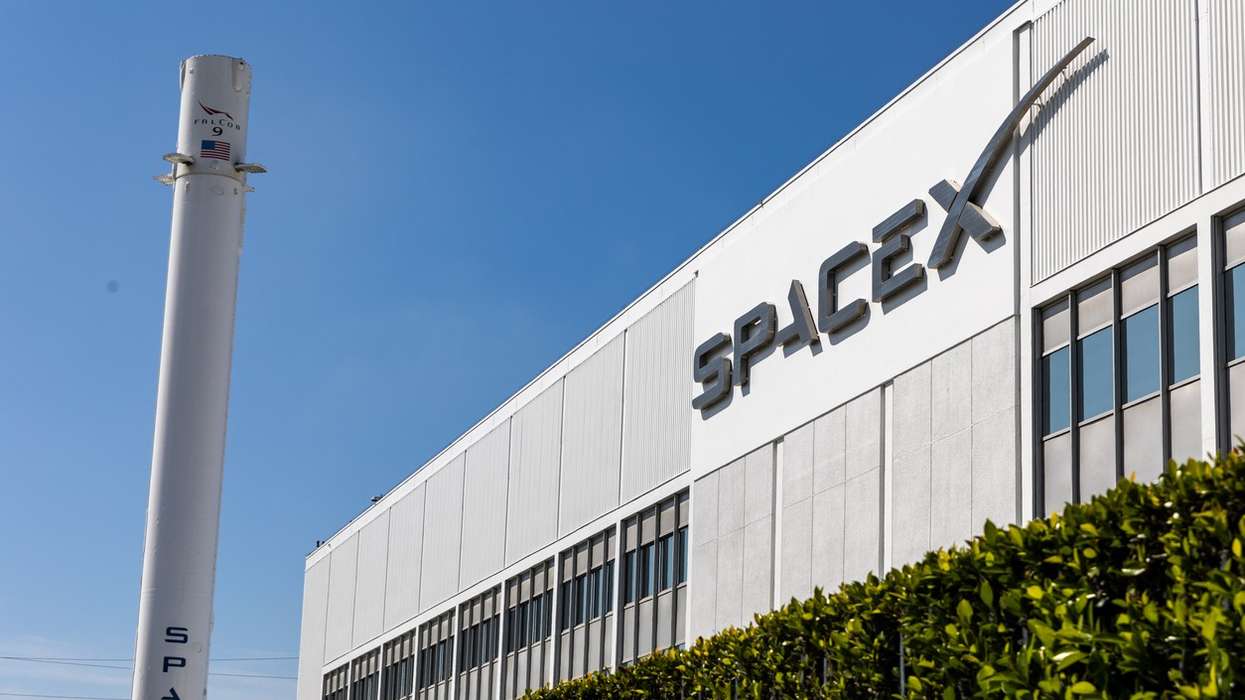
SpaceX is preparing for what could become one of the biggest moments in market history, with plans for a SpaceX IPO that may raise around £60bn ($75bn) and push its valuation close to £1.4tn ($1.75tn). But beyond the size, it is the structure of the deal that is drawing attention.
According to people familiar with the discussions, the company is looking to give retail investors a far bigger role than is typically seen in public listings. That could mark a shift in how large IPOs are usually allocated, where institutional investors tend to dominate.
At a recent meeting with bankers, SpaceX executives indicated that a significant portion of shares would be set aside for individual investors. Chief financial officer Bret Johnsen said retail participation would be “critical” and larger than in any IPO so far, reportedly said in a news report. The thinking appears to be rooted in long-standing support from smaller investors towards the company and its chief executive, Elon Musk.
A different kind of IPO playbook
The scale of retail involvement being discussed is unusual. Reports suggest as much as 30 per cent of shares could be allocated to individual investors, compared with the more typical 5 to 10 per cent seen in most listings.
To support that approach, SpaceX is planning a dedicated investor event on June 11, expected to host around 1,500 retail participants from markets including the US, UK, Europe, Australia, Canada, Japan and South Korea. The IPO roadshow is likely to begin during the week of June 8, with analysts meeting the company just ahead of that.
Bankers involved in the deal have indicated that demand from retail investors could be unlike anything seen before, reportedly said in a news report. The final structure of the offering, however, is still being worked out and may change closer to launch.
The deal itself is being led by major financial institutions including Morgan Stanley, Bank of America, Citigroup, JPMorgan and Goldman Sachs, alongside several other banks handling global distribution.
Valuation leaps raise fresh questions
If the target valuation holds, it would mark a sharp step up from SpaceX’s recent private market benchmarks. A tender offer in December 2025 valued the company at around £640bn ($800bn). That was followed by its merger with Musk’s AI venture xAI in February, which set a combined valuation of roughly £1tn ($1.25tn).
The proposed IPO valuation would take that even higher, placing SpaceX among the most valuable companies globally.
For now, much of this remains subject to change. The prospectus is expected to be released in late May, which should offer clearer details on pricing, allocation and overall structure.
What seems evident, though, is that SpaceX is not just testing investor appetite — it may also be testing whether the traditional IPO model still holds, or whether a more retail-driven approach could reshape how future listings are done.