
Skip to content
Search

Latest Stories

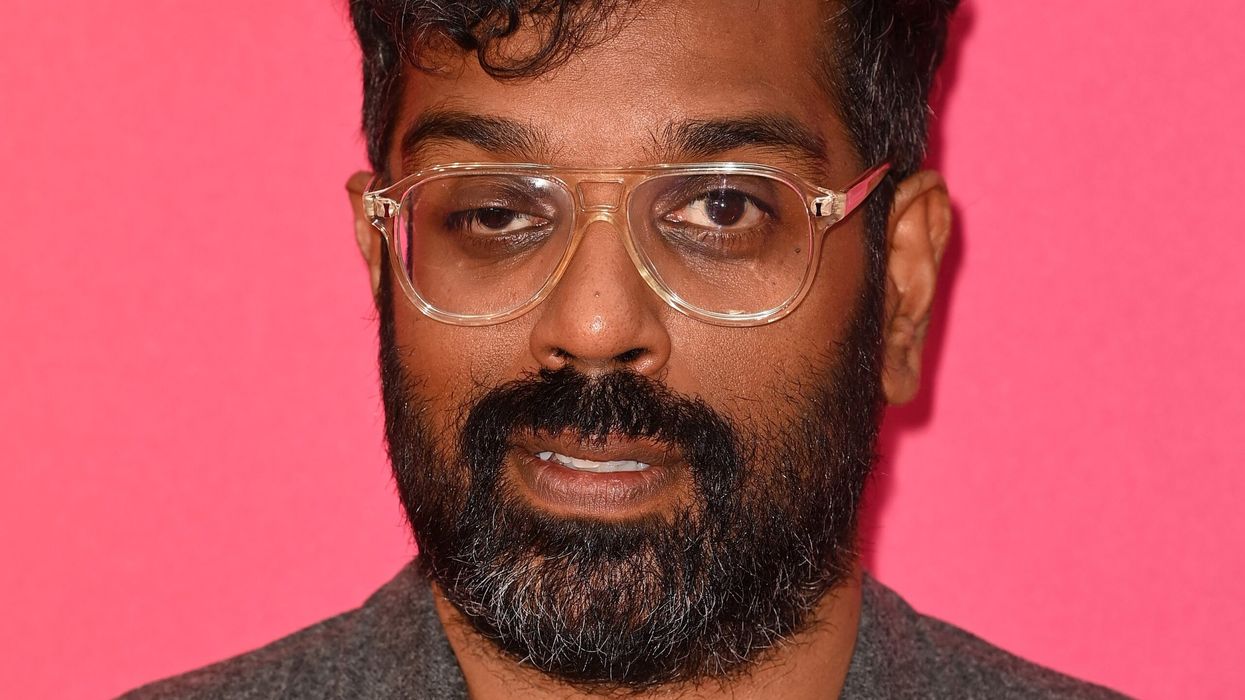
Romesh Ranganathan reveals he was racially abused

Ranganathan earlier opened up about his difficult childhood.

Romesh Ranganathan reveals he was racially abused

Popular British-Sri Lankan comedian Romesh Ranganathan has made a shocking revelation. The 45-year-old said that he was racially abused at his private school.

Ranganathan revealed that he was “racially abused” during his time at the independent Reigate Grammar School, which he attended from 1990 to 1992, and that he was seen as an “outsider” by the other boys.


“My parents had come from Sri Lanka and they were obsessed with me going to private school. I didn’t enjoy my time there. I was a bit of an outsider. Without getting too dark, I was racially abused,” he told Radio Times. “So, I wasn’t that bothered about leaving. I went to a state school, had a great time, and went on to teach at that same school – which is where I met my wife.”

Ranganathan earlier opened up about his difficult childhood and how their home was repossessed after his accountant father was jailed for two years for fraud.

“This all happened very, very quickly. It was a struggle,” he added, “My mum found out my dad had been messing around. He fell into financial difficulty so we ended up getting our house taken away. We were supposed to go into a council flat, but they didn't have enough so we were in a bed-and-breakfast for a year and a half. And my dad was in prison. It was insane.”

In 2022 Ranganathan bought a £3m home just five miles from the terrace house where he spent his childhood.

Stay tuned to this space for more updates!

More For You

Samir Zaidi

Two Sinners marks Samir Zaidi’s striking directorial debut

Samir Zaidi, director of 'Two Sinners', emerges as a powerful new voice in Indian film

Indian cinema has a long tradition of discovering new storytellers in unexpected places, and one recent voice that has attracted quiet, steady attention is Samir Zaidi. His debut short film Two Sinners has been travelling across international festivals, earning strong praise for its emotional depth and moral complexity. But what makes Zaidi’s trajectory especially compelling is how organically it has unfolded — grounded not in film school training, but in lived observation, patient apprenticeships and a deep belief in the poetry of everyday life.

Zaidi’s relationship with creativity began well before he ever stepped onto a set. “As a child, I was fascinated by small, fleeting things — the way people spoke, the silences between arguments, the patterns of light on the walls,” he reflects. He didn’t yet have the vocabulary for what he was absorbing, but the instinct was already in place. At 13, he turned to poetry, sensing that the act of shaping emotions into words offered a kind of clarity he couldn’t find elsewhere. “I realised creativity wasn’t something external I had to chase; it was a way of processing the world,” he says. “Whether it was writing or filmmaking, it came from the same impulse: to make sense of what I didn’t fully understand.”

Keep ReadingShow less