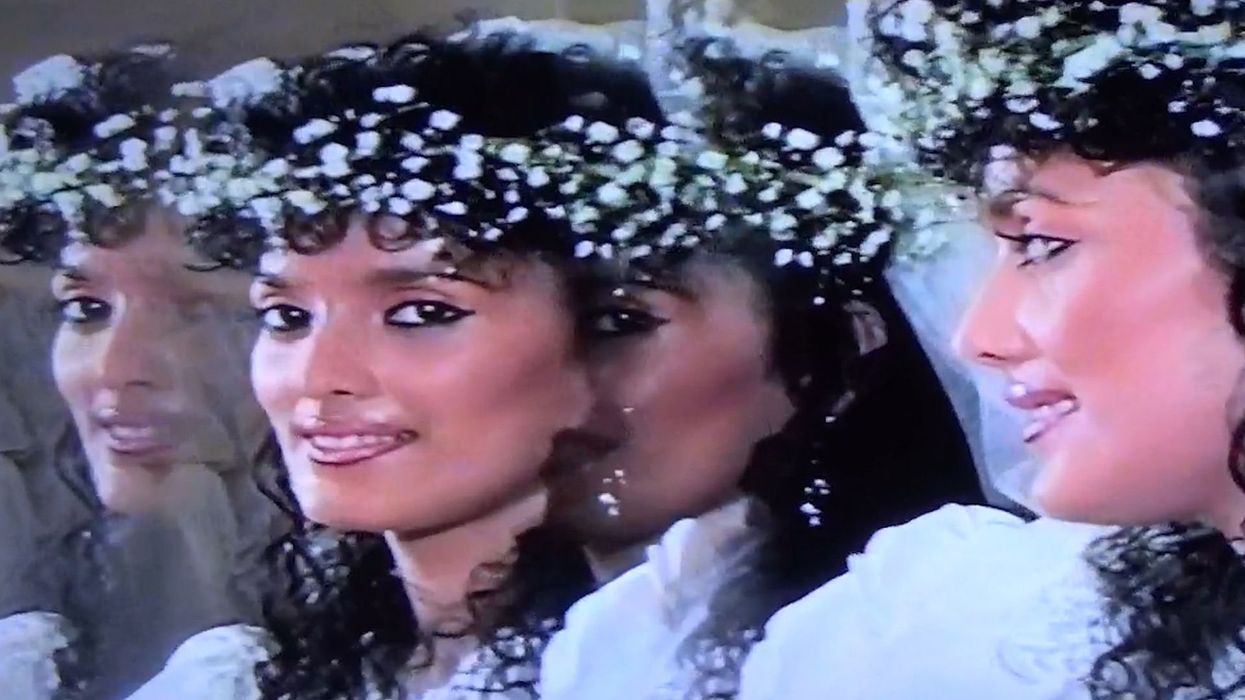
Everyone knows that Sehban Azim is a versatile actor, but very few know that he is a talented poet as well. The actor, who will be seen in new show Bepanaah, says that he started writing poems nine years back. “As a kid, I had this thought in my head that I can write poems. Firstly because I was good at rhyming sentence and secondly because I had so much in my head and had issues voicing it out. It might sound cliche, but I actually started writing after my first major heartbreak around 9 years back,” he says.
The actor adds, “I write in Hindi, English and Urdu. I've been asked to submit my poems at a few places but I haven't really sent them yet.”
He has often got very good feedback for his poems. “Fortunately I've been getting a good response from everyone who has been reading it. I'm so glad that people are able to connect with it. I, as a writer also make sure to make it as simple as possible,” he says.
Sehban adds that he likes to go with the flow with he is writing. “I don't pick a topic as such to write or decide what I will write next. I won't call myself a professional. For me, it’s just a thought or an idea and I pen it down,” he says.
The actor says that life is his biggest motivation. “I sometimes feel that we as humans miss out on minor details of life. We tend to ignore a lot of things unknowingly on a micro level, whereas they have a bigger message or meaning on a macro level. So I just want to voice out those nuances, emotions and thoughts for myself and for the ones who can relate,” he says.
Ask him what are the elements that contribute to good writing, and he says, “A right balance of emotions and words works for me. If I am able to convey my hidden emotions in my poetry by striking a chord with my heart and express this nicely in simple words, I am complete with it. I think all you need is a drop of emotion, garnished with a thought, that's provocative enough to make you think at a deeper level. You also need to be a keen observer and good with vocabulary to pen it nicely,” he says.
Writer’s block is a major challenge that all authors and poets undergo, and Sehban has also gone through it. “It does happen. sometimes while writing you feel stuck halfway and nothing comes out of your head. I usually leave it right there and I wait for the thought to come again. Which sometimes happens within a day or two or at times months. I still have a few half-written poems and thoughts waiting to be finished,” he says.
Ask him which is his favourite self-composed poem, and he says, “The ones that are special to me are the ones I've written for my late father. No other poetry has emotions more than them.”
A good poem is one with simplicity, says Sehban. “If you are able to convey or express your emotions in a few words and if it leads you to a conclusion with simplicity and without any contradiction, then the poem is well written. It’s important to read a lot, write a lot and it will come through,” he adds.
It is said that poets are romantic. Ask Sehban if that is true, and he says, “Well, absolutely, hopelessly romantic. No doubt about that. But they are lost at the same time...lost in some parallel world or some alternate reality.”