
Skip to content
Search

Latest Stories

Renowned actor Adnan Siddiqui contracts coronavirus

Renowned actor Adnan Siddiqui contracts coronavirus

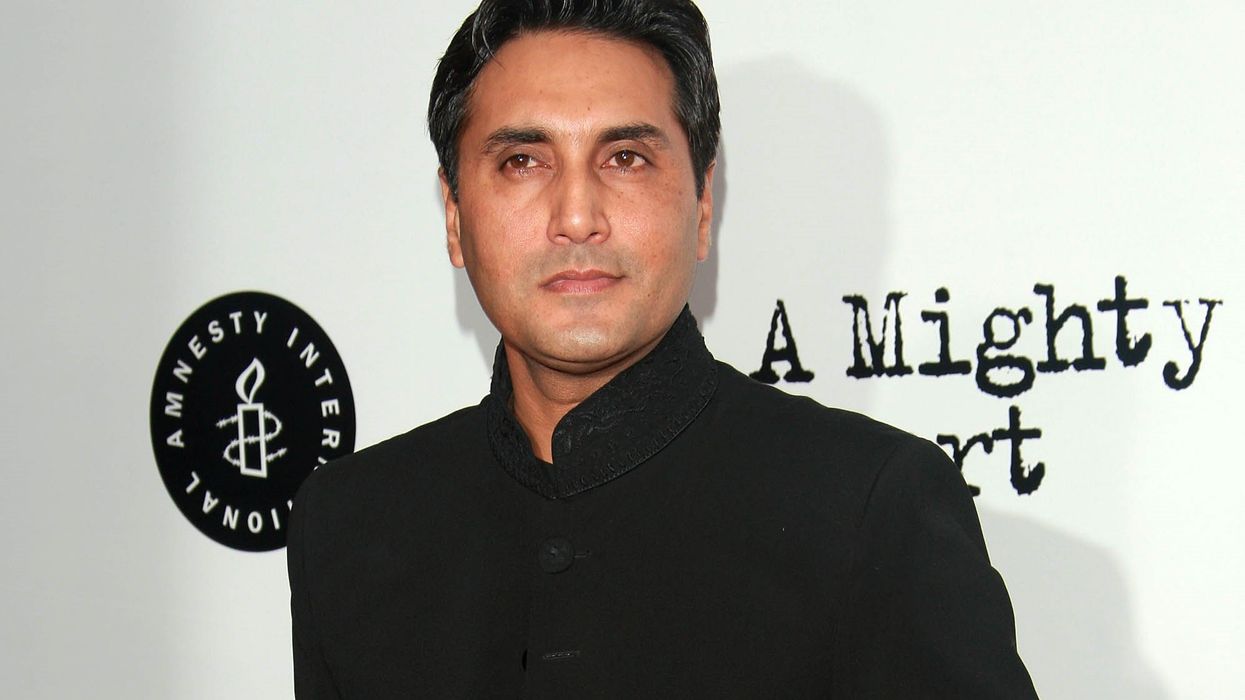
Acclaimed Pakistani actor Adnan Siddiqui has tested positive for the novel coronavirus. On Monday, the actor took to his Instagram handle to share the news.

Siddiqui wrote that he is experiencing mild infection after testing positive for the virus. He went on to add that he has self-isolated himself and urged everyone who came in contact with him in the last few days to get tested.


“Hello everyone! So, I have also been bitten by the bug! Not the love bug, by the Covid one!” Siddiqui wrote. “I tested positive today, thankfully with mild infection and immediately placed myself in isolation.”

“I urge all of you who came in contact with me in the last week, to get the tests done,” the actor concluded.

As soon as Siddiqui shared his diagnosis on Instagram, several prominent stars took to the comment section and wished him a speedy recovery. Saba Qamar commented, “Get well soon, Dost.” Ayeza Khan wrote, “Take care of yourself.” Hira Mani also said, “Take care Adnan, bhai.”

Apart from starring in a number of popular Pakistani shows, Adnan Siddiqui also has a Bollywood film to his credit. The actor played superstar Sridevi’s husband in her final film Mom, directed by Ravi Udyawar. The film featured Pakistani actress Sajal Ali as his daughter. Mom received great critical and commercial success upon its theatrical release and went on to win several awards later.

Keep visiting this space over and again for more updates and reveals from the glitzy world of entertainment.

More For You

Samir Zaidi

Two Sinners marks Samir Zaidi’s striking directorial debut

Samir Zaidi, director of 'Two Sinners', emerges as a powerful new voice in Indian film

Indian cinema has a long tradition of discovering new storytellers in unexpected places, and one recent voice that has attracted quiet, steady attention is Samir Zaidi. His debut short film Two Sinners has been travelling across international festivals, earning strong praise for its emotional depth and moral complexity. But what makes Zaidi’s trajectory especially compelling is how organically it has unfolded — grounded not in film school training, but in lived observation, patient apprenticeships and a deep belief in the poetry of everyday life.

Zaidi’s relationship with creativity began well before he ever stepped onto a set. “As a child, I was fascinated by small, fleeting things — the way people spoke, the silences between arguments, the patterns of light on the walls,” he reflects. He didn’t yet have the vocabulary for what he was absorbing, but the instinct was already in place. At 13, he turned to poetry, sensing that the act of shaping emotions into words offered a kind of clarity he couldn’t find elsewhere. “I realised creativity wasn’t something external I had to chase; it was a way of processing the world,” he says. “Whether it was writing or filmmaking, it came from the same impulse: to make sense of what I didn’t fully understand.”

Keep ReadingShow less