
- Government holds talks with major supermarkets over rising food prices.
- Growers warn of possible shortages of key vegetables.
- Energy and fertiliser costs push pressure across the food supply chain.
Concerns over rising food prices and potential shortages are building, as Chancellor Rachel Reeves prepares to meet the bosses of the UK’s biggest supermarkets on April 2. The talks, involving leaders from Sainsbury’s, Tesco and Morrisons, come as the government looks to assess how the Middle East conflict is feeding into the UK cost of living through higher energy, fuel and fertiliser costs.
The meeting is expected to focus on possible supply disruptions and the risk of price increases in everyday essentials. A Treasury source reportedly said the discussion would be “very much a fact-finding, open discussion”, aimed at understanding how pressure is building across supply chains and what that could mean for households in the coming months.
The timing reflects growing concern that the impact is no longer limited to global markets, but is beginning to filter into supermarket shelves. Retailers are said to be closely monitoring the situation, with early signs suggesting that both pricing and availability could come under strain if costs remain elevated.
From farms to shelves, pressure is spreading
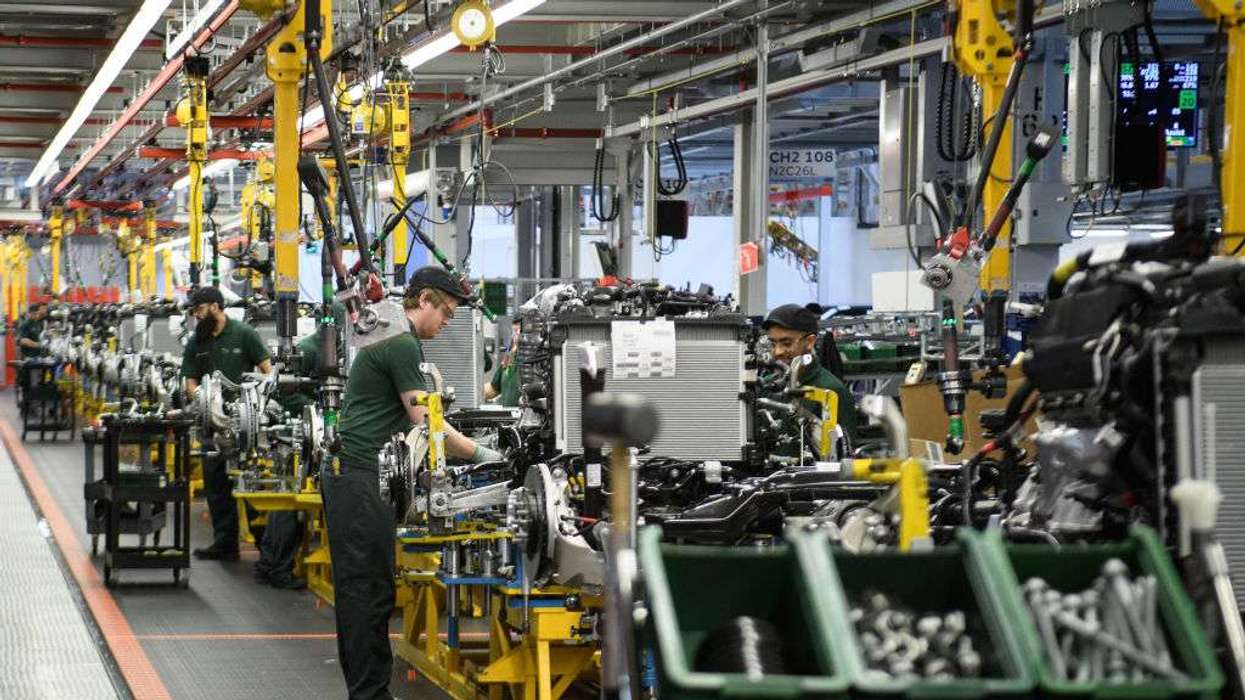
Warnings are now emerging from across the supply chain, particularly from UK growers who say the situation is becoming increasingly difficult to sustain. Producers of tomatoes, cucumbers, peppers and aubergines have indicated that some may be forced to stop production altogether due to rising costs, raising the possibility of gaps on supermarket shelves.
Lee Stiles, secretary of the Lea Valley Growers’ Association, reportedly said in a news report that growers are facing stark financial choices. “When you do the maths, they don’t add up,” he said, adding that some would lose less money by pulling crops out and shutting down operations rather than continuing production under current cost conditions.
He is calling on the government to classify glasshouse growers as “energy-intensive users”, alongside industries such as steel and chemicals, to help offset rising energy bills. Growing fresh produce in the UK often relies on controlled environments that require heating, lighting and carbon dioxide — all of which have become more expensive.
At the same time, growers are pushing for retailers to revisit contracts to reflect the surge in costs since the conflict began. An increase in standing charges from April 1, which adds a fixed daily cost to gas and electricity bills, is expected to add further pressure.
Retailers cautious, but warning signs clear
Supermarket leaders appear to be taking a measured approach, while acknowledging the risks. Sainsbury’s chief executive Simon Roberts reportedly said the company is “watching and monitoring events closely” and believes it has plans in place to manage near-term challenges.
However, others have struck a more urgent tone. Asda’s executive chair Allan Leighton, who is not expected to attend the meeting, has reportedly called on the government to act more decisively to support farmers and address rising fuel costs, warning that higher food prices are likely.
Industry groups are also signalling that the pressure is unlikely to remain contained. The British Poultry Council reportedly said rising costs are creating “sustained upward pressure” on production, adding that while some increases may be absorbed, others will “inevitably” be passed on to consumers.
Taken together, the signals from government, retailers and producers point to a supply chain under strain. While there is no immediate indication of widespread shortages, the risk of higher prices and reduced availability appears to be growing — and could become more visible in the weeks ahead if cost pressures persist.