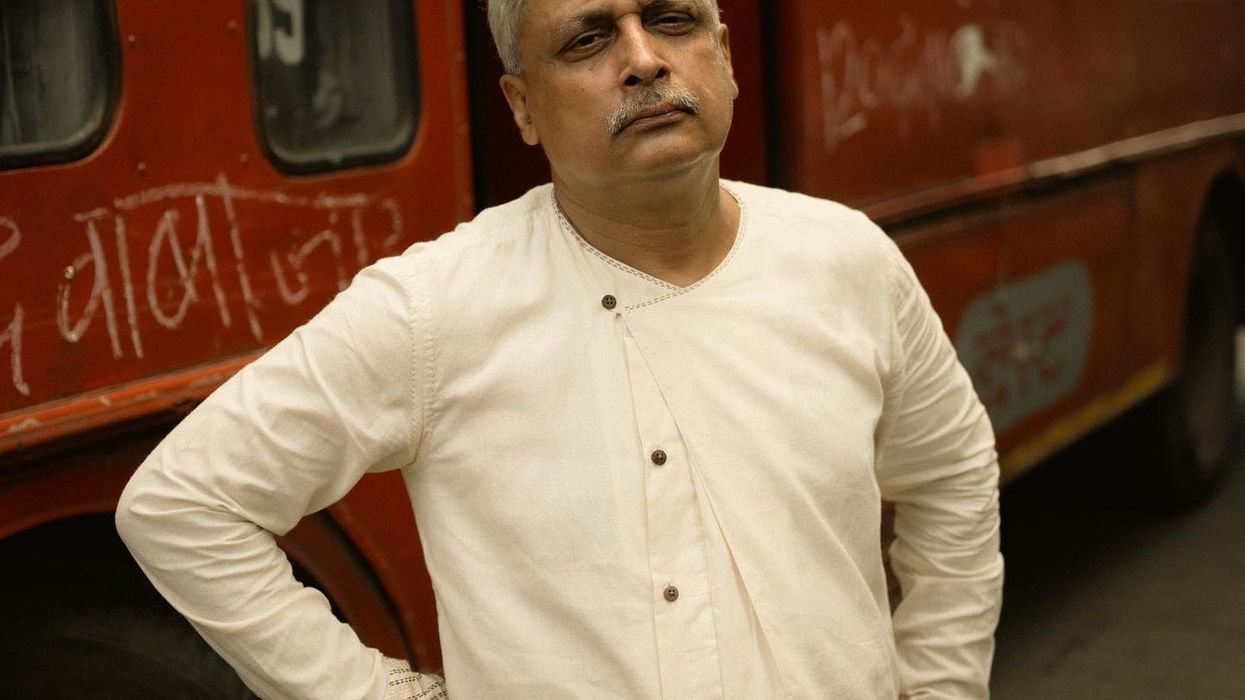

Actor-Singer Piyush Mishra did not mince his words when speaking about why Bollywood is earning lower than South Indian films nowadays. In a conversation with ANI, the Gangs of Wasseypur actor said, “Directors of South Indian film industries are more intelligent, have more IQ and are more innovative compared to us (Bollywood directors). It is our foolishness that we are working on the same formula forever”.
“Films from South India like Pushpa are typical of their genre with lots of action, violence and flashy sequences but it is presented to the audience in a new way. I also worked in a South Indian film named Indian 2 with Shankar recently. In my first experience working with him, I realised how innovative he was. He presents the same concept in a variety of ways and represents the culture better,” the Tamasha actor added.
The Gulal actor also noted that South Indian languages like Tamil and Malayalam are ‘very old languages’ and parts of ‘very old cultures’, which is why the filmmakers there ‘research very well’ on the ‘detailing of their films’.
On being asked whether films which can affect people’s lives deeply are still being made, the 59-year-old actor told ANI, “No such films are being made in North India”.
However, Mishra did mention director Rajkumar Hirani and his film 3 Idiots’ as one of the exceptions.
He also had a strong opinion against ‘Parallel cinema’. “Commercial films mean ‘art made for commerce’. Hence, ‘parallel films’ don’t exist. Unless your films are entertaining a large mass of people, they cannot be called ‘cinema’ and South Indian filmmakers know this,” The Shaukeens actor told ANI.
The Bhindi Bazaar actor also expressed his viewpoints about the recently emerging ‘Boycott culture’ in India against films, calling it ‘both right and wrong to an extent’.
Mishra, who is also a singer, is set to perform in Raipur as part of his Aarambh Hai Prachand concert series with a big band.
He is also writing a book titled Tumhaari Aukaat Kya Hai Piyush Mishra (What’s your status Piyush Mishra?) which is an autobiographical novel set to come out on January 13, 2023.