
Highlights:
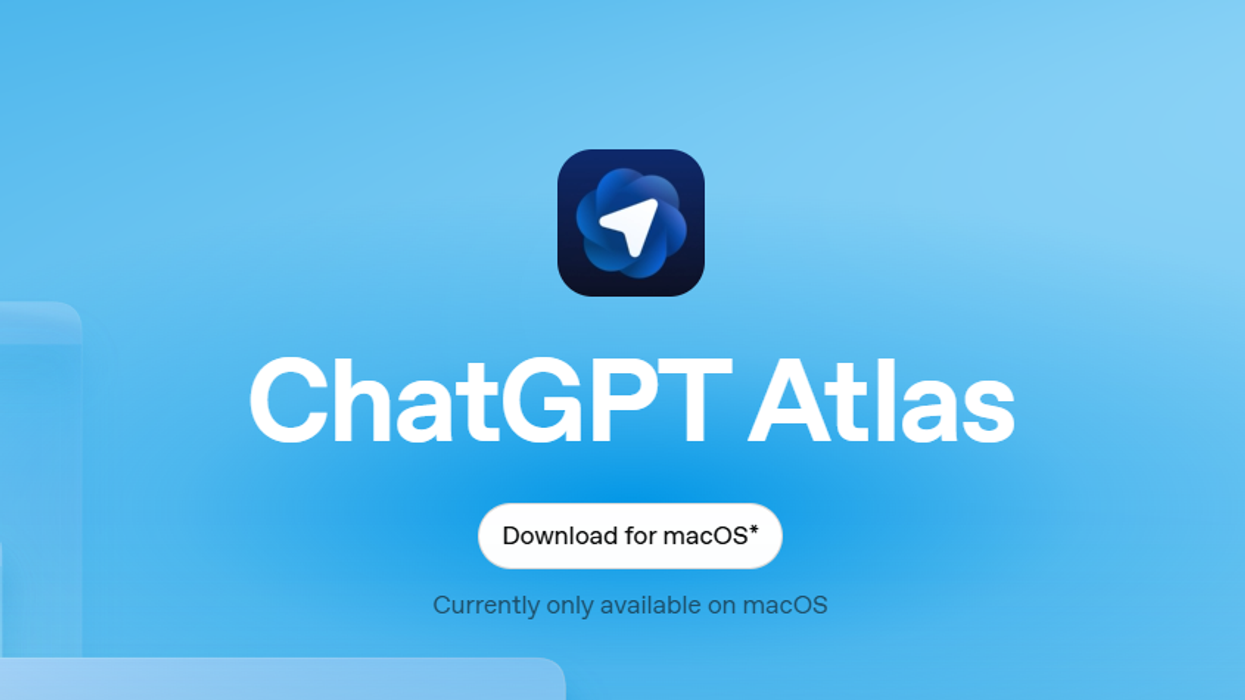
- OpenAI unveils ChatGPT Atlas, its first web browser for Mac users
- Browser removes the traditional address bar and integrates chatbot features
- Aims to attract paying users through automated search mode
OpenAI moves into the browser market
OpenAI, the company behind ChatGPT, has entered the web browser market with the launch of ChatGPT Atlas, a tool designed to rival Google Chrome and Microsoft Edge. The browser, available initially on Apple’s macOS, replaces the standard address bar with a conversational interface centred around ChatGPT.
Company chief executive Sam Altman said the product was “built around ChatGPT,” marking a shift towards integrating the chatbot’s capabilities directly into everyday browsing.
Paid ‘agent mode’ for subscribers
Atlas includes a paid “agent mode” for ChatGPT subscribers, allowing the system to perform searches independently. OpenAI said this feature enables the browser to “work with your browsing context,” making the experience faster and more tailored.
The move reflects OpenAI’s broader effort to develop new revenue streams and strengthen its ecosystem of online tools, following partnerships with e-commerce and booking platforms such as Etsy, Shopify, Expedia and Booking.com.
Expanding user base amid growing competition
At the company’s developer event earlier this month, Altman revealed that ChatGPT had reached 800 million weekly active users, doubling from February figures reported by analytics firm Demandsage.
Industry analyst Pat Moorhead, chief executive of Moor Insights & Strategy, said early adopters would likely experiment with Atlas, but he questioned whether it could make significant inroads against established browsers. “Mainstream and corporate users may wait for their preferred browsers to integrate similar functions,” he noted, adding that Microsoft Edge already offers comparable tools.
Browser launch follows Google monopoly ruling
OpenAI’s latest move comes as Google faces increasing scrutiny over its dominance in online search. The US Justice Department recently ruled Google an illegal monopolist, though it stopped short of ordering the company to separate its Chrome browser.
Meanwhile, research from Datos shows that an increasing number of internet users are turning to chat-based search tools. As of July, around 6% of desktop searches were made through language model interfaces, more than double the figure from the previous year.
Google continues to embed automated responses within its own search results, reflecting a wider shift in how users seek and receive information online.