
Highlights
- Nora Fatehi denies involvement in controversial Hindi version
- Says no approval was taken for dubbed lyrics or promotional material
- Reveals she raised concerns before release and chose not to promote the track
- Credits public backlash for the song being taken down
‘I had no idea about the Hindi version’
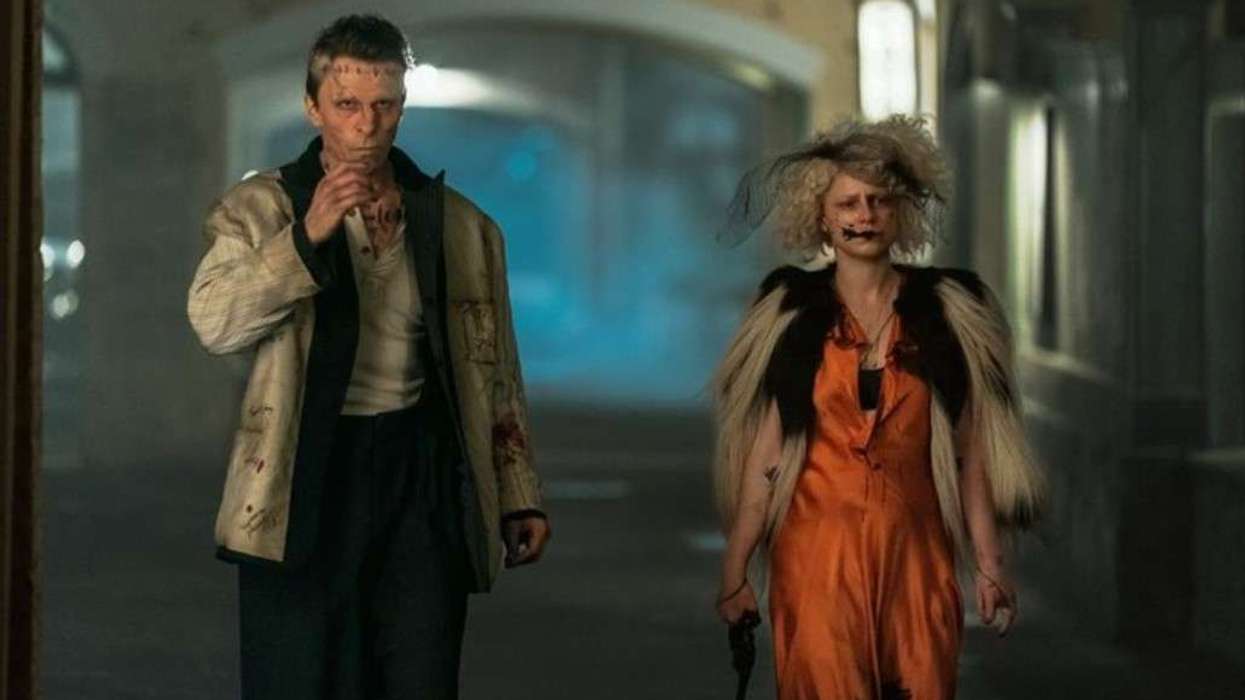
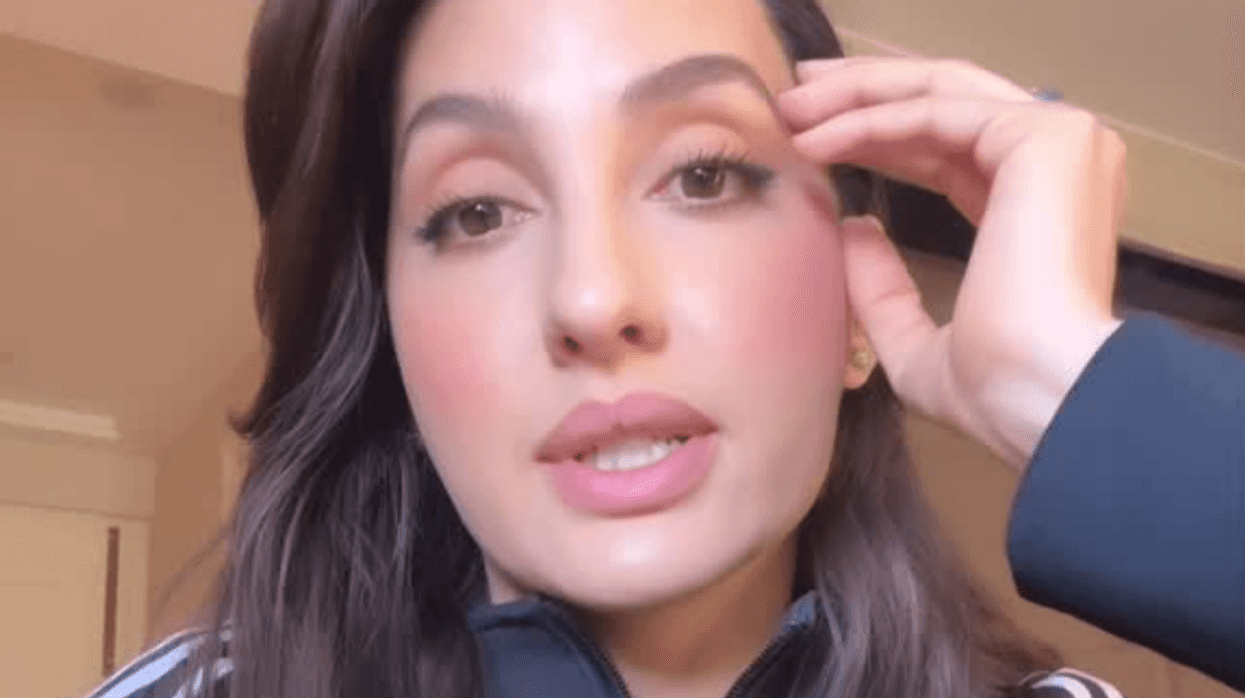
Nora Fatehi has addressed the controversy surrounding Sarke Chunar Teri clarifying that she had no role in the Hindi version that drew criticism and was later banned.
In an Instagram video, she explained that the song was originally filmed three years ago in Kannada as part of a different project. At the time, she believed it to be a remake of Nayak Nahi Khalnayak Hu Main and agreed to it partly because it featured Sanjay Dutt.
Fatehi said she relied on the filmmakers for translations during the shoot, adding that nothing inappropriate was conveyed to her then. She maintained that the Hindi version, which later triggered backlash, was created without her knowledge or consent.
Concerns raised before release
The actor said she first became uneasy when she attended a launch event and saw a lyrical version of the Kannada track that used images she had not approved. She also objected to the use of an AI-generated image featuring her and Sanjay Dutt.
According to her, the situation escalated when the Hindi version was played at the event. Understanding the language, she immediately felt the lyrics would lead to controversy and warned the director.
Fatehi said she chose to distance herself from the project at that stage and did not promote the song, citing concerns about her public image.
‘Hold filmmakers accountable’
Reflecting on the episode, Fatehi spoke about the limited control artists sometimes have, particularly without institutional backing. While she noted positive experiences in the Hindi film industry, she said there are instances where performers’ opinions are overlooked.
She credited the public reaction for prompting the removal of the song, thanking audiences for speaking out. At the same time, she urged media outlets to shift focus towards filmmakers and content creators when controversies arise, arguing that responsibility should not rest solely on performers.
The episode has sparked wider discussion around creative consent, approvals and accountability in film and music production, with Fatehi indicating she will take a stricter approach to such projects in future.