
Skip to content
Search

Latest Stories

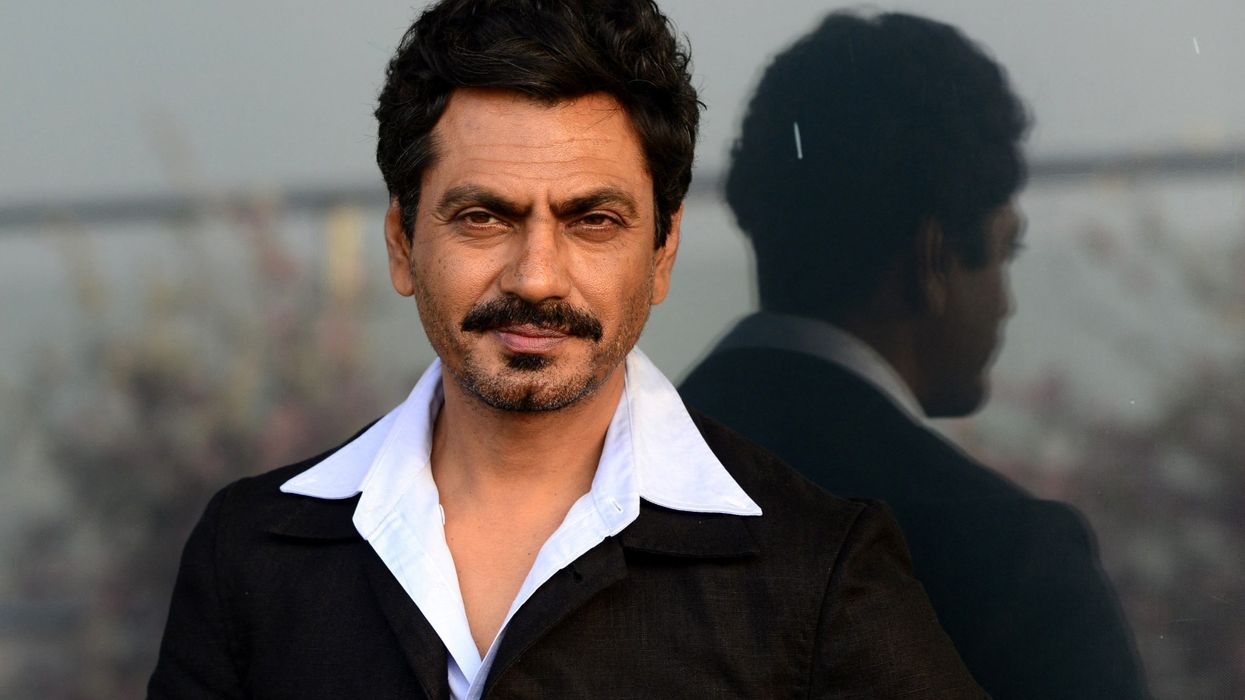
Nawazuddin Siddiqui reveals his real sense of achievement in life

On the work front, Nawaz has an interesting line-up of films which includes HaddiTiku Weds Sheru, Noorani Chehra, and Adbhut.

Nawazuddin Siddiqui reveals his real sense of achievement in life

Nawazuddin Siddiqui has made his distinct place in the entertainment industry that too purely on the basis of his hard work and versatile acting prowess. The actor has everything today, a huge fanbase, a lavish bungalow in the city of dreams, and all the fame on his feet that speaks volumes of the exceptional achievement he has earned in his life. But that's not all that charms the actor instead it's his craft that brings him a sense of achievement in his life.

Recently when Nawazuddin went on an interview, he was asked a question if he feels a sense of achievement. Answering he said, “Yes I have a bungalow in Mumbai', to which the actor replied, "No, building my own house is not a sense of achievement for me. When I am doing a scene that gets executed as per my thought, then I feel yes, I have achieved something a little. I sleep happily at night thinking about that. These vehicles and bungalows aren't an achievement."


On the work front, Nawaz has an interesting line-up of films which includes HaddiTiku Weds Sheru, Noorani Chehra, and Adbhut.
More For You

Samir Zaidi

Two Sinners marks Samir Zaidi’s striking directorial debut

Samir Zaidi, director of 'Two Sinners', emerges as a powerful new voice in Indian film

Indian cinema has a long tradition of discovering new storytellers in unexpected places, and one recent voice that has attracted quiet, steady attention is Samir Zaidi. His debut short film Two Sinners has been travelling across international festivals, earning strong praise for its emotional depth and moral complexity. But what makes Zaidi’s trajectory especially compelling is how organically it has unfolded — grounded not in film school training, but in lived observation, patient apprenticeships and a deep belief in the poetry of everyday life.

Zaidi’s relationship with creativity began well before he ever stepped onto a set. “As a child, I was fascinated by small, fleeting things — the way people spoke, the silences between arguments, the patterns of light on the walls,” he reflects. He didn’t yet have the vocabulary for what he was absorbing, but the instinct was already in place. At 13, he turned to poetry, sensing that the act of shaping emotions into words offered a kind of clarity he couldn’t find elsewhere. “I realised creativity wasn’t something external I had to chase; it was a way of processing the world,” he says. “Whether it was writing or filmmaking, it came from the same impulse: to make sense of what I didn’t fully understand.”

Keep ReadingShow less