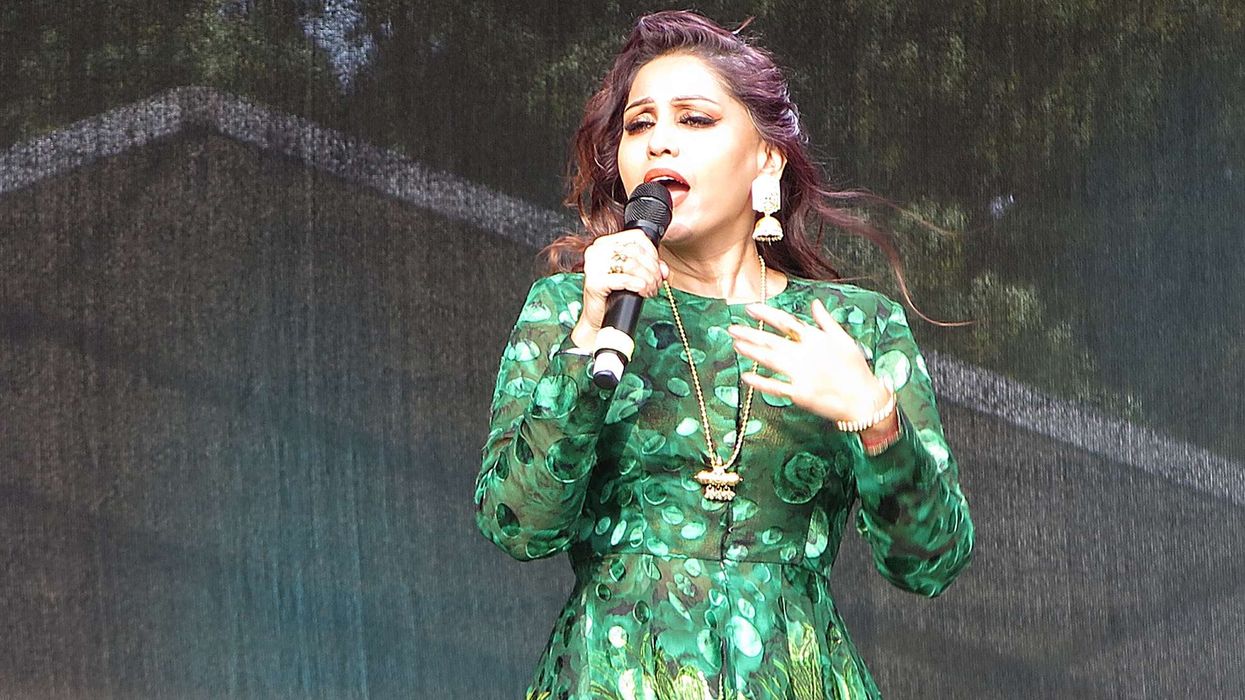

Few artists embody both heritage and evolution quite like Mona Singh. Born into the musical dynasty of Channi Singh OBE — the visionary behind the iconic bhangra band Alaap — Mona grew up surrounded by melody, rhythm and the energy of live performance. Onstage from the age of six and later crowned the ‘princess of British bhangra’, she has carved out a remarkable career marked by hit albums, international tours, chart-topping collaborations, and genre-defining artistry. She also broke ground for females in the British Punjabi music industry.
In this candid conversation, Mona looks back at the milestones that shaped her — from singing on Top of the Pops and performing at 10 Downing Street, to creating globally loved Punjabi anthems. She also shares the lessons learned from her legendary father, the pressures of today’s content-driven music landscape, and what fans can expect next as she embarks on a new creative chapter.
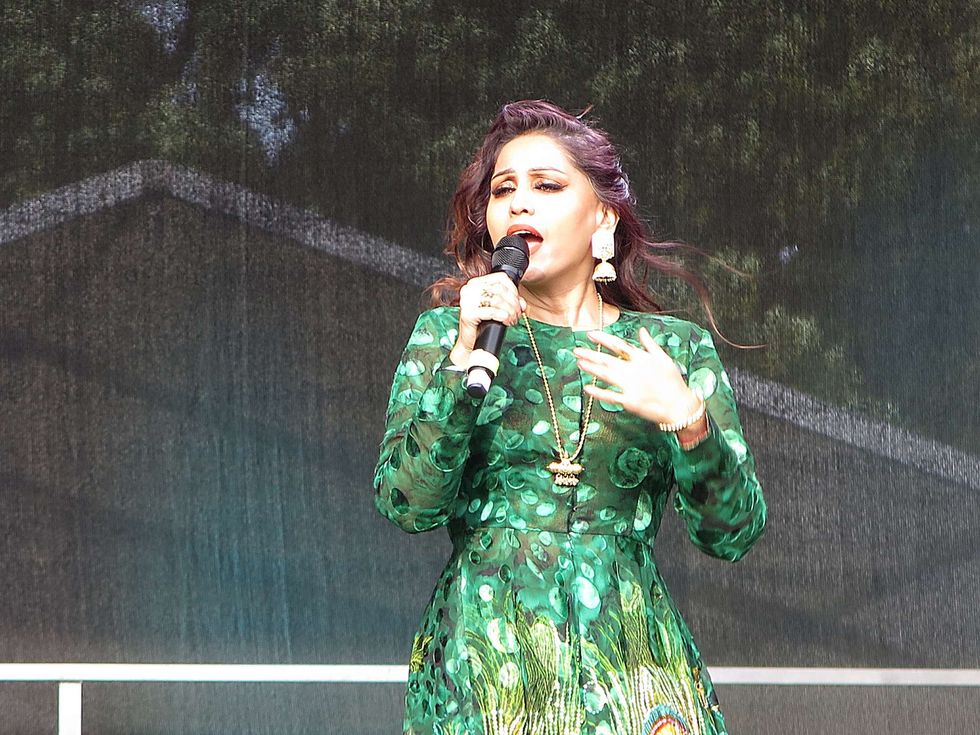 Mona Singh charts her journey from bhangra royalty to global stages www.easterneye.biz
How do you reflect on your journey in music?
I feel a deep sense of happiness and pride in the music I’ve created. Making each of my songs has been such an enjoyable process, and the journey itself has been truly rewarding. I’m grateful for every stage — learning, creating, performing, and connecting with fans. Growing up around music made it feel natural, but above all, it’s been a path of self-discovery, understanding more about myself through every song, recording, and performance.
What has been your most memorable moment?
From performing on stage to recording in the studio and filming music videos, each has its own memorable highlights. I started performing with Alaap at the age of six, playing iconic venues like the Empire Ballroom and Hammersmith Palais, where I was the only under-18 with my own personal security! It was an experience that stays with me to this day.
Tell us more about other highlights from your journey…
I’ve also had the honour of featuring as a vocalist on a track produced by Basement Jaxx, performing on BBC’s Top of the Pops, and singing at 10 Downing Street — unforgettable moments. Recording my songs, filming the music videos in beautiful locations, and performing on international stages with amazing connections to audiences everywhere has given me memories I’ll always treasure. Looking back, it’s the journey as a whole that has made it so meaningful.
Which of your many hits is closest to your heart?
Every song I’ve recorded has its own story, but a few are especially close to my heart. Garara was the first song I recorded for my debut album. I still remember the mix of excitement and nerves in the studio. Kankaan De Ohle was the title track of my second album, but interestingly, it was the last song we recorded for that album, which makes it extra special. Rab Di Kasam is incredibly personal, as it was the first song I co-wrote, and filming the video in the deserts of Rajasthan was magical. I’ve also had the pleasure of working on collaborations like Ki Dasaan with Rishi Rich, Saadi Marzi with Labh Janjua, and Koka Silver Da with Jatinder Shah—each a creatively wonderful experience.
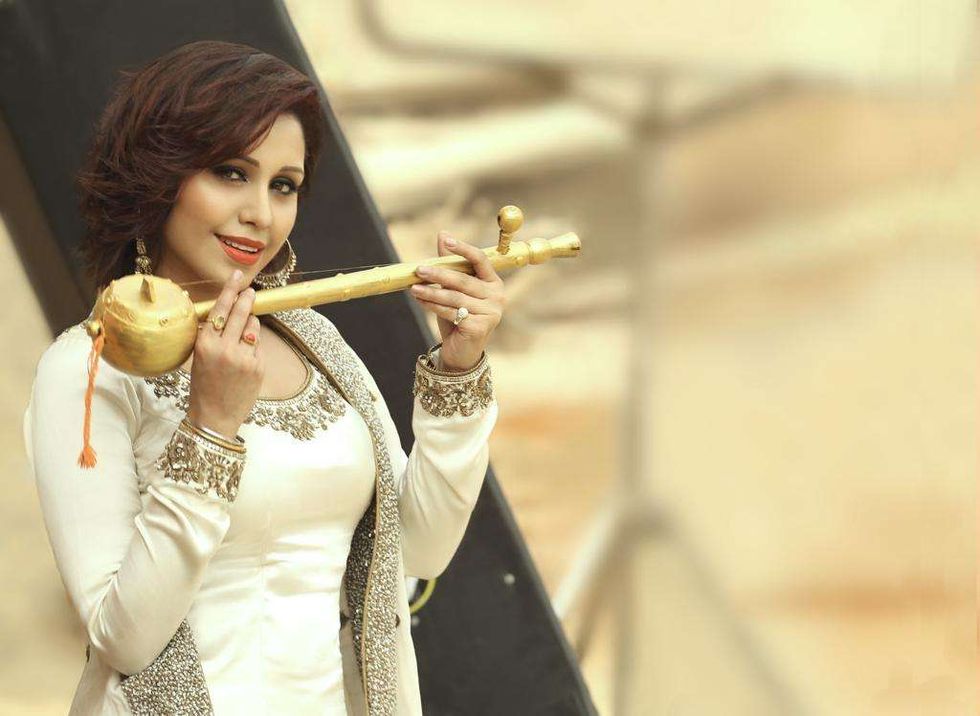 Mona Singh reflects on legacy, longevity and life in music
What is the biggest life lesson the music industry taught you?
The music industry can be unpredictable, and these days it often feels like it’s more about churning out content, chasing trends, likes, and numbers than creating music with depth or longevity. I’ve learned that talent is only part of the equation — resilience, patience, and staying focused on your own path are just as important. At the end of the day, what really matters is staying true to yourself and your sound.
What is the biggest thing you learned from your legendary father Channi Singh?
The biggest lessons I’ve learned from my father are dedication and humility. He taught me to stay sincere, grounded, and focused, to be true to my originality, and never let fame or success get to my head. He also showed me the importance of quality — in music, lyrics, compositions — and how much care and love should go into creating something that lasts. Working alongside my dad in co-composing and co-producing adds another dimension to each song, and those shared moments mean a lot to me.
What is the plan going forward and what can we expect next from you?
I’m currently working on new material for myself, while also continuing to co-compose and co-produce with my dad on his latest projects and some film releases. I’ve also recorded a track for an upcoming Bollywood film, which will be released soon. It’s an exciting balance, and I’m letting the music guide me — fans can look forward to new work when its ready.
How much does live performance mean to you and what has been your most memorable show?
I love everything about live performances — from rehearsing, preparing, and even improvising on stage. Each show has its own energy and creates its own memories. Some stand out moments include concerts in Karachi and Islamabad, where the crowd was so enthusiastic, they were chanting my name and even rushing onto the stage! Performing in Muscat with the legendary Labh Janjua, singing our duet Saadi Marzi for the first time, was another highlight.
You have performed live globally – which other shows have been memorable?
Shows in Dubai and Abu Dhabi on the same line-up as Mika Singh were amazing too — it’s always inspiring to share the stage with such talent. I’ve also loved performing for completely non-Indian audiences in places like Trinidad and Tobago and Sweden, where they were singing back my songs. That kind of connection, seeing music transcend language and culture, is truly special.
You broke a lot of ground for female singers in Punjabi music, are you disappointed that more people didn't follow in your footsteps?
I wouldn’t say I’m disappointed. I understand how challenging the industry can be, especially for women, and progress takes time. I hope my work has shown that it’s possible to succeed while staying true to your art. I like to think my work may have helped open doors or inspired others, even in small ways, and I’m hopeful to see more talented women step forward in the future.
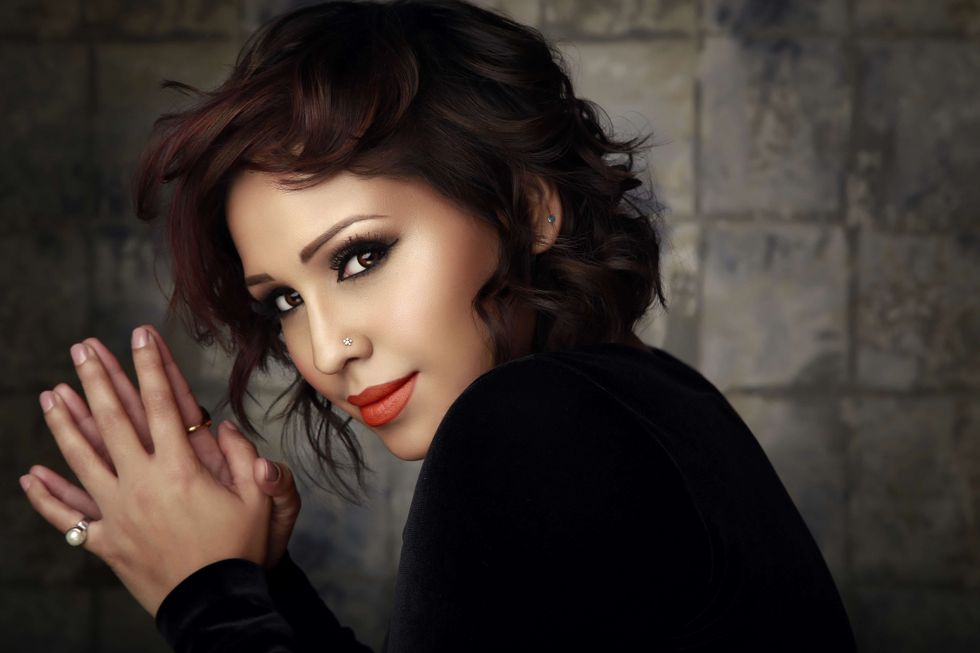 Mona Singh on carving her sound in a changing Punjabi music landscape
What key advice would you give to those starting off on the music journey?
Believe in yourself, work hard, and stay authentic. Don’t get distracted by trends or what’s popular — focus on what feels true to you and your voice. Music is a journey, and the more you invest in your own growth and passion, the more it will shine through in your work.
What music currently dominates your personal playlist?
My playlist is a mix of everything I love! Old-school bhangra, retro Bollywood hits. I’m a huge fan of those, along with some pop, r’n’b and soul. I love discovering new tracks too, and if something catches my ear - I Shazam it straight away and usually end up buying it. I’m also drawn to Arabic and Latin music — anything that makes you want to move, because I love to dance! And of course, I have a section of romantic songs that let you drift away with your thoughts and imagination.
What inspires you?
I’m inspired by compositions, melodies, and lyrics that genuinely touch the heart. Growing up with my dad’s music had a huge influence on me, and my early inspirations included legends like Lata Mangeshkar, Asha Bhosle, Noor Jehan, Mohammed Rafi, Michael Jackson, Sonu Nigam, and Ustad Nusrat Fateh Ali Khan. For me, it’s all about musicality, versatility, and creating melodies that feel timeless.
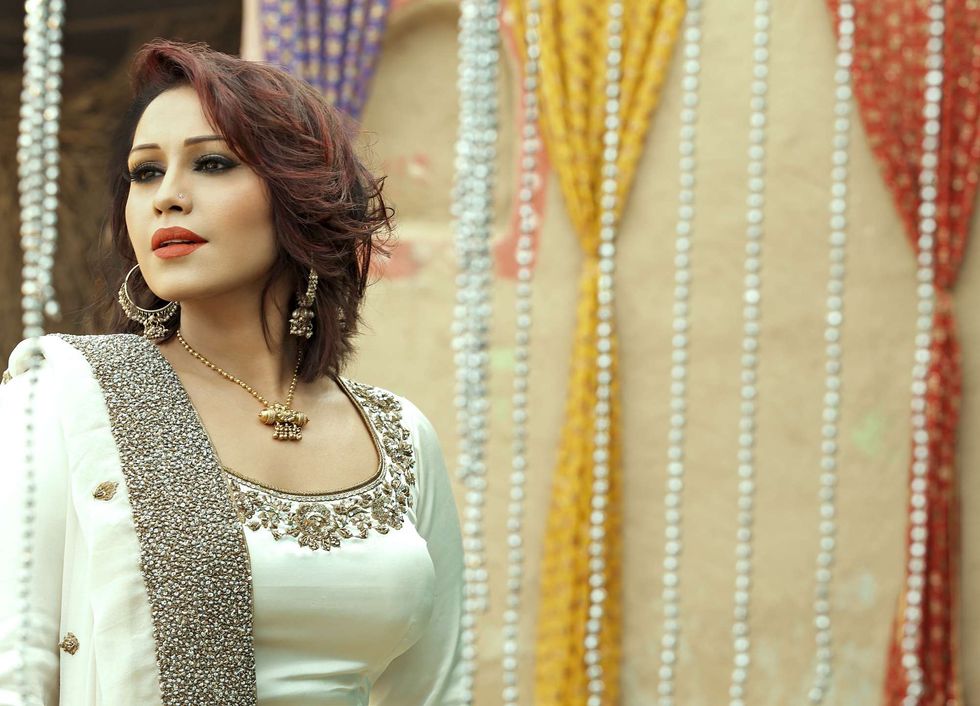 Mona Singh revisits the milestones that shaped her musical career
What does music mean to you today?
Music has always been a part of my life — it’s how I connect with myself and my creativity, whether through performing, composing, producing, or simply listening. Even when I’m not on stage, I’m humming or working on new ideas. It’s my way of reflecting, and a language that connects me to others. Music has a timeless magic — it brings people together, sparks emotions, and reminds me why I fell in love with it in the first place.
Instagram: @monasinghmusic