
TWO tankers caught fire in Iraqi waters on Thursday after what appeared to be Iranian strikes, as attacks on oil and transport facilities across the Middle East pushed oil prices higher and raised fears about energy supplies.
Iran warned that oil prices could reach $200 per barrel. A spokesperson for Iran's military command said in remarks directed at the United States on Wednesday: "Get ready for oil to be $200 a barrel, because the oil price depends on regional security, which you have destabilised."
The conflict began almost two weeks ago with joint US and Israeli air strikes on Iran. Around 2,000 people have been killed so far and global energy markets and transport have been disrupted. The United Nations Children's Fund (UNICEF) said more than 1,100 children had been killed or injured.
ALSO READ: Iran fires missiles across region as G7 weighs oil reserve release
Oil prices rose above $100 per barrel on Thursday as Iran's latest attacks offset a record release of crude reserves announced by the International Energy Agency (IEA). Brent rose to $101.59 per barrel and WTI rose to just under $96.
The IEA said on Wednesday that its members agreed to release 400 million barrels of oil from strategic reserves, the largest release ever. US Energy Secretary Chris Wright said President Donald Trump had authorised the release of 172 million barrels from the US Strategic Petroleum Reserve starting next week.
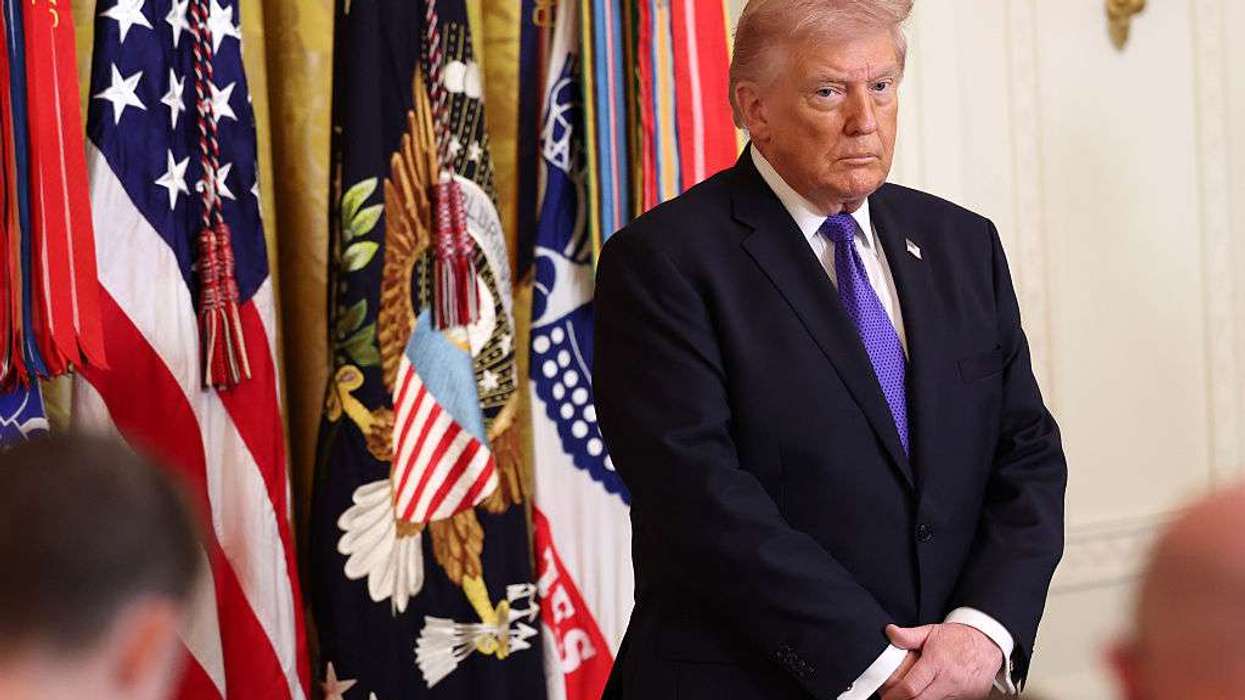
Trump said the IEA decision "will substantially reduce oil prices as we end this threat to America and the world."
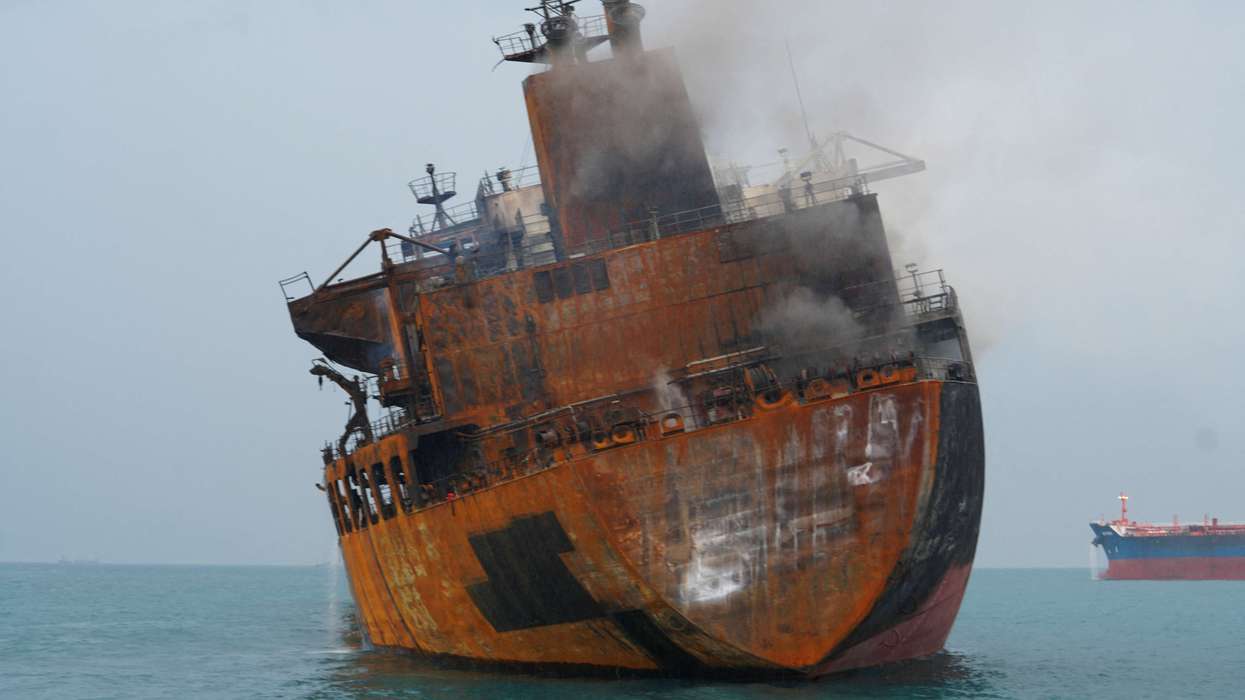
Iranian explosive-laden boats appeared to attack two fuel tankers in Iraqi waters, setting them ablaze and killing one crew member. Projectiles also struck three merchant vessels in Gulf waters, according to port officials and maritime security firms.
Iran also targeted fuel tanks at a facility in Bahrain's Muharraq, while drones struck oil storage facilities at Salalah port in Oman. Saudi Arabia said it intercepted several drones heading toward its Shaybah oilfield.
ALSO READ: UK warplanes intercept drones as Iran warns oil exports will stop
A container ship near the United Arab Emirates was also struck by an unknown projectile, according to a UK maritime alert.
The Strait of Hormuz, which carries about a fifth of global crude supplies, remains blocked. An Iranian military spokesperson said the Strait was "undoubtedly" under Iran's control.
The Group of Seven countries — the United States, Canada, Japan, Italy, Britain, Germany and France — said they would examine providing escort for ships in the Gulf.
Trump said US forces had destroyed 58 Iranian naval ships and that Iran was "pretty much at the end of the line."
ALSO READ: Mojtaba Khamenei takes over as Iran’s supreme leader
He told supporters at a rally in Kentucky: "We don't want to leave early do we? We got to finish the job."
Trump also said the United States had already won the conflict. "We've won... we won -- in the first hour it was over."
Iran signalled it was preparing for a long confrontation. Ali Fadavi, adviser to the Revolutionary Guards commander-in-chief, said the United States and Israel "must consider the possibility that they will be engaged in a long-term war of attrition that will destroy the entire American economy and the world economy."
Iran's Tasnim news agency also published a list of possible targets, including offices of Amazon, Google, Microsoft and Nvidia in Gulf countries and Israel.
Iranian weapons also struck other locations in the Gulf. Kuwait said a drone hit a building in the south, injuring two people, and Dubai authorities responded to a drone that fell on a building near Dubai Creek Harbour.
ALSO READ: Starmer and Trump speak after tensions over Iran war
US and Israeli officials say their aim is to stop Iran's ability to project force beyond its borders and dismantle its nuclear programme.
US intelligence assessments say Iran's leadership remains largely intact and is not at risk of collapse soon, according to sources familiar with the matter.
The US State Department warned that Iran and aligned militias could target US-owned oil and energy infrastructure in Iraq. It also said militias had previously targeted hotels used by Americans.
The US military warned Iranians to stay away from ports with Iranian navy facilities. Iran's military responded that if those ports were threatened, economic and trade centres in the region would be "legitimate targets".
Rising oil prices have also shaken financial markets. Stocks fell across Asia and Europe, while airlines and governments warned of the impact of higher fuel costs.
Air New Zealand said it would cut 1,100 flights over the next two months. Cathay Pacific announced new fuel surcharges on most routes.
Analysts warned that a prolonged disruption to shipping through the Strait of Hormuz could cause a major economic shock, particularly in Asia and Europe.
(With inputs from agencies)