
- House prices fall 0.5 per cent in March, missing expectations
- Mortgage rates climb to highest level since July 2024
- Regional divide widens as London and the south lag behind
The UK housing market showed signs of losing steam in March, with UK house prices slipping as buyers pulled back amid rising mortgage rates and global uncertainty linked to the Iran conflict. Fresh data from Halifax suggests the early-year momentum has begun to fade just as the spring selling season gets underway.
Property prices dropped by 0.5 per cent month-on-month, bringing the average UK home value down to £299,677. That takes it back below the £300,000 mark it had crossed in January. On an annual basis, growth slowed to 0.8 per cent, down from 1.2 per cent earlier, pointing to a broader cooling trend.
The decline also caught analysts off guard. Economists had expected a modest rise of 0.1 per cent, making the latest figures a notable miss. It also contrasts with data from rival lender Nationwide, which reported a stronger price increase over the same period.
When global shocks hit the front door
The slowdown appears tied less to housing fundamentals and more to wider economic unease. Halifax linked the shift in sentiment to the ongoing Middle East tensions, which have pushed up energy prices and, in turn, inflation expectations.
That ripple effect is now feeding directly into borrowing costs. Mortgage rates have climbed steadily, with the average two-year fixed rate reaching 5.84 per cent by the end of March — the highest since July 2024. At the same time, lenders have pulled hundreds of mortgage deals from the market, narrowing choices for buyers.
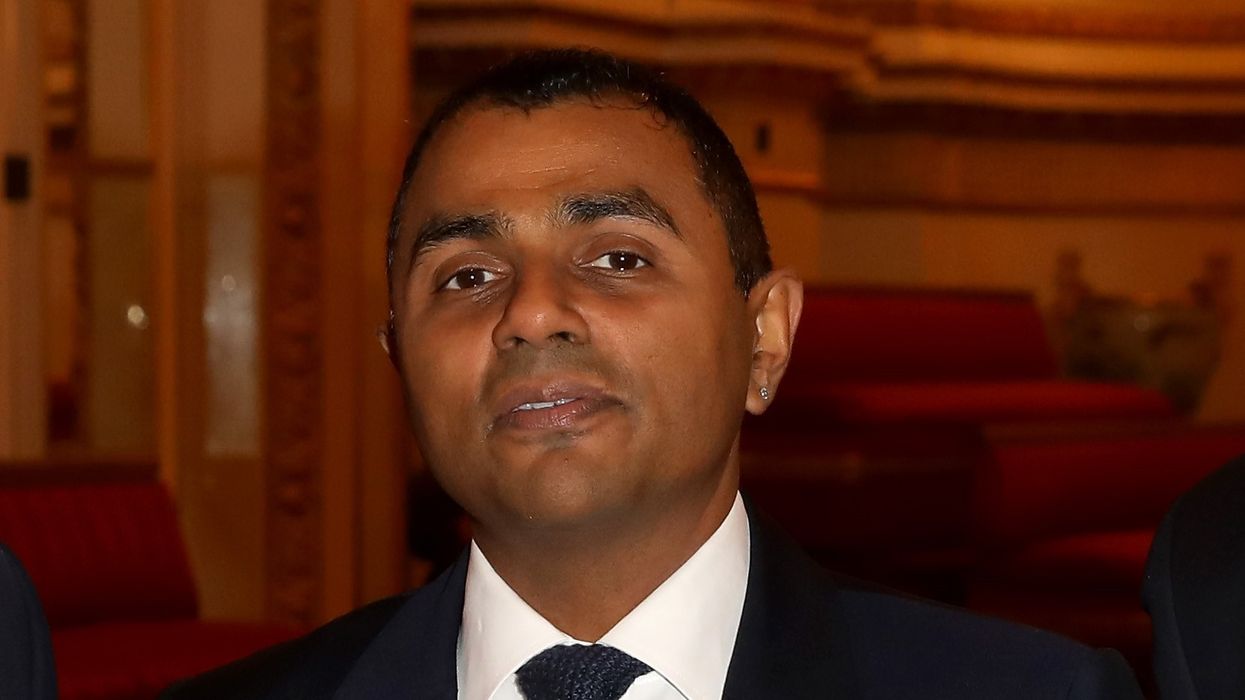
Amanda Bryden, head of mortgages at Halifax, said the market is reacting to a mix of pressures. The recent slowdown reflects “wide uncertainty regarding the conflict in the Middle East,” she said, adding that higher energy costs have raised inflation expectations and dampened confidence around future rate cuts.
There had been growing expectations that the Bank of England could raise interest rates multiple times this year. However, those bets softened slightly after the US and Iran signalled a temporary ceasefire, easing fears of further energy price spikes. Even so, the outlook for borrowing costs remains unclear.
A market split down the middle
For buyers, especially those entering the market for the first time, mortgage rates are becoming the key pressure point. Higher borrowing costs are adding to the already difficult task of saving for a deposit, making many pause before committing.
Bryden noted that how house prices move from here will depend on how long these pressures last and what they mean for the wider economy and jobs market, reportedly said in a news report. For now, many buyers are expected to wait and watch, rather than rush into deals.
There is also a clear regional divide emerging. Northern Ireland continues to lead annual price growth, with values up 8.7 per cent to £224,809. Scotland follows with a 4.4 per cent rise, pushing average prices to £222,716. In Wales, growth is more modest at 1.6 per cent, with homes averaging £230,909.
In contrast, the south of England is showing signs of strain. Prices in the south-east have fallen by 1.9 per cent year-on-year, while London has seen a 1.2 per cent decline.
For now, the housing market appears caught between global uncertainty and domestic affordability pressures. Whether this turns into a deeper slowdown or just a short pause may depend on how quickly stability returns — both in energy markets and in interest rate expectations.