
RAMADAN dressing has evolved in recent years as it asks something unique of a wardrobe. The daytime hours of fasting call for pieces that evoke a feeling of being calm, with breathable fabrics, while the breaking of the fast at iftar could be in something altogether more celebratory.
For Muslim women, navigating both within a single wardrobe has been second nature, while the fashion industry is catching up.
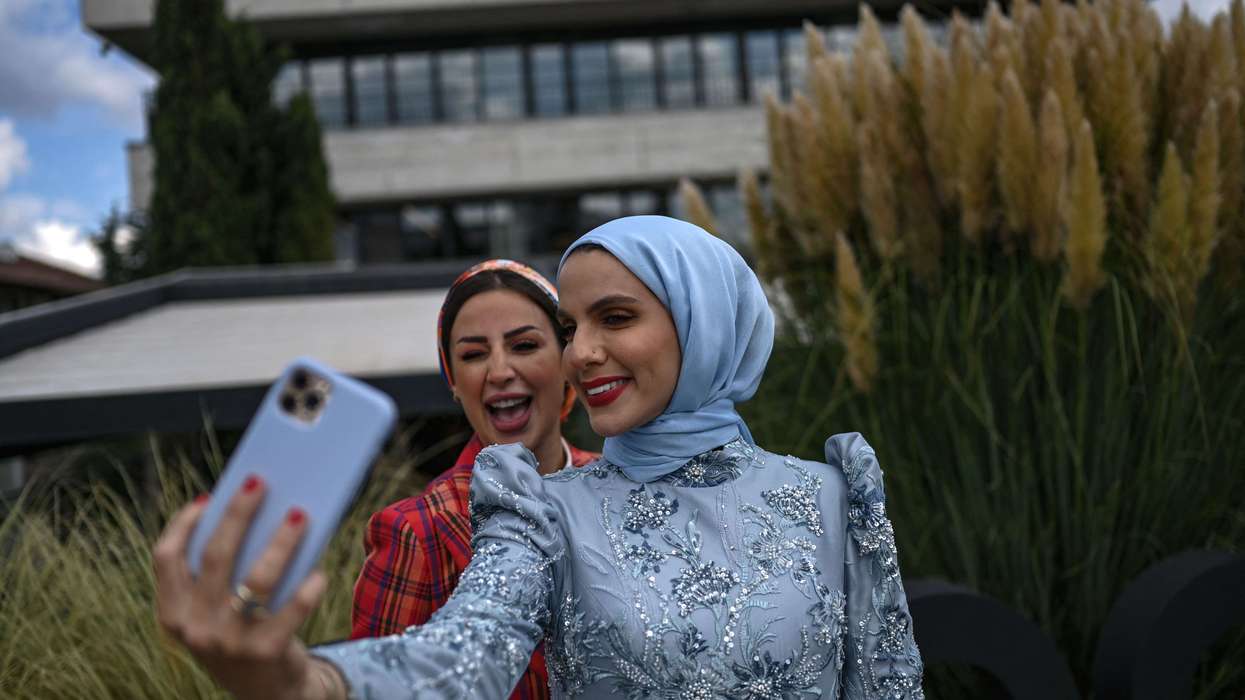
The Ramadan look is one of quiet authority. High necklines in soft cowl and mock-neck cuts frame the face. Floor-length hemlines in chiffon, fluid jersey and crepe move with the wearer rather than constraining her.
The colour palette is sober and considered, with deep navy, slate grey, warm mocha and terracotta as preferred shades. The message is restraint as a form of confidence, and Muslim women have been making that statement long before the wider fashion world took notice.
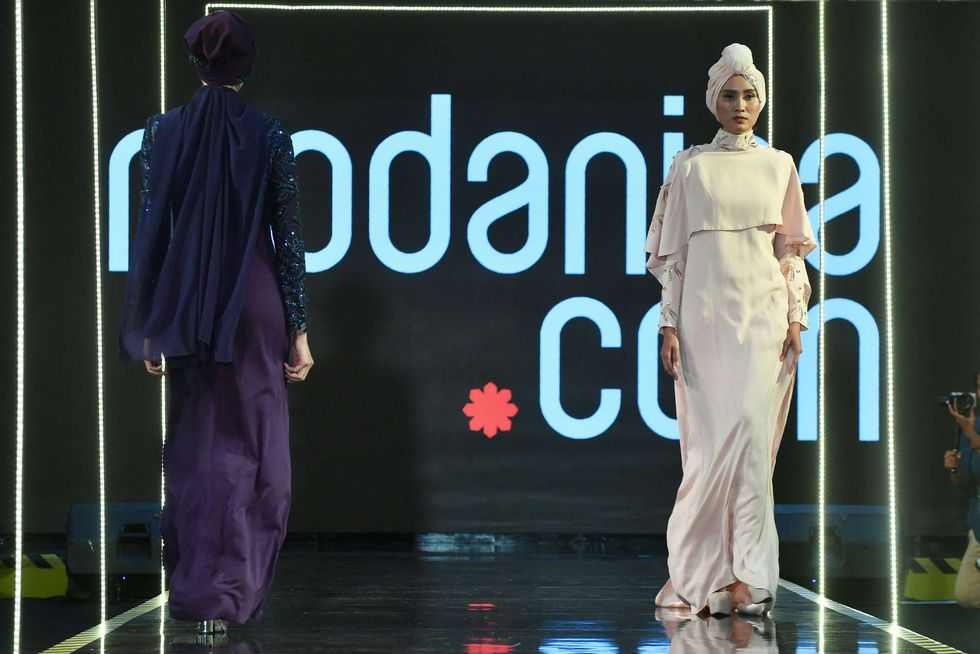 The high neckline, maxi hem, and sober palette are deliberate choices, not compromises.Getty Images
Fabric sits at the heart of those decisions. Linen blends and breathable natural fibres carry wearers comfortably through long fasting hours, while soft-sheen satins and delicate metallic threads step in as the evening begins. The goal is a single wardrobe that moves from the quiet hours before sunset to the warmth of a gathering table without requiring a complete reinvention.
In London, the most powerful expression of this came at the recently concluded London Fashion Week.
British Yemeni designer Kazna Asker, who grew up in Sheffield, stopped her entire presentation at sunset to share iftar with her models, staff and guests.
The British Fashion Council confirmed it as the first time in its history that fast-breaking had been formally incorporated into a London Fashion Week show, according to one media report.
Her presentation, titled Hour of the Sunset, blended tailored pieces with futuristic silhouettes and cultural Yemeni dress. Gold coin headpieces and henna-inspired body art traced sun motifs across skin. One female model wore a jambiya, the Yemeni dagger belt historically worn by men, integrated into a structured power suit.
“We decided to put the jambiya on a woman, to showcase the power of Muslim women,” Asker told the Guardian. It was a moment that placed British Muslim identity firmly at the centre of one of fashion’s most watched stages.
Also in London, luxury store Harrods has curated a Ramadan edit for 2026 bringing together an exclusive six-piece Missoni capsule in luminous metallic stripes translated into flowing silhouettes, voluminous kaftan designs from Taller Marmo in smoky blue, dusty rose and rich purple, and sequined occasion pieces from British designer Jenny Packham, known for her gemstone-detailed creations.
Globally, the conversation has reached every corner of the fashion industry.
Max Fashion, the value fashion brand under the Landmark Group, launched its Ramadan collection around coordinated linen-blend silhouettes in warm neutrals, soft whites and gentle metallic highlights.
Haroon Rasheed, senior head of marketing at Landmark Group, said, “Ramadan is a season rooted in togetherness, reflection and shared moments, and our role is to ensure families feel prepared to celebrate it with confidence and ease.”
Prada’s Ramadan and Eid-al-Fitr 2026 collection brings lean silhouettes and fluid, elegant lines to the luxury end of the season.
Lustrous fabrics carry a soft shimmer throughout, while ultra-light Re-Nylon dusters, ankle-grazing pleated skirts and crisp poplin shirtdresses define the daytime edit. For evening, velvet, silk satin and duchesse gowns are delicately embroidered with crystals, offering sparkle that feels celebratory without overpowering the wearer.
Accessories complete the picture with the iconic Galleria bag joined by the Bonnie, the Pyramid and the Wish in satin for evening, while shoes shift from relaxed slides by day to slingbacks and platform sandals for Eid.
ALDO, the global footwear and accessories brand operating in over 261 locations across the Middle East and Asia, completed its own Ramadan moment with a collection launched in January under the campaign Every Look Tells A Story.
Built around three story vignettes rooted in the emotional rhythms of Ramadan, from getting ready at home to celebrating in the city at night and gathering for suhoor before dawn, the collection spans footwear, handbags and accessories designed to carry wearers from evening festivities into the early morning hours.
Michel Fahmy, president of ALDO Group International, said, “Ramadan is a time of reflection, togetherness, and generosity. Every Look Tells A Story pays tribute to our communities across the region, and we are honoured to celebrate this meaningful moment with a collection inspired by the beauty of the season and the spirit of giving.”
What is most striking about Ramadan fashion in 2026 is how little it needs to announce itself. The high neckline, the maxi hem, the sober palette are not compromises. They are decisions made with intention, aligned with contemporary style.
As Kazna Asker put it ahead of her London show: “My community and I already know the spirit of Ramadan. I hope they are immersed in what we feel.”