
LEGENDARY singer Asha Bhosle sparked an intriguing debate when she disclosed her iconic elder sister, Lata Mangeshkar, had turned down over a million dollars to sing at a wedding.
Speaking on a dance reality show, Bhosle said, “She was offered one million dollars to sing at a wedding. They said, just come for two hours and attend the wedding. She replied, even if you give me five million dollars, I won’t come.” Someone else had offered both sisters millions of dollars to perform together at a wedding, but they refused.
“Didi asked me, ‘will you sing at a wedding?’ I said I won’t, and she then told the rep, ‘we will not sing even if you offer 10 crore dollars because we do not sing at weddings.’ That person was very disappointed,” she said.
Bollywood actor Kangana Ranaut echoed these sentiments and said she would never dance at a wedding for money.
The revelations came in the wake of tens of millions being spent on stars for the recent pre-wedding bash of Anant Ambani and Radhika Merchant. Rihanna reportedly charged seven million dollars for what turned out to be an underwhelming performance and performers such as Akon also got a huge sum for the same event.
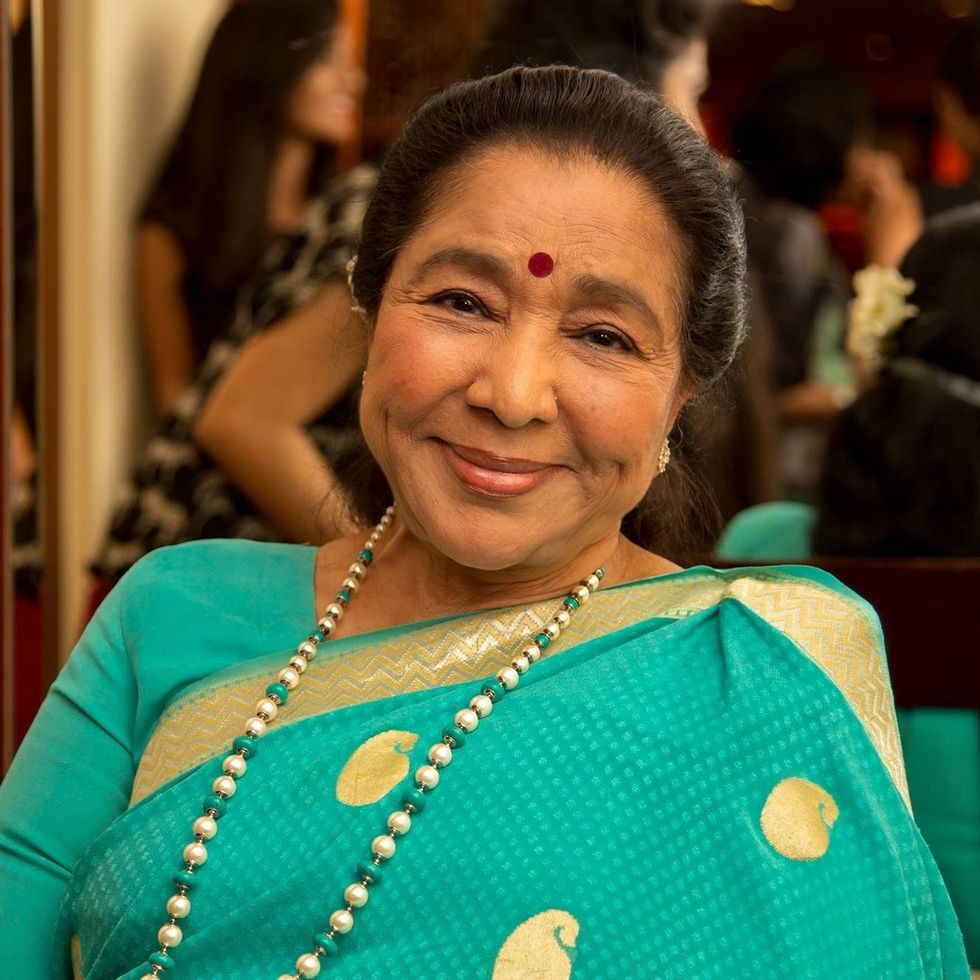 Asha Bhosle
Many international stars have also been paid hefty sums to perform at lavish weddings hosted by Indian tycoons, including Jennifer Lopez at Sanjay Hinduja’s wedding in 2015 and Beyoncé at Isha Ambani’s prewedding celebrations in 2018.
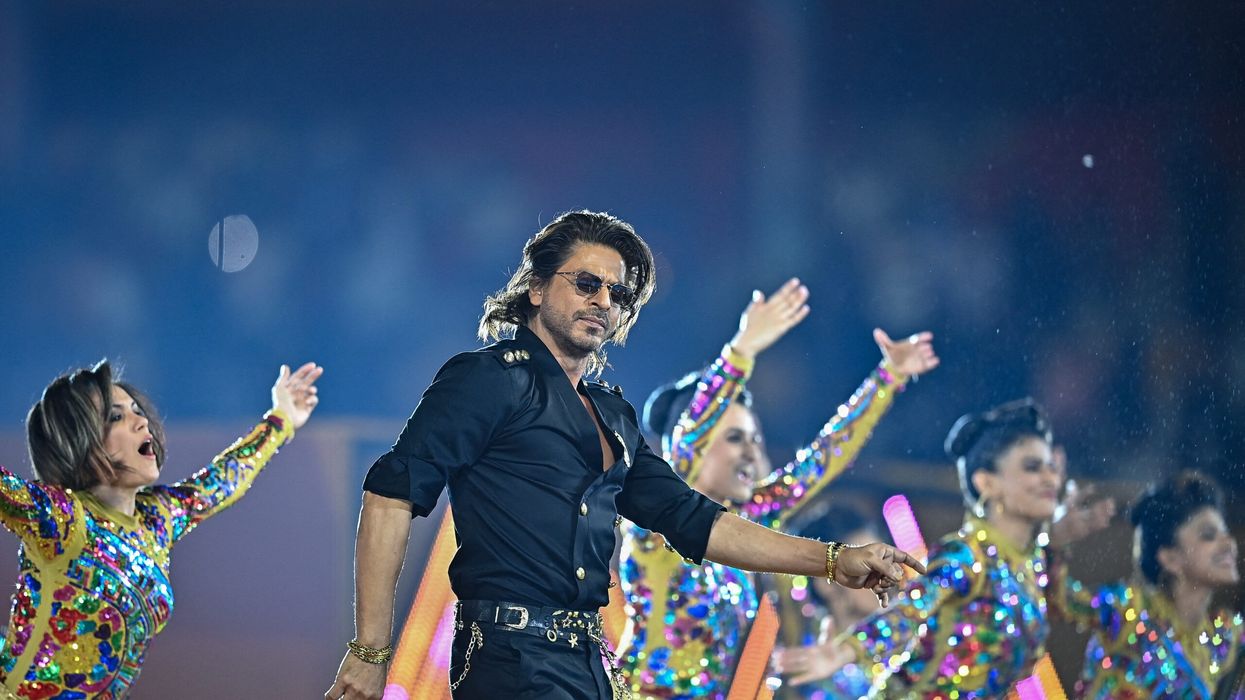
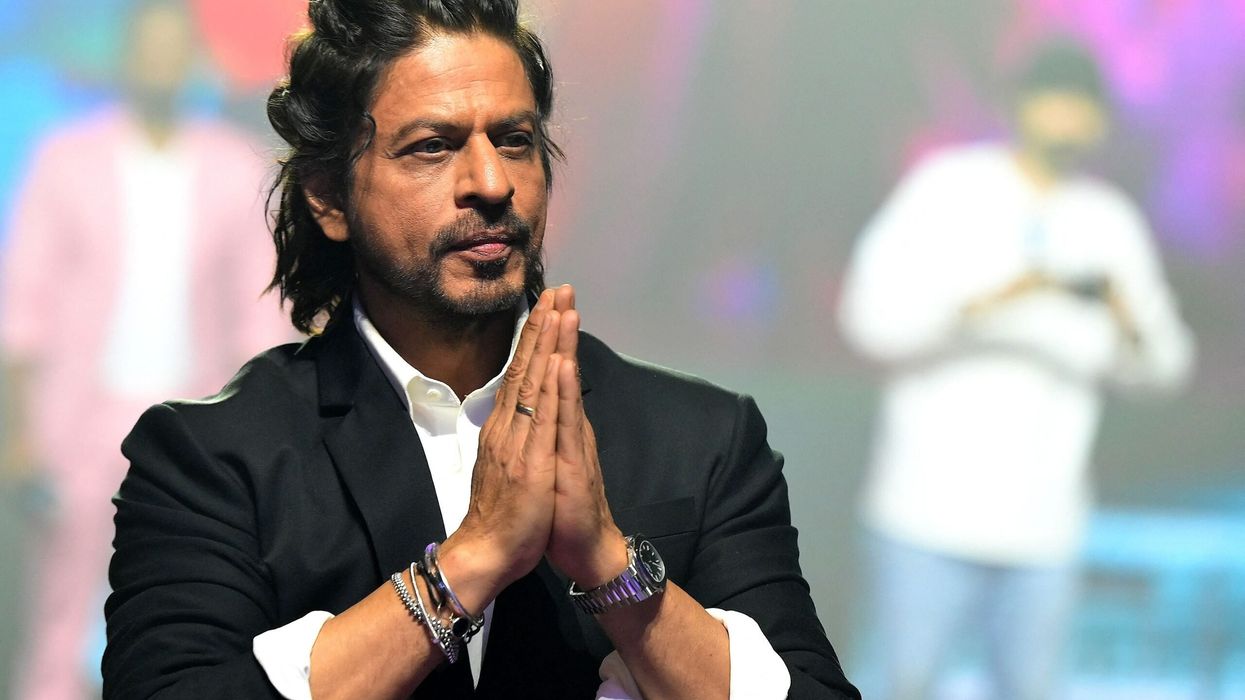
While most Indian film stars and singers, including Shah Rukh Khan, accept big cash gifts to perform at weddings, there are others like the Bachchan family who will never take to the stage at similar functions. That is because there has always been a social stigma associated with those who perform for money at weddings, connected to ancient customs, where lower rungs of society did such performances for centuries.
But today, for most Indian celebrities, weddings are big business. Many movie stars accept money to attend weddings as guests, including high-profile ones that have taken place in London.
The number of celebrities refusing money to be part of wedding celebrations has dwindled significantly in recent years, and most will cash in at every given opportunity.
Performing at weddings arguably played a huge part in the collapse of the thriving British Asian music industry in the UK.
During the 1980s and 1990s, the UK had become the global bhangra capital.
However, rather than building on this remarkable success and tapping into the profitable live music scene in India during the 1990s pop industry boom, most British Asian acts chose to play it safe. They opted for regular incomes by performing at weddings and gigs in relatively small nightclubs.
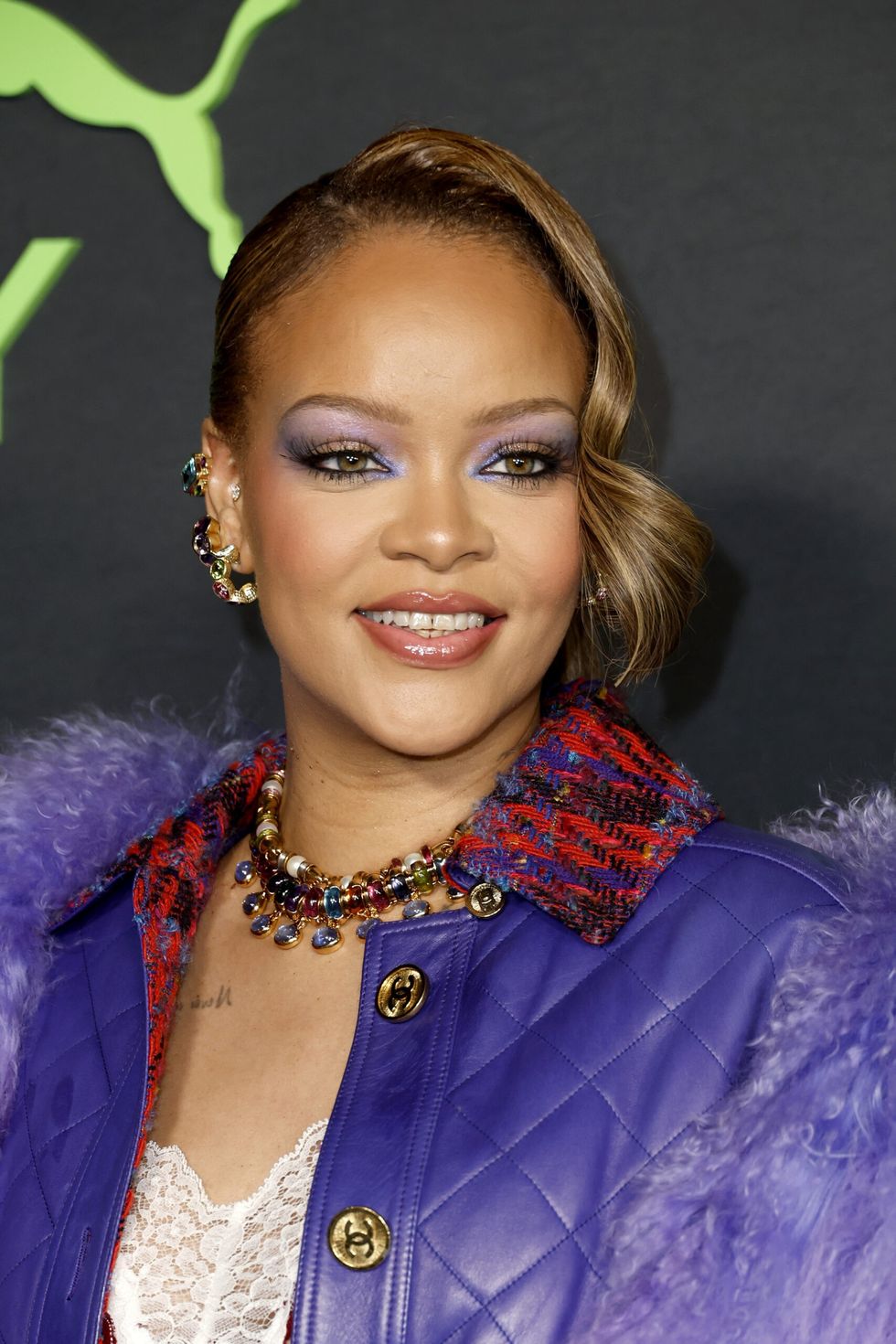 Rihanna
When DJs started getting booked more than live bands at weddings, budgets for bands significantly dropped.
The reduced funding proved insufficient to sustain many singers and large bands, leading to the gradual fading of this once vibrant industry.
Meanwhile, a new generation of Punjabi artists in India, influenced by UK artists, cashed in on the live scene in their country, including much bigger weddings, and became major stars.
By the time British acts stepped out of the UK weddings comfort zone, they had been overtaken. The more established British Asian singers still fly to perform at weddings around the world, but that number is also dwindling, as Indian celebrities dominate that market.
Today, weddings remain a money-making opportunity for celebrities, whether they are for regular folks or extravagant affairs hosted by billionaires.
However, some celebrities still decline such invitations.

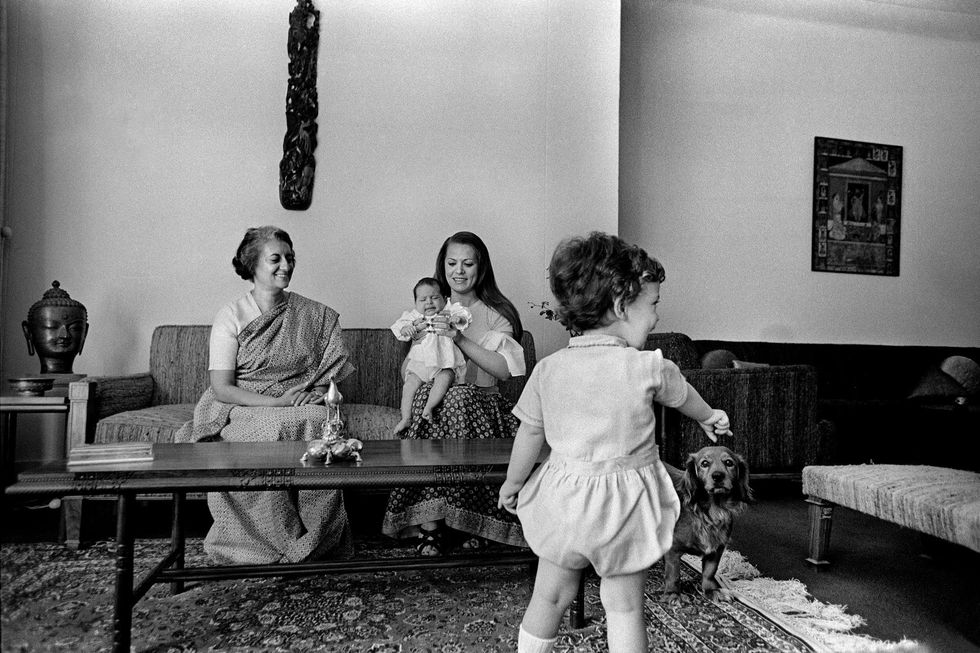 Indira Gandhi with Sonia and her children, Rahul and PriyankaAgencies
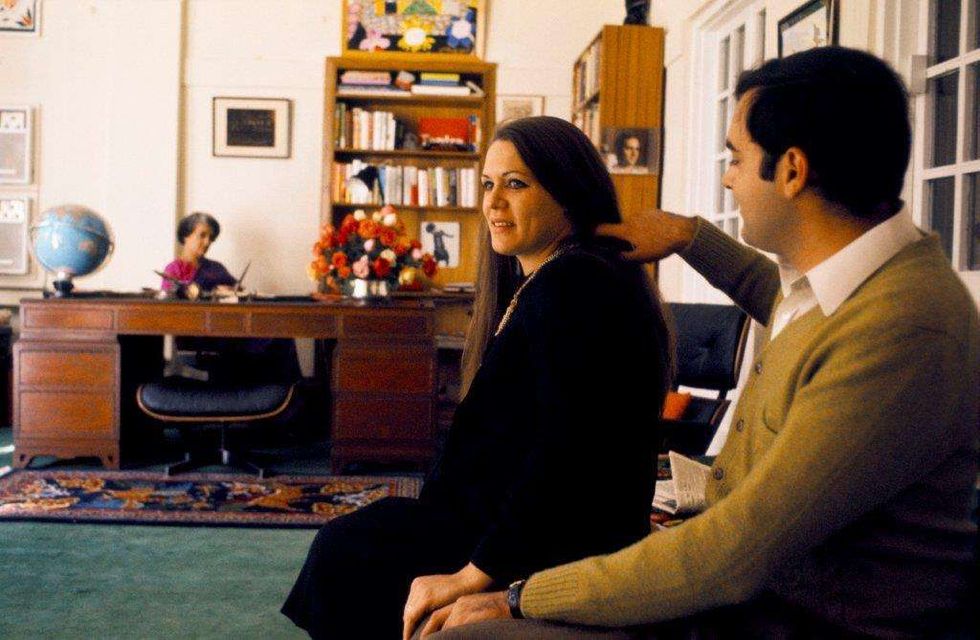 Sonia and Rajiv Gandhi in Indira Gandhi’s officeMarilyn Stafford
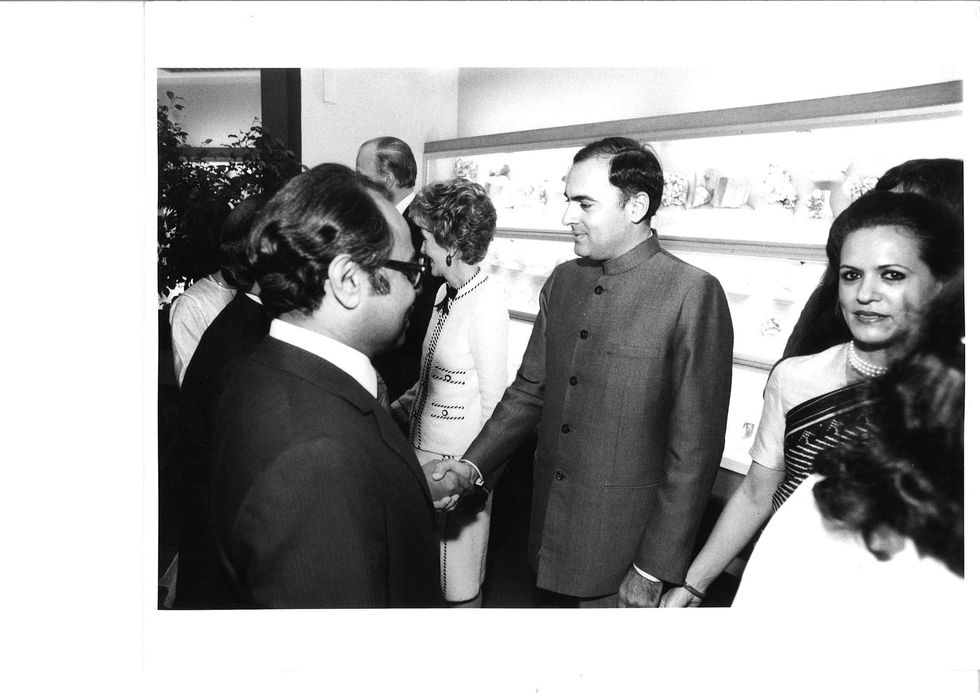 Rajiv and Sonia GandhiAgencies