
THE government has announced £380 million in funding for an electric vehicle battery factory being built by Tata group in Somerset, as construction presses on despite repeated delays, the Guardian reported.
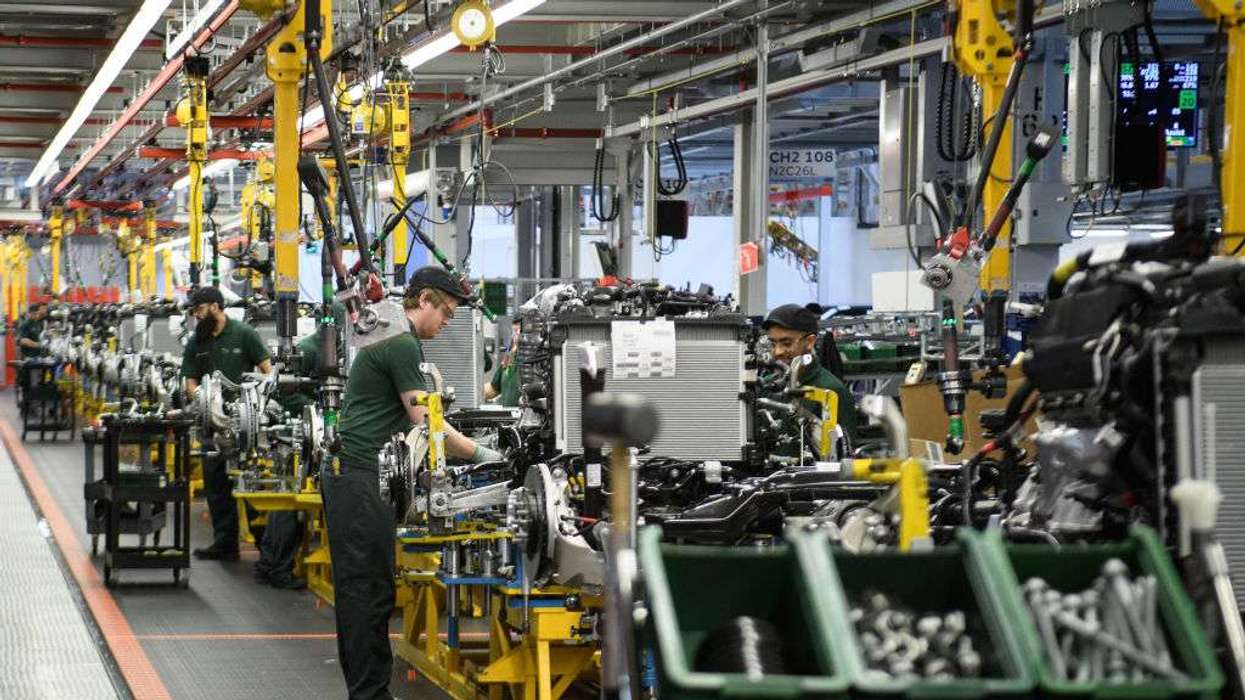
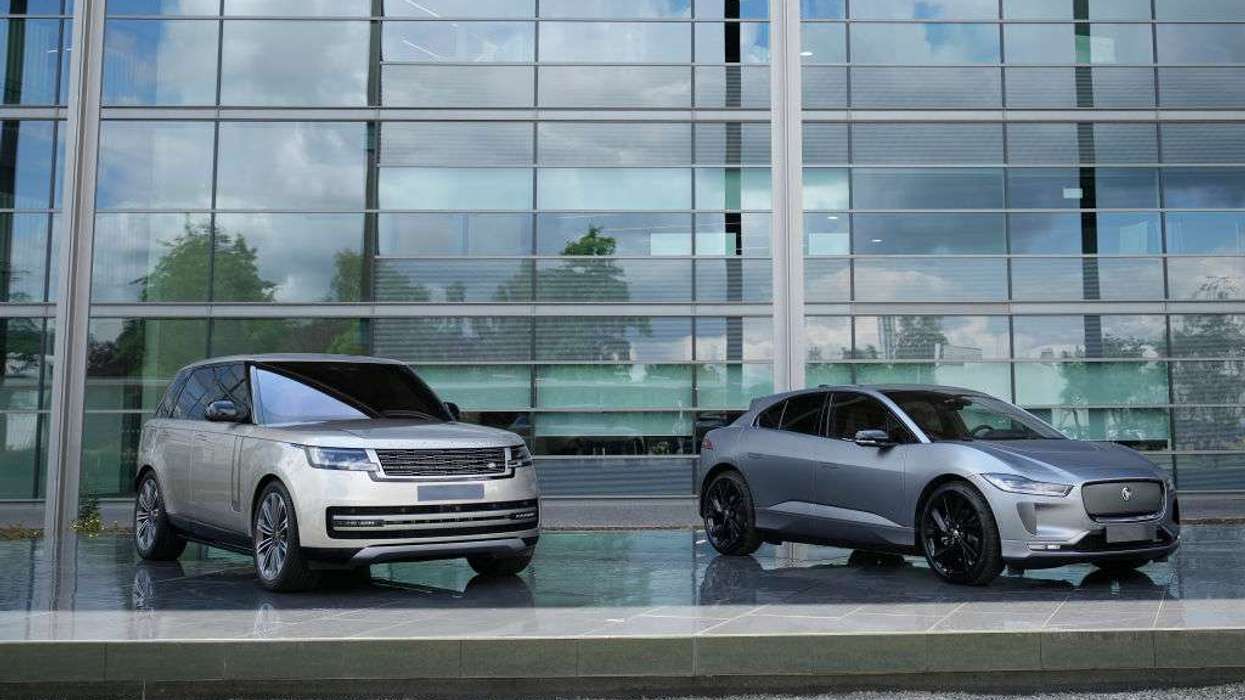
The plant in Bridgwater is being developed by Agratas, a subsidiary of the Indian conglomerate Tata, and is intended to supply batteries for electric versions of the Range Rover and Jaguar. JLR, owned by Tata , is Britain's biggest automotive employer.
Business secretary Peter Kyle made the announcement during a visit to the site on Thursday (9). The government said the factory will eventually create 4,200 permanent jobs.
Tata originally said in 2023 that the whole project could cost up to £4 billion, though how much of that would come from the public purse was not previously revealed. Progress has been slower than hoped.
The factory had been due to start making batteries in 2026, but that now looks unlikely. JLR pushed back the launch of its electric Range Rover last year, and the car has still not gone on sale despite finished prototypes having existed for months.
Currently, the Bridgwater site is aiming to begin battery production by the end of 2027. It will be only the second large-scale battery factory in the UK, alongside a plant in Sunderland run by Chinese-owned manufacturer AESC.
Once fully up and running, the Somerset factory will be capable of producing batteries with 40 gigawatt hours of capacity each year — enough to power hundreds of thousands of cars.
Agratas has reduced the size of the first building on the site, though the company said this is down to more efficient processes rather than any cut in planned output.
Until the Agratas factory is ready, JLR will buy batteries from the Sunderland plant.
Kyle said the investment would "boost economic growth and our resilience, secure jobs and put more money in people's pockets," adding that the government's industrial strategy was giving investors "the stability and confidence they need to plan not just for the next year, but for the next 10 years and beyond."
Earl Wiggins, Agratas's vice president of UK manufacturing, welcomed the funding, saying it would help the company "produce battery cells for our anchor customer, JLR," and that more than 2,200 people would be working on the site within the next year.
Tata has previously received a separate government pledge of £500m to upgrade its Welsh steelworks.According to the report, the government's decision to soften its electric car sales targets reduced some of the pressure to get the vehicle to market quickly.
Meanwhile, manufacturers across the world have scaled back or scrapped plans after consumers proved slower to switch from petrol than expected.
However, rising fuel prices, driven in part by tensions following US president Donald Trump's military action in Iran, could make electric cars more appealing and give carmakers fresh reason to press ahead with their investments.