
- Raises incomes for low-paid workers
- May reduce job opportunities, especially for youth
- Can increase costs for businesses and consumers
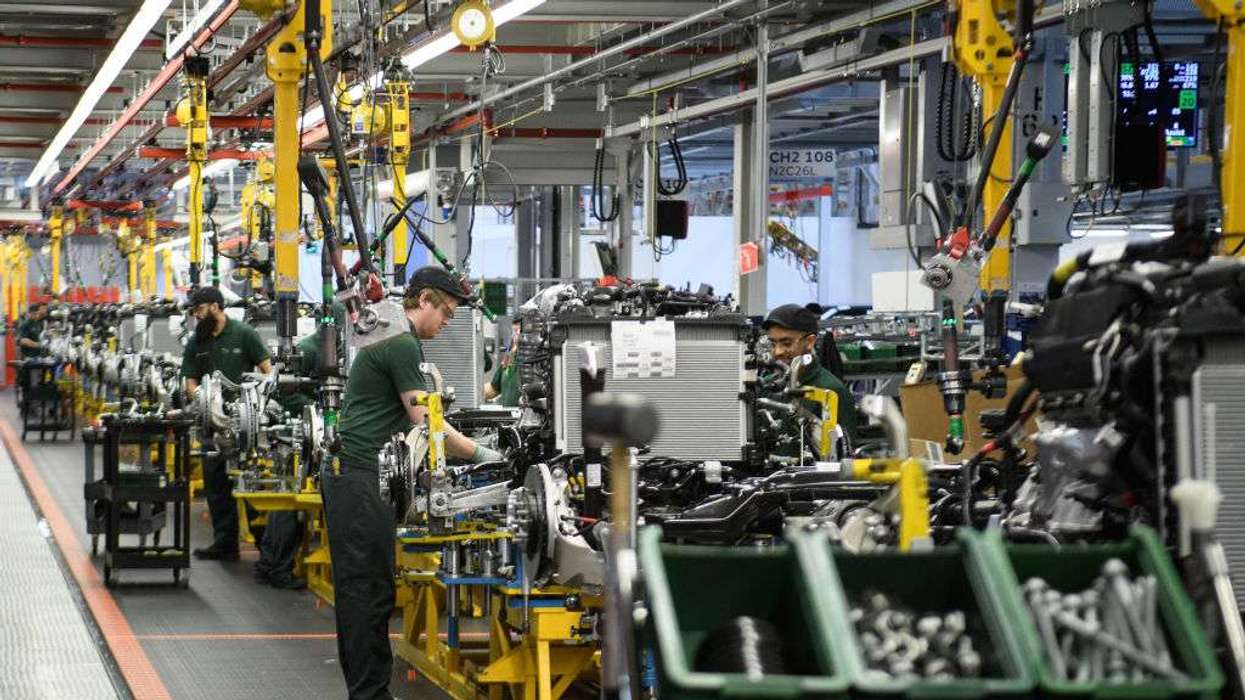
Britain’s latest minimum wage increase, which came into effect this week, is already being felt across pay packets, shop floors, and hiring decisions. More than 2.7 million workers are set to benefit, with the hourly rate for those aged 21 and over rising to £12.71. Younger workers and apprentices have also received notable increases.
For many, the change offers immediate relief. “Especially with the cost of living being really bad, people need more money so they can actually afford the basics,” 25-year-old Ifunanya Ezechukwu told BBC News. Her sentiment captures the core political and economic argument behind minimum wage policy: that higher pay improves living standards for the lowest earners.
But as Britain pushes wages higher than ever before, a more complex question is emerging beneath the surface—does a higher minimum wage truly help workers in the long run, or does it create new economic pressures that offset its benefits?
A pay rise that delivers—at first
The Low Pay Commission, which recommended the latest increase, has repeatedly found that wage hikes have significantly boosted earnings for low-paid workers without causing immediate job losses. Around 6–7% of UK workers are directly affected by minimum wage policies, meaning the gains are concentrated among those who need them most.
This pattern is not unique to the UK. In the United States, analysis by the Economic Policy Institute estimates that raising the federal minimum wage to $15 would increase pay for over 30 million workers, adding more than $100 billion in wages to the economy. Similarly, UK-based research from the National Institute of Economic and Social Research shows that low-income households tend to increase spending immediately after wage rises, improving financial stability and boosting local economies.
For workers like Alex McCarthy, an 18-year-old student working part-time in a pub, the impact is tangible. He told BBC News he felt “very, very happy” about the pay rise, even as he acknowledged that many students still struggle to cover basic expenses.
These short-term gains form the strongest case for higher minimum wages: they put money directly into the hands of low-income workers, who are more likely to spend it, thereby stimulating economic activity.
The pressure builds
Yet the story does not end with higher pay. As wages rise, so too do the costs of hiring—and that is where tensions begin to emerge.
“Young workers are the most exposed,” say economists, and the UK data supports this. Youth unemployment has risen to around 16%, according to reporting by Reuters, even as overall employment has remained relatively stable. Around one in five workers aged 18–20 are paid at or near the minimum wage, making them particularly sensitive to policy changes.
For jobseekers like Amelia Evans, the impact feels immediate. “So far this year I think I’ve done maybe 20 applications, and haven’t got any. I feel like it’s going to impact me even more now,” she told BBC News.
Economic research helps explain why. Analysis from the Institute for Fiscal Studies shows that the real cost of employing minimum wage workers has risen significantly in recent years. When wages increase faster than productivity—particularly for younger or less experienced workers—employers often respond by reducing hiring, cutting hours, or raising expectations for entry-level roles.
This is not just a UK phenomenon. In the US, studies from the National Bureau of Economic Research have found that higher minimum wages can lead to reduced employment in low-skill sectors, particularly among younger workers, as businesses adopt automation or streamline operations.
For employers, the challenge is balancing fair pay with financial sustainability. Spencer Bowman, managing director of the coffee chain Mettricks, described the pressure facing businesses. “There’s nothing that I’d want more than to ensure that my team can earn a really fair amount of money,” he told BBC News. “But if something doesn’t give somewhere, we will be closing sites.”
His concern reflects a broader trend. Surveys from the British Chambers of Commerce and the Federation of Small Businesses show that companies are responding to rising wage bills by increasing prices, reducing hiring plans, and in some cases scaling back operations.
A report by the Resolution Foundation describes the current environment as one of “maximum pressure,” with wage increases coinciding with higher taxes, energy costs, and broader economic uncertainty.
This raises another critical question: if businesses pass on higher costs to consumers, do wage gains actually translate into improved purchasing power?
Evidence suggests the effect is real, but limited. Research cited by the Congressional Budget Office and the Centre for Economic Policy Research indicates that wage increases can lead to modest price rises, particularly in labour-intensive sectors such as hospitality and retail. In the UK, where minimum wage workers account for a relatively small share of total wage costs across the economy, the overall inflationary impact is contained—but sector-specific effects are more visible.
How far can it go?
If the short-term benefits of minimum wage increases are widely accepted, the long-term effects remain far more contested.
Research from the International Monetary Fund suggests that minimum wage hikes tend to have little to no negative impact on employment in the first year, but effects can become more negative over time as businesses adjust. Similarly, cross-country analysis by the OECD finds that moderate increases are generally safe, but risks rise when minimum wages approach a high share of median earnings.
Britain may now be approaching that threshold. The minimum wage has risen sharply over the past five years, increasing by around 50% since 2020. While this has significantly improved pay for low-income workers, it has also intensified pressure on employers and raised questions about sustainability.
This is reflected in policy debates. The UK government has committed to reducing age-based pay differences, but ministers are now reportedly considering slowing the pace of change amid concerns about youth employment.
For business leaders like Lord Richard Harrington, chairman of Make UK, the issue is not whether workers deserve higher pay, but how to implement it sustainably. “Businesses want to take on young people… but it’s a lot of money for an 18-year-old who probably isn’t fully trained,” he told BBC Radio 4.
Meanwhile, Prime Minister Keir Starmer has defended the policy as essential to improving living standards, saying the government is committed to ensuring that low-paid workers can build better futures, as reported by BBC News.
The verdict
So, does a higher minimum wage actually help workers?
The answer, increasingly, is yes—but not without consequences.
In Britain, the policy is delivering real benefits to millions of workers at a time when they are most needed. But it is also reshaping the labour market in ways that may limit opportunities for others, particularly younger jobseekers.
As the UK continues to push wages higher, the challenge will not be whether to raise them—but how far, how fast, and at what cost.
Because in the end, a higher wage does not exist in isolation. It is part of a wider economic system—one where gains in one area can create pressures in another, and where the true impact is only visible over time.